Workouts for Obese Beginners
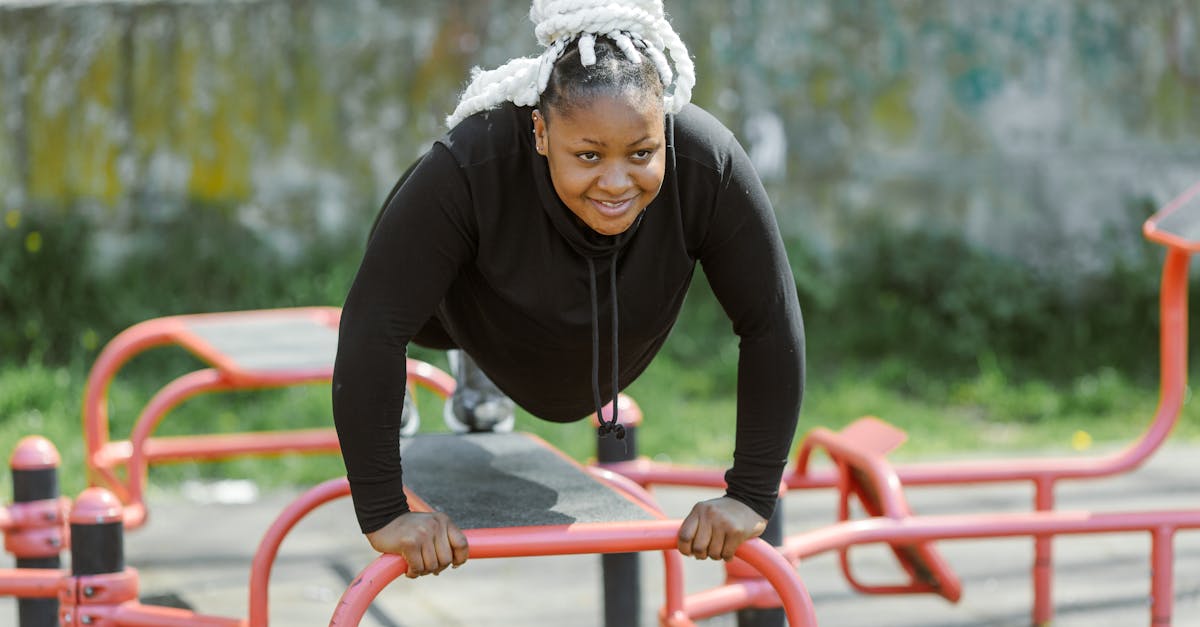
Starting to exercise when you're significantly overweight takes courage—and it requires the right approach. Standard workout programs often include exercises that put excessive stress on joints or assume a level of mobility that takes time to develop. This program is designed specifically for obese beginners, with low-impact exercises that build strength safely while protecting your joints. The goal is to get you moving consistently so you can progressively increase intensity as you get stronger.
Understanding Your Starting Point
Carrying extra weight doesn't mean you can't exercise effectively—it means you need to be strategic about exercise selection. High-impact movements like jumping or running can stress joints that are already bearing significant load. This program focuses on low-impact exercises that build strength without the pounding.
Strength training is particularly important when you're overweight. Building muscle increases your resting metabolism, meaning you burn more calories even at rest. It also strengthens the muscles that support your joints, reducing pain and improving mobility over time.
Progress will come faster than you might expect. When you're starting from a less active baseline, your body responds quickly to any training stimulus. Focus on consistency over intensity—showing up regularly matters more than pushing to exhaustion.
Benefits of Starting Now
Improved Mobility
Strength training builds the muscles that make daily movement easier and less painful.
Boosted Metabolism
Building muscle increases your calorie burn at rest, supporting sustainable weight loss.
Joint Protection
Stronger muscles support and protect joints, reducing the stress on knees, hips, and back.
Better Energy
Regular exercise improves energy levels and sleep quality, often within the first few weeks.
Mental Health
Exercise reduces anxiety and depression while building confidence and self-efficacy.
Health Markers
Even modest increases in activity improve blood pressure, blood sugar, and cholesterol.
Program Overview
Who it's for: Obese individuals new to exercise or returning after a long break
Want a program built for you?
Osteo Strength creates a personalized program based on your equipment, limitations, and bone health goals.
Create Your Program30 secWhy These Exercises?
Each exercise in this program was selected for a specific reason. Here's why:
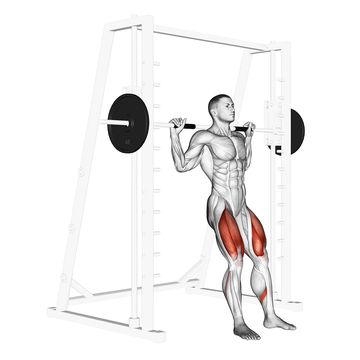
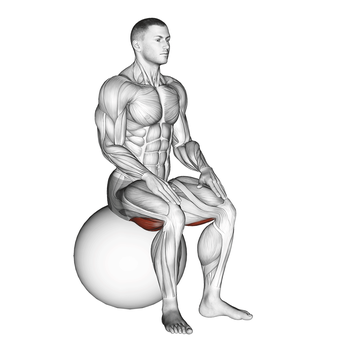
Smith Chair Squat
Builds leg strength for sitting and standing while the chair provides safety and support.
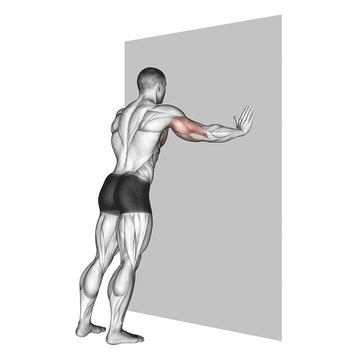
Push-up (wall)
Upper body strength without floor work. Easy to modify intensity by adjusting distance from wall.
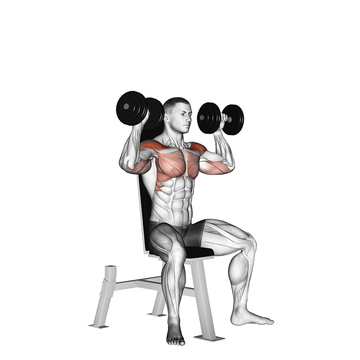
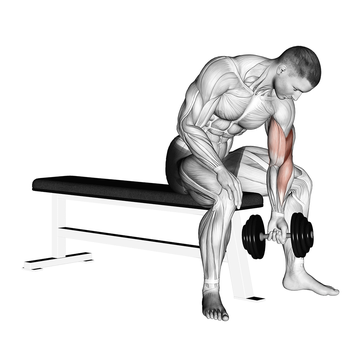
Dumbbell Seated Shoulder Press
Shoulder strength while seated eliminates balance demands and reduces load on lower body.
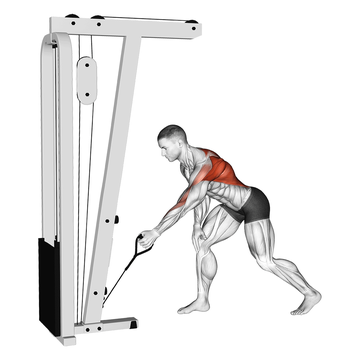
Cable One Arm Bent Over Row
Back strength for posture, with the support of a bench for stability.
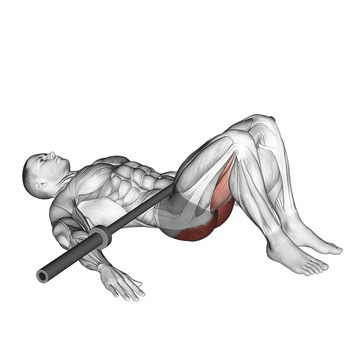
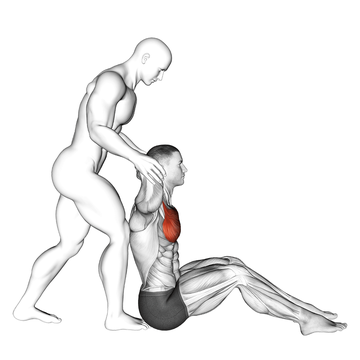
Barbell Glute Bridge
Strengthens glutes and core without impact. Floor position reduces joint stress.
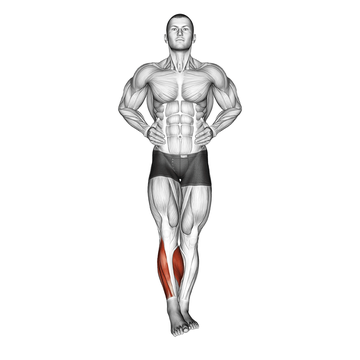
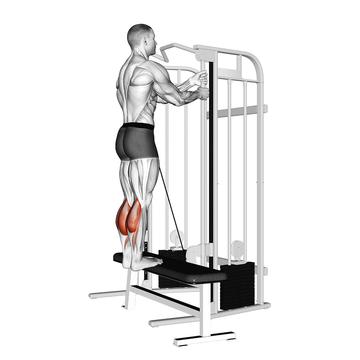
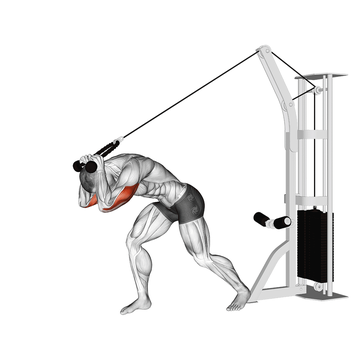
Cable Standing Calf Raise
Builds lower leg strength for walking with optional chair support for balance.
The Complete 3 days with rest days between Program
Follow this program consistently for best results. Start with weights that feel manageable and aim to increase gradually each week as you get stronger.
Want a program built for you?
Osteo Strength creates a personalized program based on your equipment, limitations, and bone health goals.
Create Your Program30 secStarting Smart
- Start slowly. Even 15 minutes is beneficial when you're starting from zero. Build duration over weeks.
- Pain is a signal. Mild muscle fatigue is normal; sharp pain or joint pain means stop and modify.
- Stay hydrated. Drink water before, during, and after exercise.
- Move at your own pace. Ignore what others are doing and focus on your own progress.
- Celebrate wins. Every workout completed is a victory, regardless of duration or intensity.
- Prioritize consistency over intensity. Three easy workouts per week beats one hard workout.
Frequently Asked Questions
Is it safe to exercise when significantly overweight?
Yes, with appropriate exercises. Low-impact strength training is safe and beneficial. Consult your doctor if you have heart conditions or other health concerns, but most overweight individuals can safely begin a program like this one.
Should I focus on cardio for weight loss?
Strength training is actually more effective for long-term weight loss. It builds metabolism-boosting muscle and can be done with less joint stress than cardio. Diet matters most for weight loss; exercise is for health and body composition.
What if I can't get up from the floor?
Many exercises can be done standing or seated. Use a sturdy chair for seated exercises and a wall for support. Avoid floor exercises until your strength improves enough to get up comfortably.
How quickly will I see results?
Improvements in energy and mobility often appear within 2 weeks. Visible weight and body composition changes take longer—typically 4-8 weeks with consistent exercise and dietary changes.
I'm embarrassed to exercise in public. What should I do?
Start at home with this program—no gym required. Most exercises need only a chair, wall, and light dumbbells. As your confidence builds, you can consider gym options if you want.
Get a Free Personalized Program
Every body is different. Osteo Strength will build a strength program tailored to your exact needs: