Exercises to Avoid with Spinal Osteoporosis (And Safe Alternatives)
Not all exercise is created equal when you have spinal osteoporosis. Certain movements — especially those involving forward bending, extreme twisting, or high-impact without progression — can increase your risk of vertebral compression fractures. The good news: for every exercise you need to avoid, there is a safe, effective alternative that still builds strength and protects your bones. This guide separates the dangerous from the beneficial so you can train with confidence.
Why Certain Movements Are Risky for Your Spine
Vertebral compression fractures are the most common type of osteoporotic fracture. They happen when the front of a vertebra collapses under load — and the movements most likely to cause this are those that compress the front of the spine. Spinal flexion (bending forward under load), combined flexion-rotation (bending and twisting simultaneously), and sudden high-impact forces on an unprepared spine are the primary culprits.
This does not mean you should stop exercising. In fact, inactivity accelerates bone loss. The key is choosing exercises that load the spine in neutral or slight extension — positions that distribute force evenly across the vertebral body rather than concentrating it on the vulnerable anterior wall.
The program below replaces every "avoid" movement with a "safe swap" that targets the same muscle groups while keeping your spine in a protected position. You still get a full-body workout — you simply use different movement patterns to get there.
Benefits of Spine-Safe Training
Fracture Prevention
Every exercise in this program avoids the flexion and rotation patterns most associated with vertebral compression fractures.
Builds Bone Safely
Neutral-spine loading still provides the mechanical stimulus bones need to maintain and build density.
Core Stability Without Crunches
Anti-flexion and anti-rotation core exercises build real spinal stability without compressing vertebrae.
Confidence to Train
Knowing which movements are safe eliminates the fear that keeps many people with osteoporosis from exercising at all.
Fall-Prevention Strength
This program builds the leg and hip strength that reduces fall risk — the leading cause of osteoporotic fractures.
Program Overview
Who it's for: Adults with spinal osteoporosis or vertebral fracture history seeking safe, effective strength training
Want a program built for you?
Osteo Strength creates a personalized program based on your equipment, limitations, and bone health goals.
Create Your Program30 secWhy These Exercises?
Each exercise in this program was selected for a specific reason. Here's why:
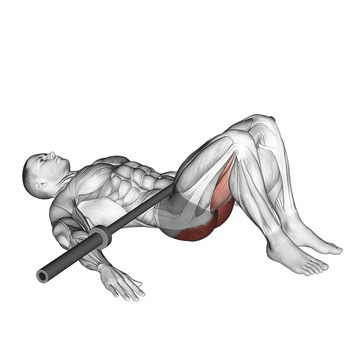
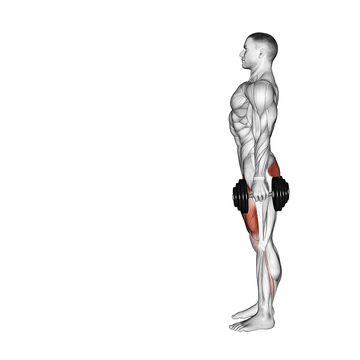
Barbell Glute Bridge
Safe swap for sit-ups — strengthens glutes and core without any spinal flexion.
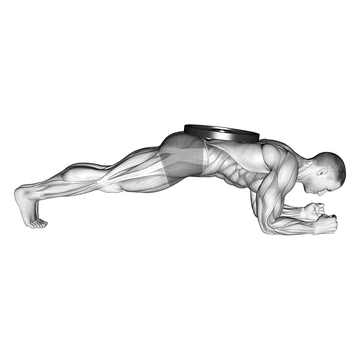
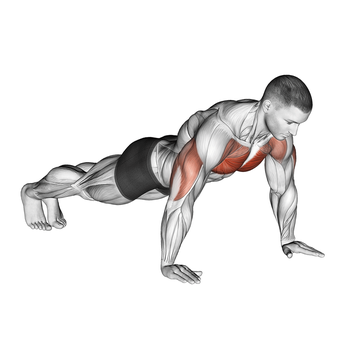
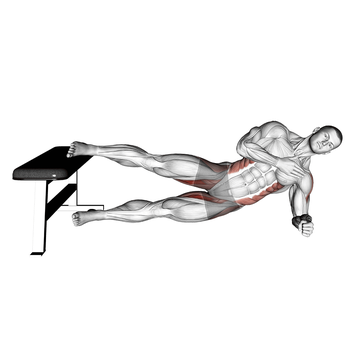
Weighted Front Plank
Safe swap for crunches — trains core stability in a neutral spine position.
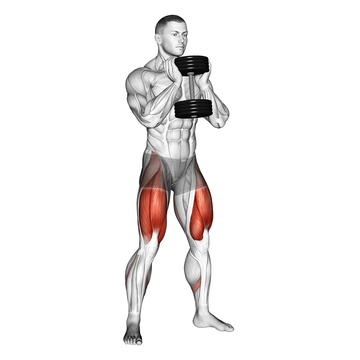
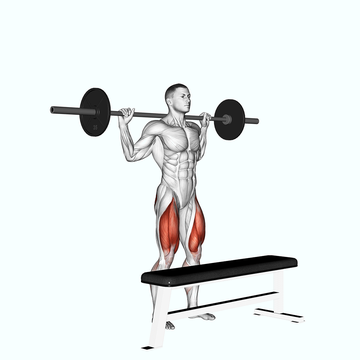
Dumbbell Goblet Squat
Safe swap for leg press — loads the spine vertically while keeping a neutral back position.
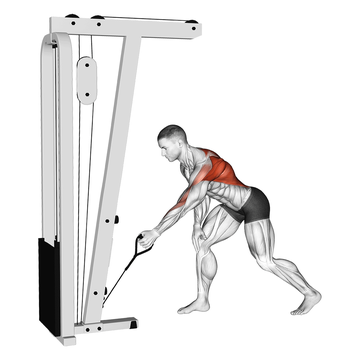
Cable One Arm Bent Over Row
Safe swap for seated cable row — one-arm rowing allows a neutral spine with one hand for support.
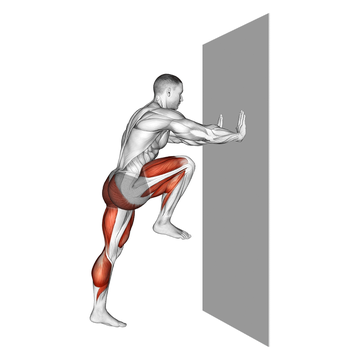
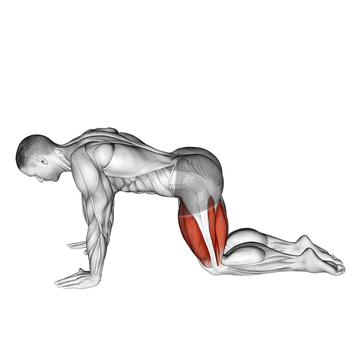
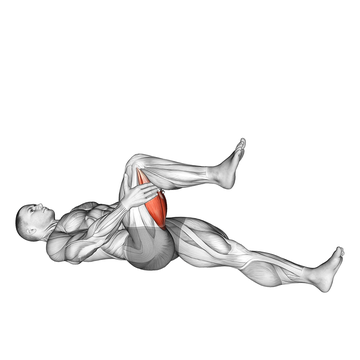
All Fours Squad Stretch
Bird dog pattern trains core stability and back extension without any spinal flexion or rotation.
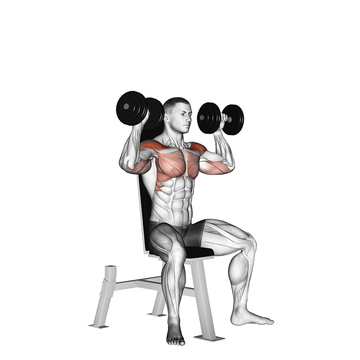
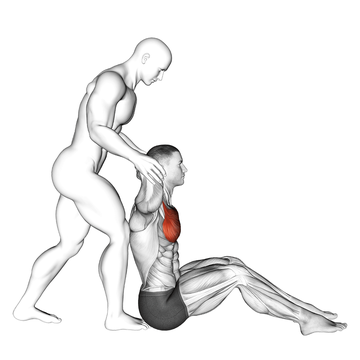
Dumbbell Seated Shoulder Press
Vertical pressing loads the spine in compression (safe direction) and builds shoulder strength.
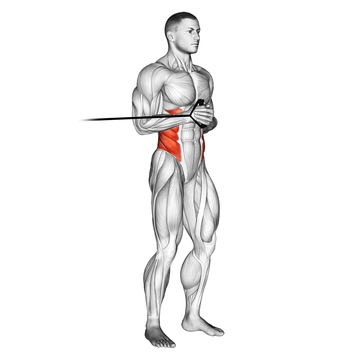
Band Horizontal Pallof Press
Safe swap for Russian twists — trains anti-rotation core strength without any spinal twisting.
The Complete 2-3 days Program
Follow this program consistently for best results. Start with weights that feel manageable and aim to increase gradually each week as you get stronger.
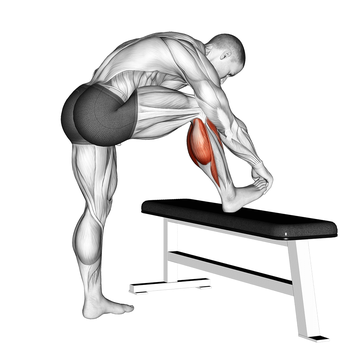
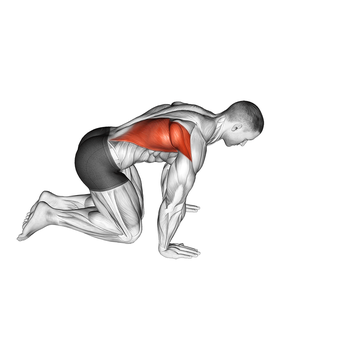
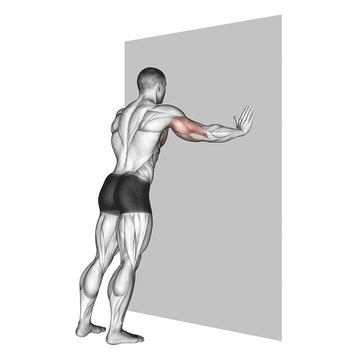
Want a program built for you?
Osteo Strength creates a personalized program based on your equipment, limitations, and bone health goals.
Create Your Program30 secKey Safety Guidelines
- Avoid bending forward under load (no toe touches, sit-ups, crunches, or loaded forward folds).
- Avoid combined bending and twisting (no Russian twists, wood chops, or rotational crunches).
- Keep your spine in neutral for every exercise — imagine a broomstick along your back touching your head, upper back, and tailbone.
- When picking things up from the floor, hinge at your hips — never round your back.
- Start with bodyweight or very light weights and add load gradually over weeks.
- If any exercise causes back pain, stop immediately and consult your physiotherapist.
- Get medical clearance before starting any new exercise program if you have diagnosed spinal osteoporosis.
Frequently Asked Questions
Which exercises should I absolutely avoid with spinal osteoporosis?
Avoid sit-ups, crunches, toe touches, Russian twists, loaded forward bends, full roll-ups in Pilates, and any exercise that combines bending and twisting the spine under load. These movements compress the front of the vertebrae and can cause compression fractures.
Can I still do yoga with spinal osteoporosis?
Some yoga poses are safe, but many common poses involve deep forward folds (uttanasana), loaded spinal twists, and rounded-back positions that are risky. Work with a yoga instructor trained in osteoporosis modifications, and avoid any pose that rounds your upper back under load.
Are planks safe for osteoporosis?
Yes. Planks keep the spine in a neutral position and build core stability without spinal flexion. They are one of the best core exercises for people with spinal osteoporosis. Start from your knees if a full plank is too challenging.
Is walking enough exercise for osteoporosis?
Walking is good for general health but does not provide enough mechanical stimulus to build bone density in the spine. You need resistance training that loads the spine and hips to maintain and build bone. Walking can be part of your routine, but it should not be your only exercise.
How do I strengthen my core without crunches?
Use anti-flexion exercises like planks, anti-rotation exercises like the Pallof press, and hip extension exercises like glute bridges. These build the deep core muscles that actually stabilize your spine, without the dangerous spinal flexion that crunches require.
Get a Free Personalized Program
Every body is different. Osteo Strength will build a strength program tailored to your exact needs: