Trap Workout
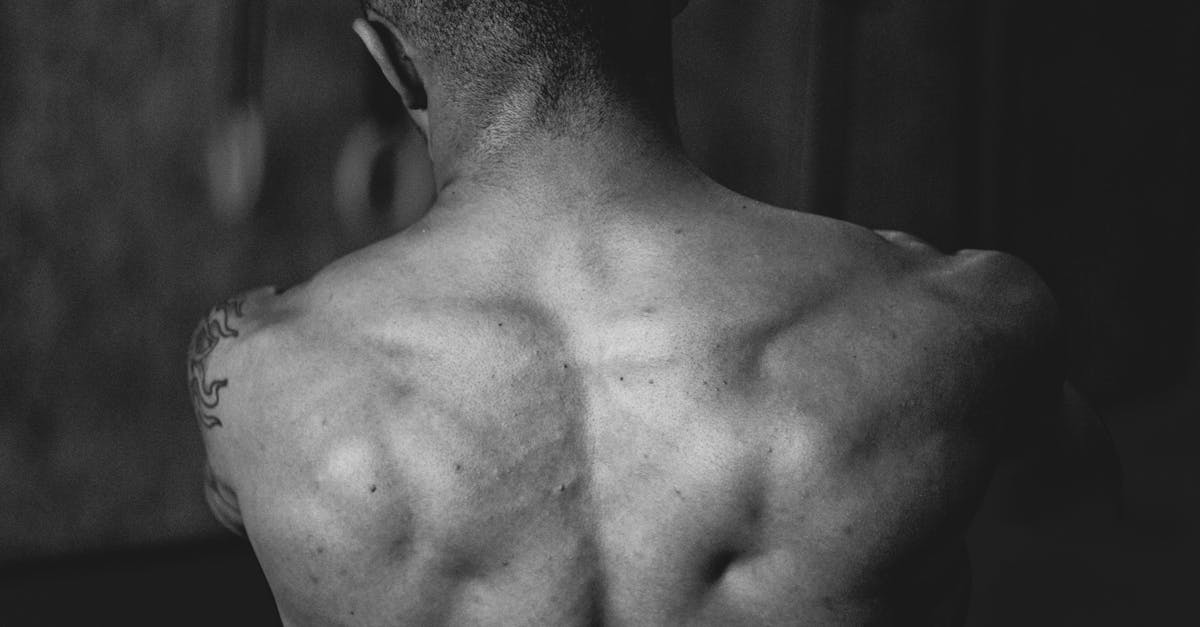
The trapezius is the large kite-shaped muscle running from your neck to your mid-back. Well-developed traps create the powerful, athletic look that signals strength. While traps get indirect work from many exercises, direct training builds the size and power that stands out.
Trap Anatomy and Function
The trapezius has three parts: upper (elevates shoulders), middle (retracts scapula), and lower (depresses scapula). Complete trap development requires training all three.
Upper traps are most visible and respond well to shrugging movements. However, focusing only on shrugs creates imbalance. Middle and lower traps need direct work too.
Traps are involved in shoulder health and posture. Weak middle and lower traps contribute to rounded shoulders and poor posture.
Benefits of Trap Training
Powerful Appearance
Big traps signal strength and athleticism.
Better Posture
Strong middle and lower traps improve posture.
Shoulder Health
Balanced traps support healthy shoulder function.
Neck Protection
Strong traps protect the neck in contact sports.
Improved Lifts
Better support for overhead movements and deadlifts.
Complete Back
Full back development requires trap size.
Program Overview
Who it's for: Anyone wanting to build bigger, stronger traps
Want a program built for you?
Osteo Strength creates a personalized program based on your equipment, limitations, and bone health goals.
Create Your Program30 secWhy These Exercises?
Each exercise in this program was selected for a specific reason. Here's why:
Barbell Shrug
Primary upper trap builder.
Barbell Shrug
Allows heavier loading for upper traps.
Cable Rear Delt Row (with Rope)
Middle and lower trap activation.
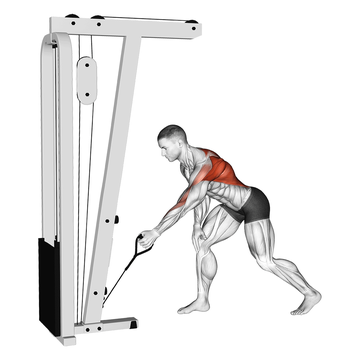
Cable One Arm Bent Over Row
Mid-trap involvement during pulling.
Farmers Walk
Upper trap endurance and size.
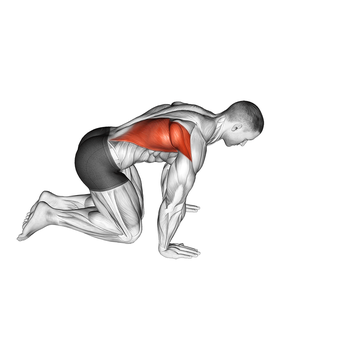
Dumbbell Rear Fly
Lower trap and rear delt development.
The Complete 2-3 days Program
Follow this program consistently for best results. Start with weights that feel manageable and aim to increase gradually each week as you get stronger.
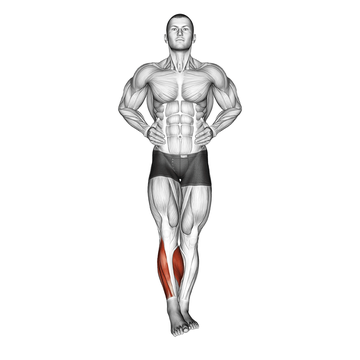
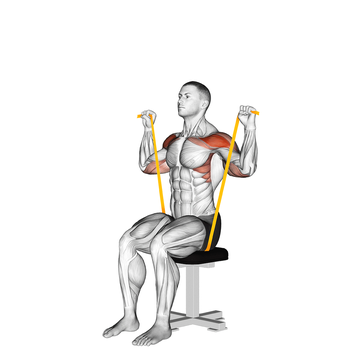
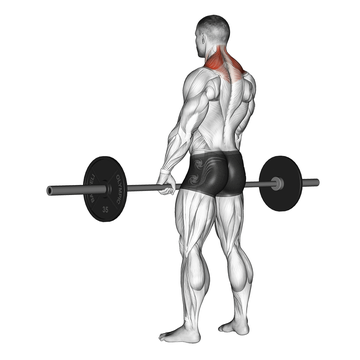
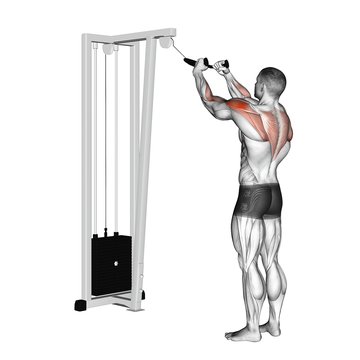
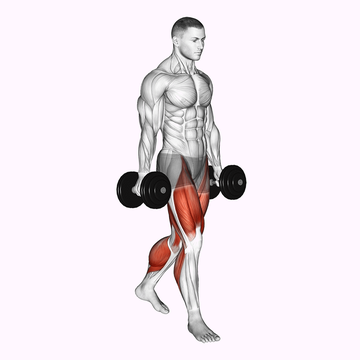
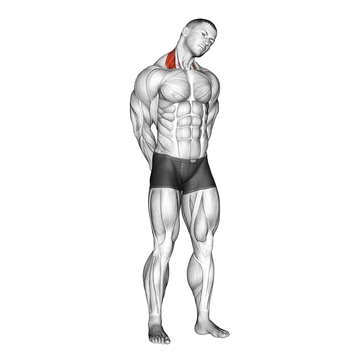
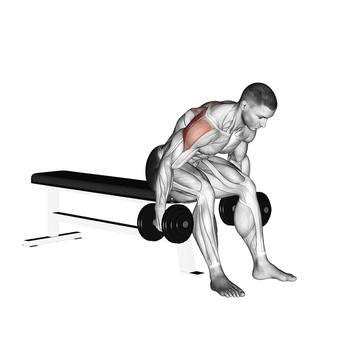
Want a program built for you?
Osteo Strength creates a personalized program based on your equipment, limitations, and bone health goals.
Create Your Program30 secBuilding Big Traps
- Don't just shrug—include exercises for middle and lower traps.
- Full range of motion matters more than heavy weight.
- Hold the contraction at the top of shrugs for 1-2 seconds.
- Face pulls are essential for trap balance and shoulder health.
- Include traps in your back or shoulder days.
- Don't roll your shoulders during shrugs—lift straight up.
Frequently Asked Questions
Should I roll my shoulders during shrugs?
No. Rolling doesn't add benefit and can stress the shoulder joint. Simply lift straight up and down.
Why do my traps ache from computer work?
Weak middle and lower traps plus poor posture. Strengthen all three trap regions and improve your workstation setup.
How heavy should I shrug?
Heavy enough for 10-15 reps with full range of motion and a pause at the top. Don't sacrifice ROM for weight.
Do deadlifts work traps?
Yes, deadlifts work upper traps isometrically. But direct trap training builds more size.
Can I train traps every day?
Upper traps recover quickly and can be trained frequently. 3-4 times per week works well.
Get a Free Personalized Program
Every body is different. Osteo Strength will build a strength program tailored to your exact needs: