Back Workouts for Men

A wide, thick back is the foundation of an impressive physique. While everyone focuses on chest and arms, it's the back that creates the V-taper, makes your waist look smaller, and projects power from any angle. This program combines heavy compound pulling movements with targeted isolation work to build the complete back—width from the lats, thickness from the mid-back, and the traps that create presence.
Building a Complete Back
Your back is a complex of muscles that requires multiple angles of attack. The lats create width and the V-taper. The traps (upper, middle, and lower) build thickness and mass. The rhomboids and rear delts contribute to the 3D appearance that shows from every angle.
Back training splits into two categories: vertical pulls (pulldowns, pull-ups) primarily build width, while horizontal pulls (rows) primarily build thickness. You need both for complete development.
The back can handle significant volume because it's composed of multiple large muscle groups. Most people undertrain their back—if you want an impressive physique, you likely need to train it harder than you currently do.
Benefits of Back Training
V-Taper
Wide lats make your waist look smaller and create the classic male physique.
Total Mass
The back contains huge muscle groups that contribute significantly to overall size.
Pulling Power
Deadlifts, rows, and real-world pulling all require back strength.
Posture
Strong back muscles counter the hunching from modern life.
Injury Prevention
A strong back protects your spine during heavy lifting.
Balance
Match your pulling strength to your pressing for complete development.
Program Overview
Who it's for: Men looking to build a wide, thick, powerful back
Want a program built for you?
Osteo Strength creates a personalized program based on your equipment, limitations, and bone health goals.
Create Your Program30 secWhy These Exercises?
Each exercise in this program was selected for a specific reason. Here's why:
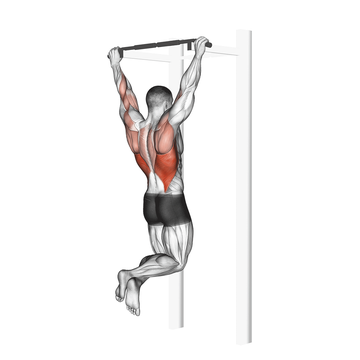
Pull-up
The king of lat exercises. Builds width and functional pulling strength.
Barbell Bent Over Row
Heavy compound for back thickness. Works the entire back hard.
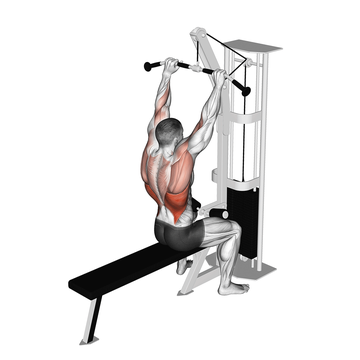
Cable Bar Lateral Pulldown
Lat development with controllable resistance. Complements pull-ups.
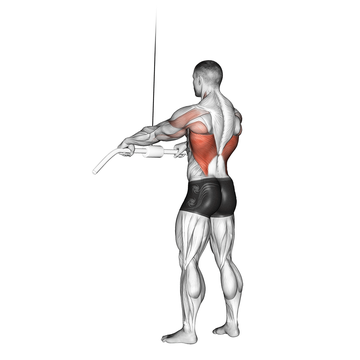
Cable Seated Row
Horizontal pulling for middle back thickness.
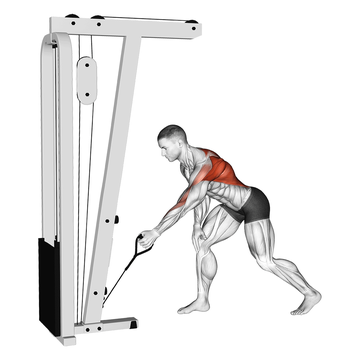
Cable One Arm Bent Over Row
Unilateral work that addresses imbalances and allows full stretch.
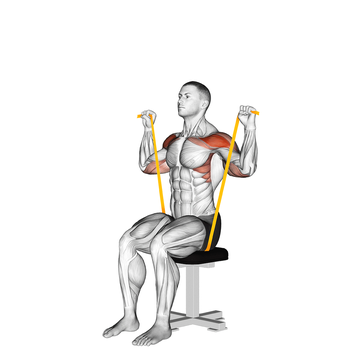
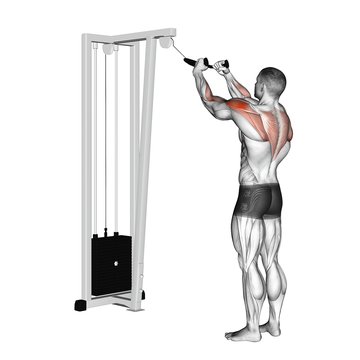
Cable Rear Delt Row (with Rope)
Upper back and rear delts for complete development and shoulder health.
The Complete 2 days (can be part of a PPL or upper/lower split) Program
Follow this program consistently for best results. Start with weights that feel manageable and aim to increase gradually each week as you get stronger.
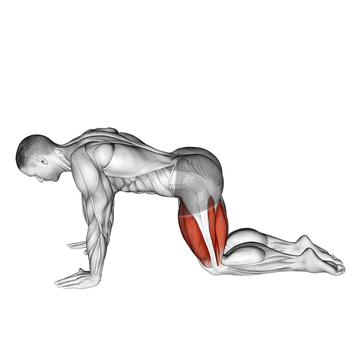
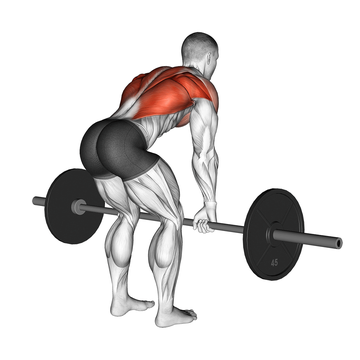
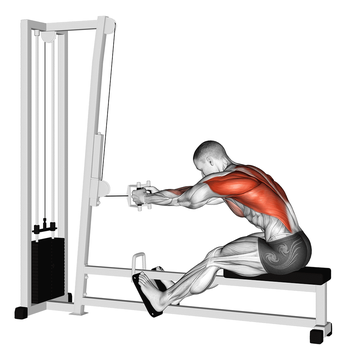
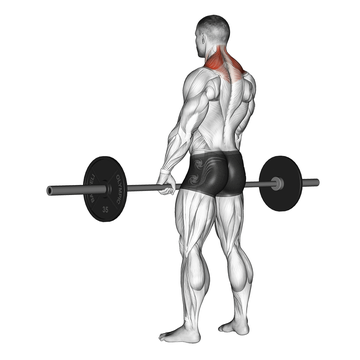
Want a program built for you?
Osteo Strength creates a personalized program based on your equipment, limitations, and bone health goals.
Create Your Program30 secBuilding Your Back
- Pull with your elbows, not your hands. Your hands are just hooks.
- Control the negative (lowering) portion. Time under tension builds muscle.
- Use straps on heavy rows if grip fails before back. Don't let grip limit back training.
- Full range of motion—stretch at the bottom, squeeze at the top.
- Train back at least twice per week for optimal growth.
- Match your rowing volume to your pressing volume for balanced development.
Frequently Asked Questions
How many times per week should I train back?
Twice per week is optimal for most people. The back can handle significant volume and benefits from frequent training.
Pull-ups or lat pulldowns?
Both. Pull-ups are superior for overall strength and muscle activation, but pulldowns allow for higher volume and varied angles. Use both.
How do I build wider lats?
Focus on vertical pulling—pull-ups and pulldowns. Use a grip slightly wider than shoulder width and focus on driving your elbows down and back.
Should I use straps?
Yes, when grip limits back training. Your back is stronger than your grip. Train grip separately if needed, but don't let it limit back development.
How long until I see back development?
Strength improvements come quickly (2-4 weeks). Visible width and thickness typically require 8-12 weeks of progressive training.
Get a Free Personalized Program
Every body is different. Osteo Strength will build a strength program tailored to your exact needs: