Strength Training for Women Over 60

Strength training in your 60s isn't about looking a certain way—it's about maintaining your independence, reducing fall risk, and enjoying an active life for decades to come. Research consistently shows that women who strength train in their 60s and beyond experience less disability, fewer falls, and greater quality of life than those who don't. The best part? It's never too late to start, and you don't need to lift heavy weights to see significant benefits. This program is specifically designed for women over 60, with safe, effective exercises that build real-world strength.
Why Strength Training Is Essential After 60
After 60, muscle loss accelerates significantly—women can lose up to 5% of their muscle mass per decade. This isn't just about strength; it affects balance, metabolism, bone density, and the ability to perform daily activities independently.
Falls are a major concern for women over 60, and they're directly linked to muscle weakness. Strength training improves balance, strengthens the muscles that keep you stable, and increases bone density to reduce fracture risk if falls do occur.
The exercises in this program focus on movements you use every day: standing up from a chair, climbing stairs, reaching overhead, and maintaining balance. By strengthening these movement patterns, you'll find daily activities easier and safer.
Benefits of Strength Training for Women Over 60
Fall Prevention
Stronger leg muscles and better balance significantly reduce your risk of falls—a leading cause of injury in older adults.
Bone Health
Weight-bearing exercise stimulates bone formation, helping combat osteoporosis and reduce fracture risk.
Maintained Independence
Strength for daily tasks—getting up from chairs, carrying groceries, climbing stairs—means you can live independently longer.
Better Joint Health
Strengthening muscles around joints reduces arthritis pain and improves mobility.
Improved Cognitive Function
Research shows strength training supports brain health and may help slow cognitive decline.
Increased Confidence
Feeling strong and capable improves confidence in your physical abilities and overall quality of life.
Program Overview
Who it's for: Women over 60 looking to build strength safely and maintain independence
Want a program built for you?
Osteo Strength creates a personalized program based on your equipment, limitations, and bone health goals.
Create Your Program30 secWhy These Exercises?
Each exercise in this program was selected for a specific reason. Here's why:
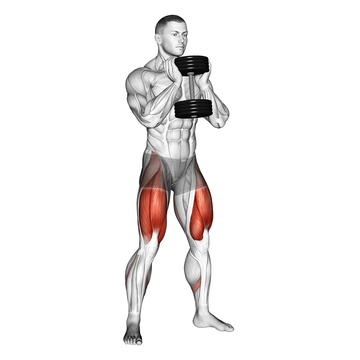
Dumbbell Goblet Squat
Mimics sitting down and standing up—one of the most important movements for daily independence.
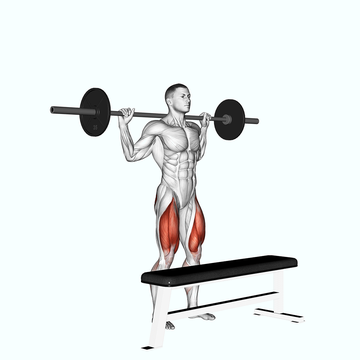
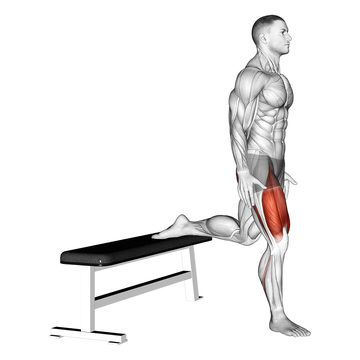
Barbell Step-up
Builds strength for climbing stairs and improves single-leg balance.
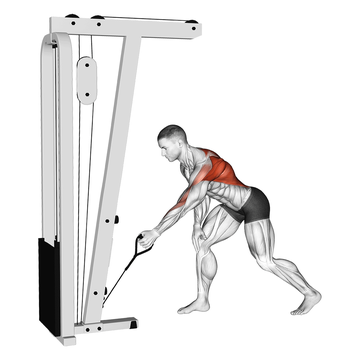
Cable One Arm Bent Over Row
Strengthens upper back muscles important for posture and reaching movements.
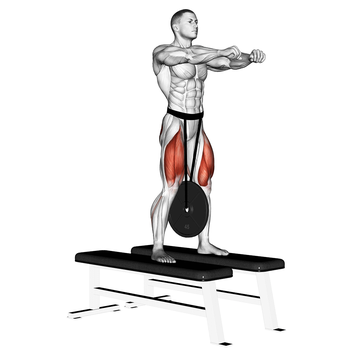
Weighted Squat
Builds leg strength safely with wall support for balance.
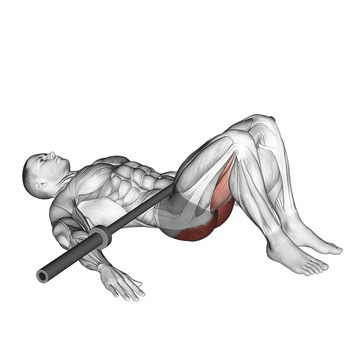
Barbell Glute Bridge
Strengthens glutes and core without impact, improving hip stability.
Farmers Walk
Directly trains the ability to carry items while walking—like groceries.
The Complete 2-3 days with at least one rest day between sessions Program
Follow this program consistently for best results. Start with weights that feel manageable and aim to increase gradually each week as you get stronger.
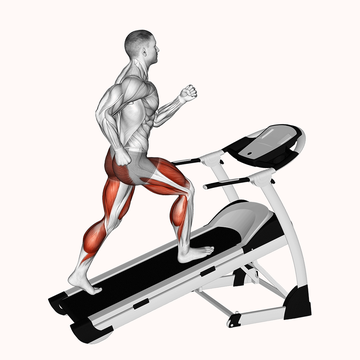
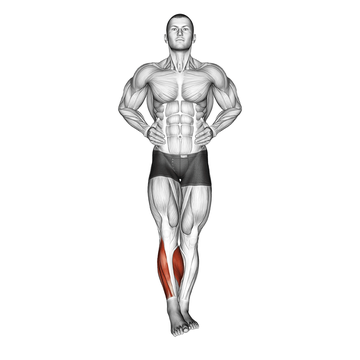
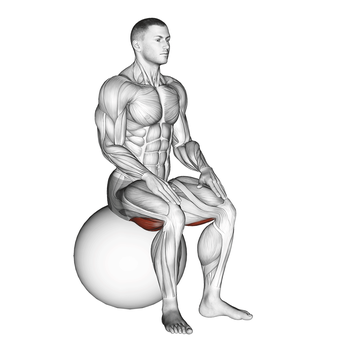
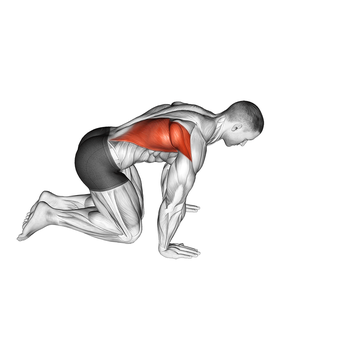
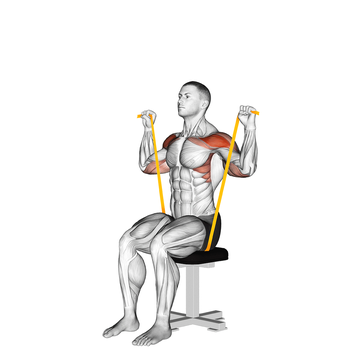
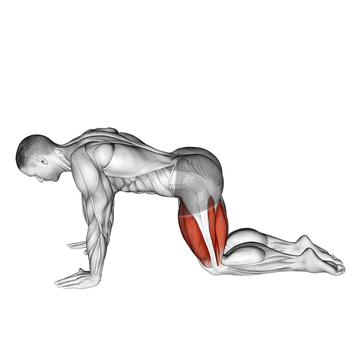
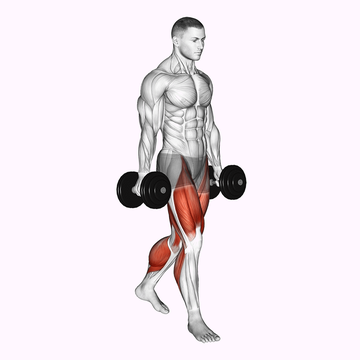
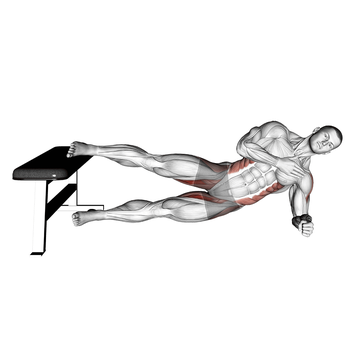
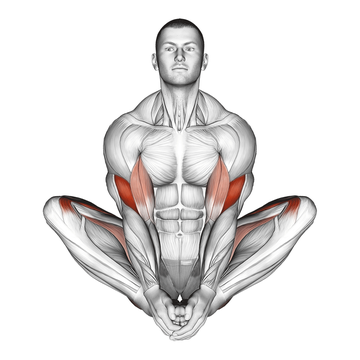
Want a program built for you?
Osteo Strength creates a personalized program based on your equipment, limitations, and bone health goals.
Create Your Program30 secGetting Started Safely
- Get clearance from your doctor before starting, especially if you have heart conditions, severe arthritis, or other health concerns.
- Start with very light weights or just bodyweight. The goal is to learn movements safely before adding resistance.
- Use a chair or wall for balance support on any exercise where you feel unsteady.
- Never hold your breath during exercises—breathe out during the effort portion.
- If something hurts (sharp or joint pain), stop and try a modification or different exercise.
- Stay hydrated and take rest breaks as needed.
- Progress slowly—add small amounts of weight only when exercises feel easy.
Frequently Asked Questions
Is strength training safe at my age?
Yes, when done properly. Major health organizations recommend strength training for adults of all ages. Start conservatively, use proper form, and progress gradually. The risks of NOT strength training (muscle loss, falls, fractures) are greater than the risks of appropriate exercise.
What if I have arthritis?
Strength training often helps reduce arthritis pain by strengthening muscles around affected joints. Start with light resistance, move through comfortable ranges of motion, and avoid exercises that cause sharp pain. Many people with arthritis find significant improvement with consistent training.
How heavy should I lift?
Start with weights you can easily control—often 2-5 lb dumbbells for upper body, 5-10 lbs for lower body, or just bodyweight. Increase only when exercises feel easy and you can maintain perfect form.
Can I start if I've never exercised before?
Yes. Many women start strength training in their 60s, 70s, or even 80s with excellent results. This program is designed to be accessible for beginners while still providing benefits.
How long until I notice improvements?
Many people notice improved balance and energy within 2-3 weeks. Measurable strength gains typically appear after 4-6 weeks. Stick with it—the benefits compound over time.
Get a Free Personalized Program
Every body is different. Osteo Strength will build a strength program tailored to your exact needs: