Strength Training for Women Over 40

Your 40s are a pivotal decade for your long-term health—and strength training is one of the smartest investments you can make. As hormonal changes begin, women in their 40s start experiencing accelerated muscle loss and metabolic slowdown. But here's the good news: strength training can counteract these changes, helping you maintain your metabolism, protect your bones, and feel stronger than you did in your 30s. This program is designed specifically for the unique needs of women in their 40s, balancing effective training with joint-friendly exercises.
Why Your 40s Are Critical for Strength Training
Starting in your 40s, your body begins producing less estrogen, even before menopause officially begins. This perimenopause period brings changes to muscle mass, bone density, and metabolism that accelerate with each passing year without intervention.
Muscle loss (sarcopenia) typically begins around age 30 but accelerates significantly in your 40s, with women losing 3-5% of muscle mass per decade. This directly impacts your metabolism—less muscle means fewer calories burned at rest, which is why many women notice weight gain in their 40s even without changing their eating habits.
The solution isn't more cardio or eating less—it's building and maintaining muscle through strength training. Women who strength train in their 40s enter their 50s and beyond with stronger bones, better balance, and more metabolic flexibility than their sedentary peers.
Benefits of Strength Training After 40
Combat Metabolic Slowdown
Building muscle counteracts the metabolic decline that comes with age, helping you maintain a healthy weight.
Protect Bone Density
Resistance training stimulates bone formation, reducing osteoporosis risk as estrogen levels decline.
Manage Perimenopause Symptoms
Regular exercise helps regulate hormones and can reduce hot flashes, mood swings, and sleep disturbances.
Maintain Independence
Strong muscles now mean you'll be able to live independently and actively for decades to come.
Reduce Injury Risk
Strength training improves balance and joint stability, reducing falls and injury as you age.
Boost Mental Health
Exercise is proven to reduce anxiety and depression, which can increase during hormonal transitions.
Program Overview
Who it's for: Women in their 40s looking to build strength and prepare for the decades ahead
Want a program built for you?
Osteo Strength creates a personalized program based on your equipment, limitations, and bone health goals.
Create Your Program30 secWhy These Exercises?
Each exercise in this program was selected for a specific reason. Here's why:
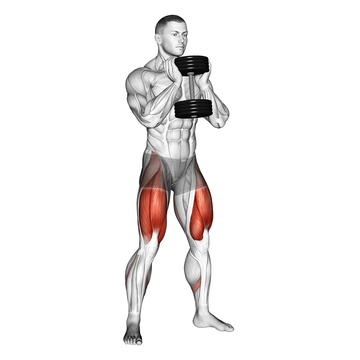
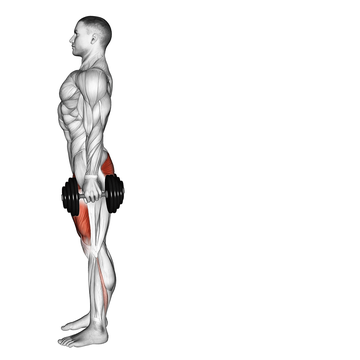
Dumbbell Goblet Squat
Easier on the lower back than barbell squats while still building essential leg and core strength.
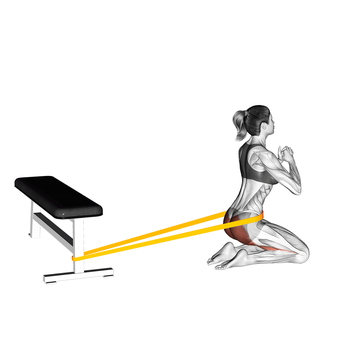
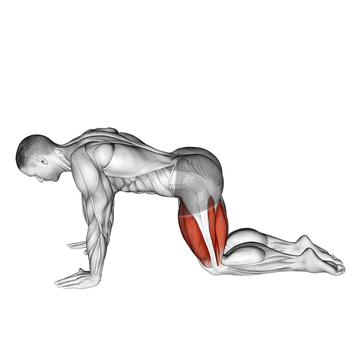
Resistance Band Hip Thrusts On Knees
The most effective exercise for glute development, which supports hip health and overall lower body function.
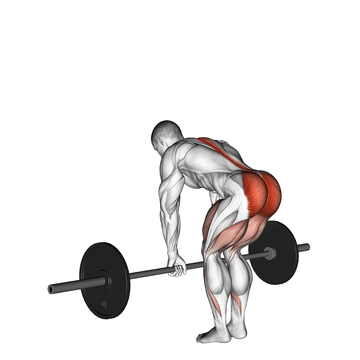
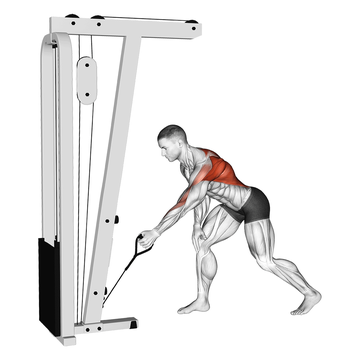
Cable One Arm Bent Over Row
Strengthens the upper back to counteract posture issues that often worsen with age.
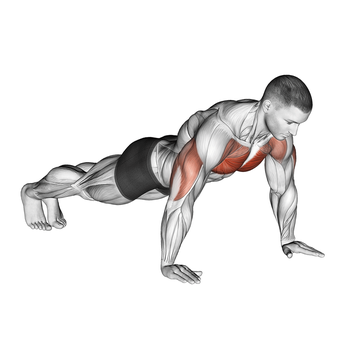
Push-up
A fundamental movement that builds chest, shoulder, and core strength without equipment.
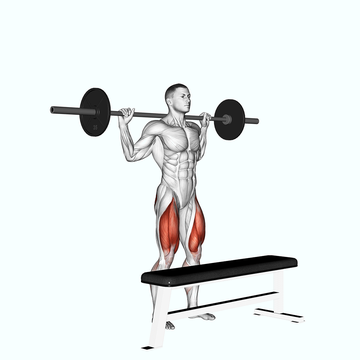
Barbell Step-up
Builds single-leg strength and balance—critical for fall prevention.
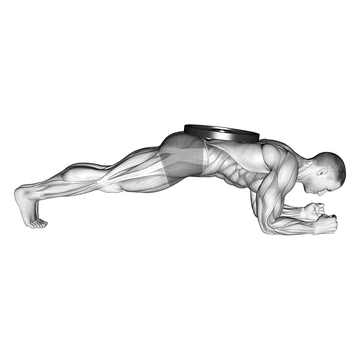
Weighted Front Plank
Core stability protects your back and improves posture in daily activities.
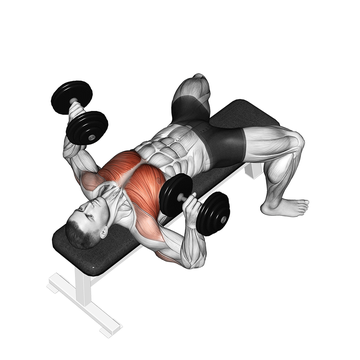
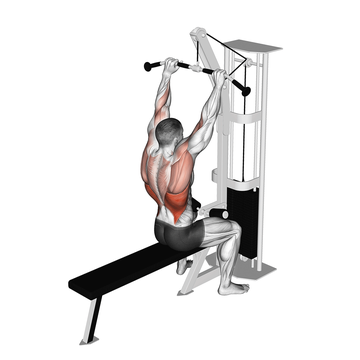
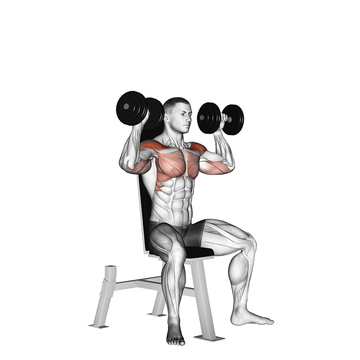
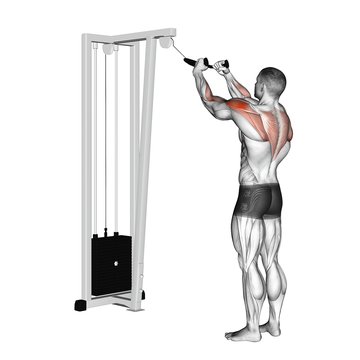
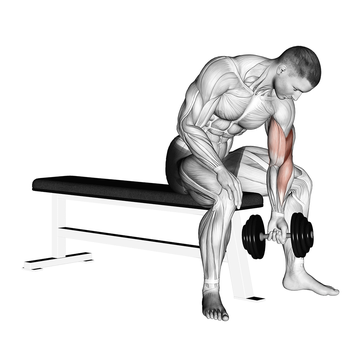
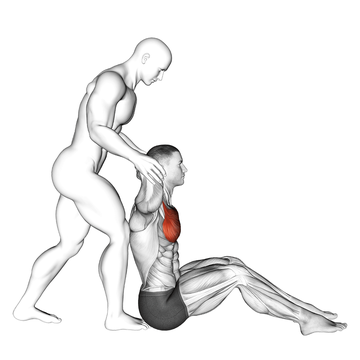
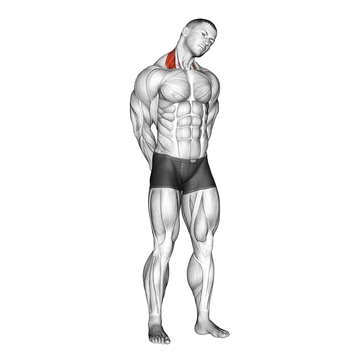
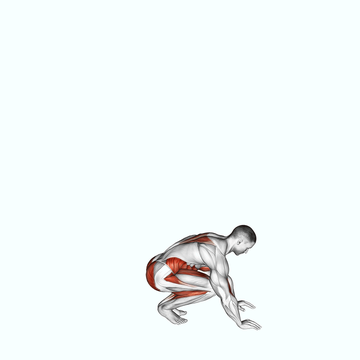
The Complete 3 days Program
Follow this program consistently for best results. Start with weights that feel manageable and aim to increase gradually each week as you get stronger.
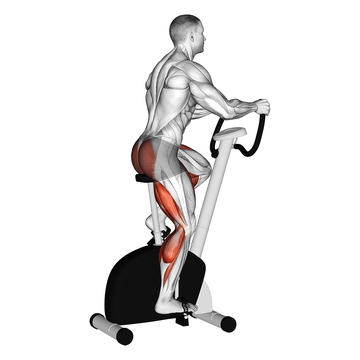
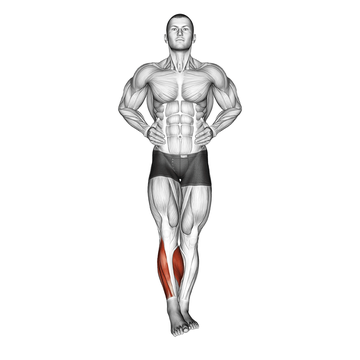
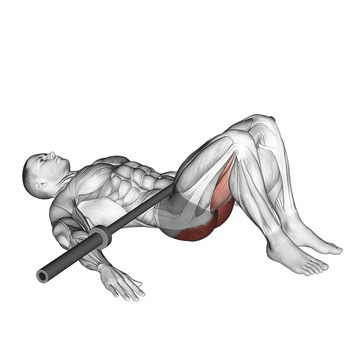
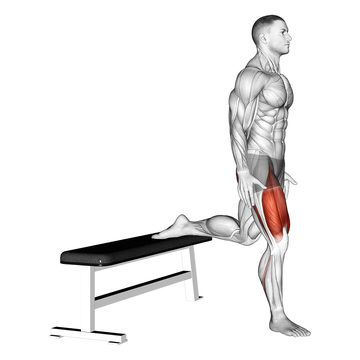
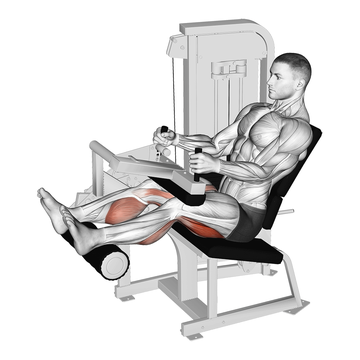
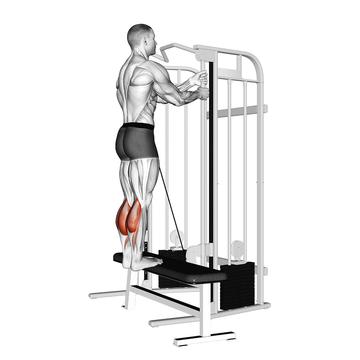
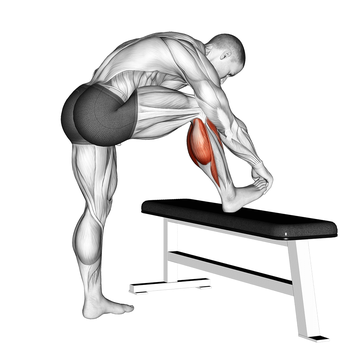
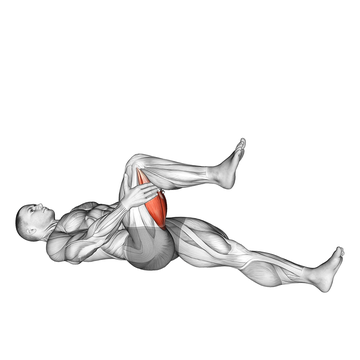
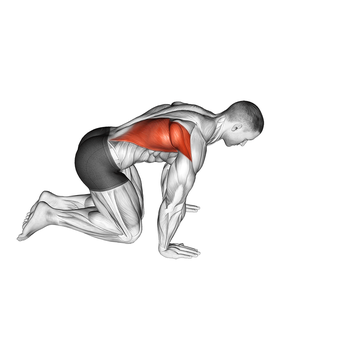
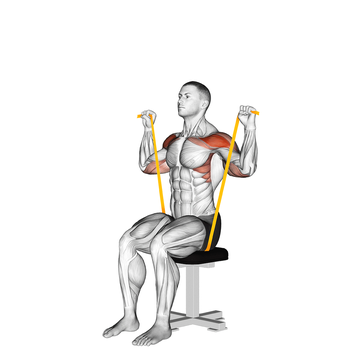
Want a program built for you?
Osteo Strength creates a personalized program based on your equipment, limitations, and bone health goals.
Create Your Program30 secStarting Strength Training in Your 40s
- If you haven't lifted before, start conservatively. Your body can handle more than you think, but joints need time to adapt.
- Prioritize recovery—sleep, nutrition, and rest days become more important as we age.
- Warm up thoroughly before each session. Cold muscles are more injury-prone.
- Listen to your body. Muscle soreness is normal; joint pain is a signal to modify or rest.
- Consider working with a trainer initially to establish proper form.
- Track your progress—seeing improvements in strength is incredibly motivating.
Frequently Asked Questions
Is it too late to start strength training at 40?
Absolutely not. Research shows that people can build significant muscle at any age. Starting in your 40s gives you decades to enjoy the benefits of improved strength and health.
How heavy should I lift?
Heavy enough to challenge yourself while maintaining good form. Start lighter than you think necessary and progress gradually. The last 2-3 reps should feel challenging.
Will this help with weight gain in my 40s?
Yes. Building muscle increases your metabolism, helping counteract the metabolic slowdown that causes weight gain. Combined with proper nutrition, strength training is highly effective for body composition.
What if I have joint pain?
Strength training often helps reduce joint pain by strengthening supporting muscles. Start with lighter weights, choose joint-friendly exercises, and avoid movements that cause sharp pain.
How does this help with perimenopause?
Regular exercise helps regulate hormones, improve sleep, reduce hot flashes, and boost mood—all common concerns during perimenopause.
Get a Free Personalized Program
Every body is different. Osteo Strength will build a strength program tailored to your exact needs: