Strength Training for Volleyball
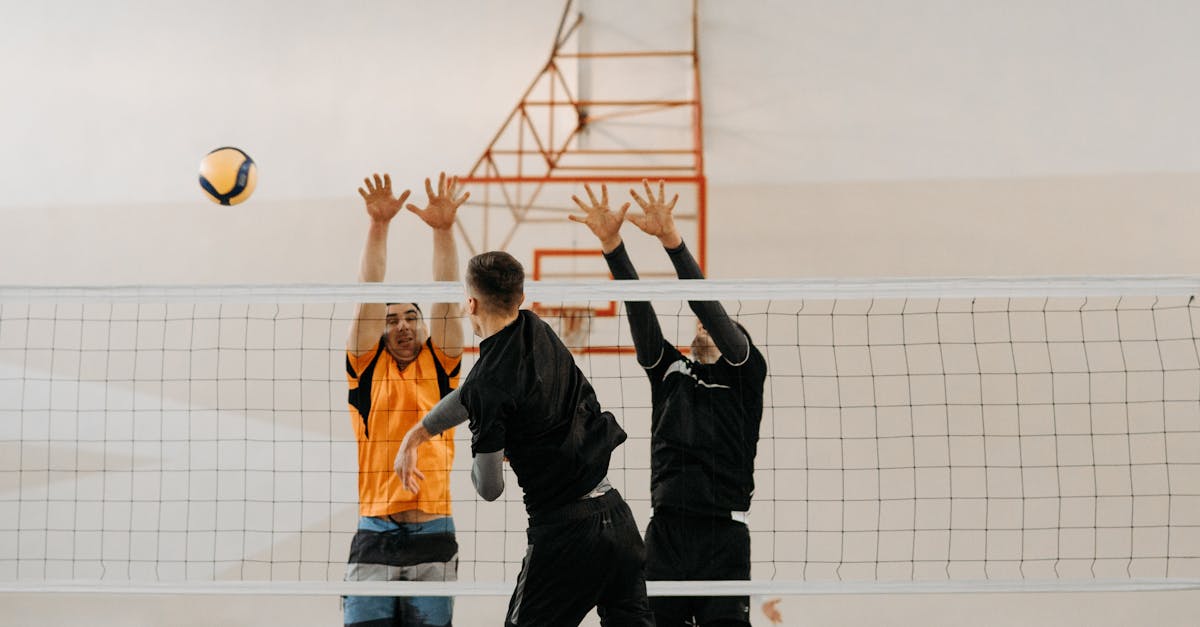
Volleyball demands explosive power, quick lateral movement, and the ability to generate force repeatedly throughout a match. Whether you're spiking, blocking, or diving for digs, the strength you build in the gym directly translates to performance on the court. This program develops the specific power, stability, and endurance volleyball players need.
Strength Demands in Volleyball
Jumping is the foundation of volleyball—every spike, block, and serve involves explosive vertical power. Building this requires training the entire posterior chain while developing the rapid force production that creates lift.
Shoulder health is critical for volleyball players. The repetitive overhead motions of hitting and serving stress the rotator cuff and surrounding structures. Balanced strength training protects against injury.
Court movement requires lateral power and stability. Quick direction changes, lunges for digs, and defensive shuffles demand strong hips and core stability that maintains performance throughout long matches.
Benefits for Volleyball Players
Higher Vertical Jump
Explosive leg training increases jump height for spikes and blocks.
Hitting Power
Core and shoulder strength generate harder, more effective attacks.
Injury Prevention
Balanced training protects shoulders, knees, and ankles from common injuries.
Court Endurance
Maintain explosive power through long matches and tournaments.
Blocking Strength
Repeated jumping and arm strength to dominate at the net.
Defensive Agility
Lateral power and stability for quicker court coverage.
Program Overview
Who it's for: Volleyball players at all levels looking to improve performance
Want a program built for you?
Osteo Strength creates a personalized program based on your equipment, limitations, and bone health goals.
Create Your Program30 secWhy These Exercises?
Each exercise in this program was selected for a specific reason. Here's why:
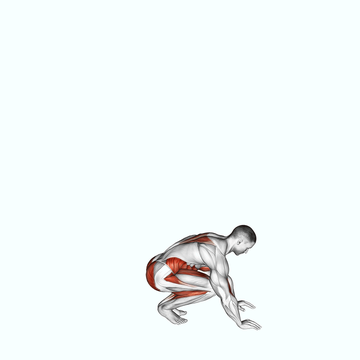
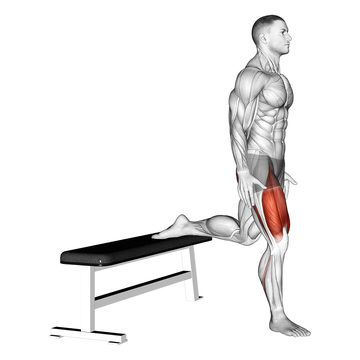
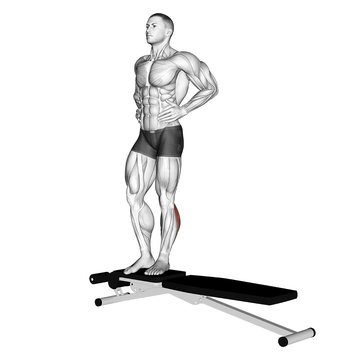
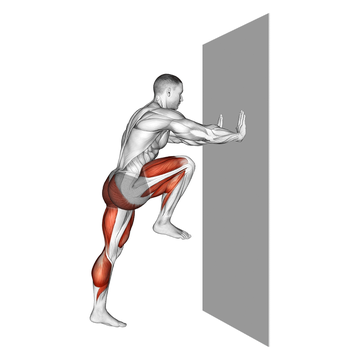
Box Jump Down With One Leg Stabilization
Develops the explosive power that creates vertical jump height.
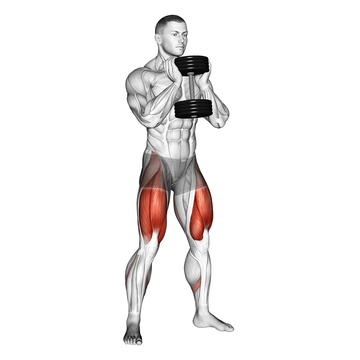
Dumbbell Goblet Squat
Leg strength foundation for jumping and court movement.
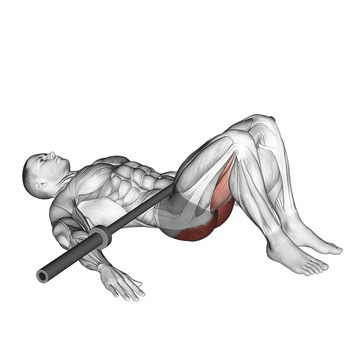
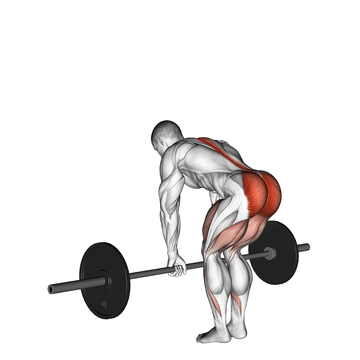
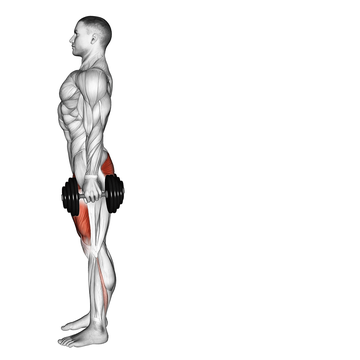
Barbell Romanian Deadlift
Posterior chain strength for jump power and landing stability.
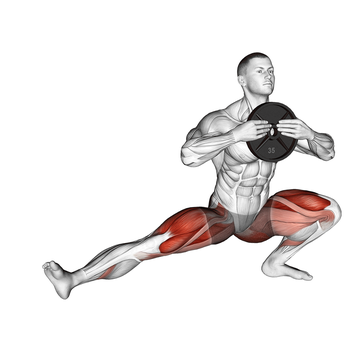
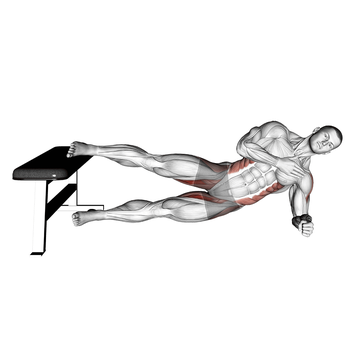
Weighted Cossack Squats
Hip strength and mobility for defensive movement patterns.
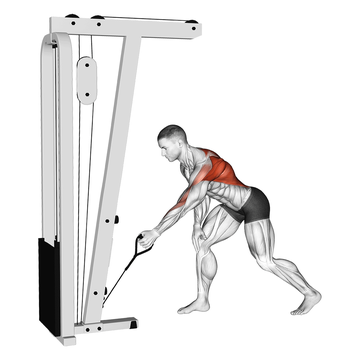
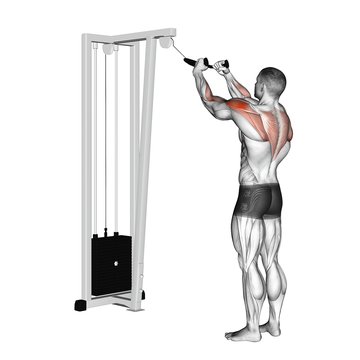
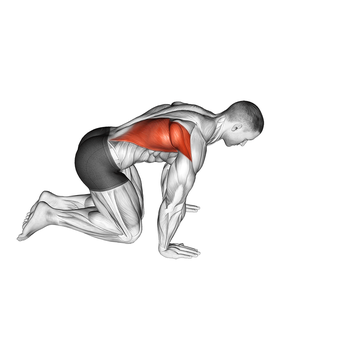
Cable Rear Delt Row (with Rope)
Shoulder stability and external rotation for arm health.
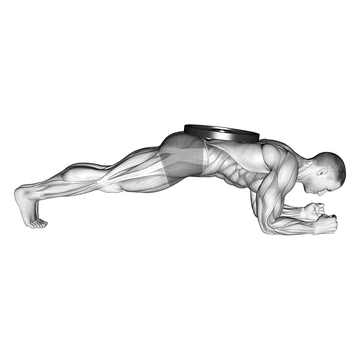
Weighted Front Plank
Core stability for power transfer during hitting.
The Complete 2-3 days Program
Follow this program consistently for best results. Start with weights that feel manageable and aim to increase gradually each week as you get stronger.
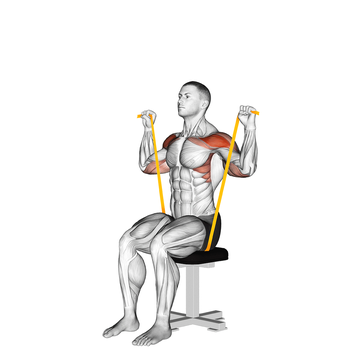
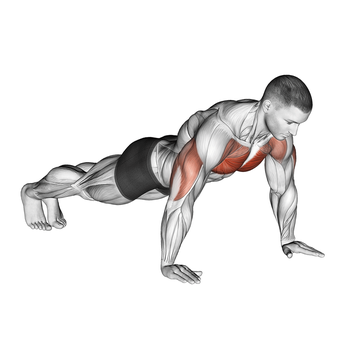
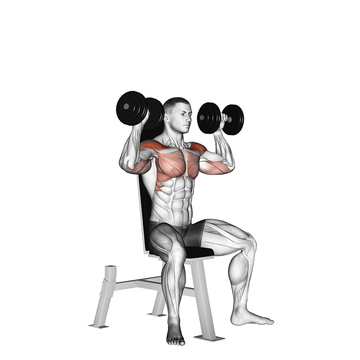
Want a program built for you?
Osteo Strength creates a personalized program based on your equipment, limitations, and bone health goals.
Create Your Program30 secBuilding Volleyball Power
- Prioritize explosive movements—speed of movement matters as much as weight.
- Include jump training but manage volume to protect knees.
- Focus on shoulder balance—train external rotators as much as pressing.
- Train lateral movement patterns, not just forward/back.
- Time training around practice and competition for recovery.
- Include single-leg work to address asymmetries from dominant side hitting.
Frequently Asked Questions
How often should volleyball players lift weights?
During season, 2 sessions per week maintains strength without excessive fatigue. Off-season, you can increase to 3-4 sessions for development.
Will lifting make me slower on the court?
Proper training improves speed. Focus on explosive movements and don't neglect conditioning. Strength without excessive mass improves court performance.
How can I increase my vertical jump?
Combine heavy strength training (squats, deadlifts) with explosive movements (box jumps, jump squats). Both are necessary—strength creates potential, explosiveness converts it.
How do I protect my shoulders?
Balance pressing with pulling (2:1 ratio), include external rotation work, and avoid training through shoulder pain. Face pulls and band work help maintain shoulder health.
Should setters train differently than hitters?
Somewhat. Setters need less jump-focused training and more finger/wrist strength and endurance. Hitters prioritize vertical power and shoulder strength.
Get a Free Personalized Program
Every body is different. Osteo Strength will build a strength program tailored to your exact needs: