Strength Training for Triathletes
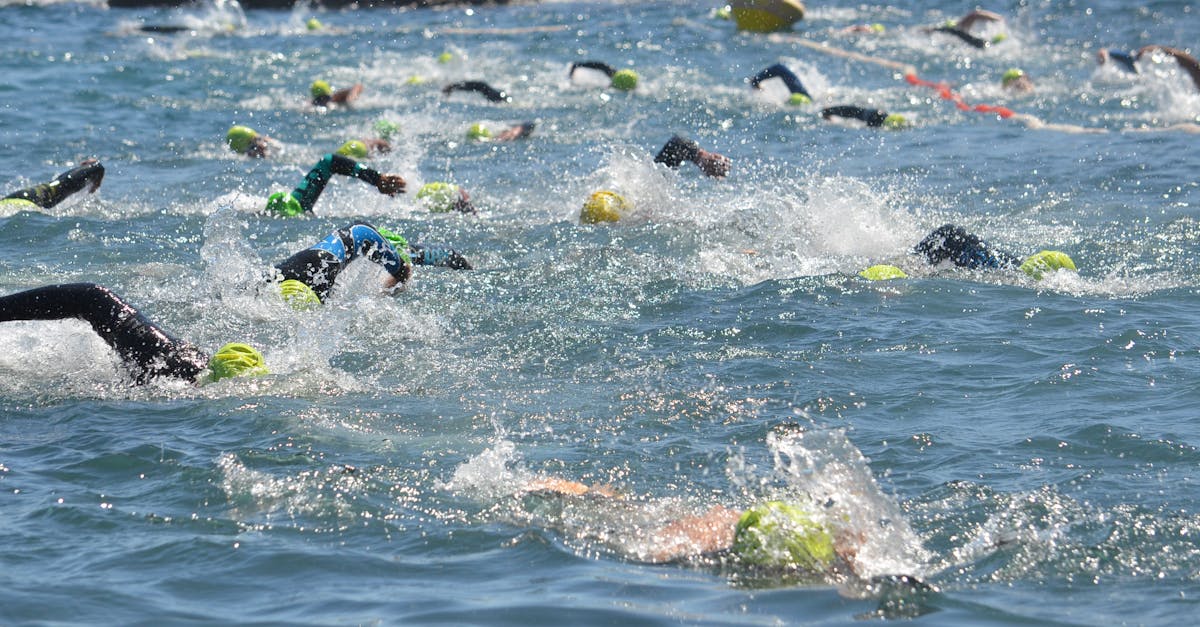
Triathletes often neglect the weight room, worried it will interfere with their swim, bike, and run training. Research shows the opposite—strategic strength training improves economy across all three disciplines, prevents common overuse injuries, and maintains power through the final miles when others fade. This program is designed for triathletes who want strength benefits without sacrificing endurance.
Why Triathletes Need Strength
Strength training improves movement economy—the energy cost of maintaining pace. Stronger muscles work more efficiently, meaning you can go faster at the same effort or maintain pace with less fatigue.
Triathlon involves repetitive stress on the same muscles for hours. Stronger muscles and connective tissue better absorb this stress, reducing the overuse injuries that plague triathletes—particularly IT band issues, knee pain, and shoulder problems.
Strength training won't make you heavy or slow. With triathlon training volume, you won't build excessive muscle. The goal is neural adaptations and tissue resilience, not hypertrophy.
Benefits for Triathletes
Improved Economy
Move more efficiently in all three disciplines.
Injury Prevention
Stronger tissues handle repetitive endurance stress better.
Power Maintenance
Stay strong in the final miles when others fade.
Swim Strength
Upper body power for faster, more efficient swimming.
Bike Power
Leg strength for climbing and sustained output.
Run Durability
Maintain form when fatigued from swimming and cycling.
Program Overview
Who it's for: Triathletes at all distances looking to improve performance
Want a program built for you?
Osteo Strength creates a personalized program based on your equipment, limitations, and bone health goals.
Create Your Program30 secWhy These Exercises?
Each exercise in this program was selected for a specific reason. Here's why:
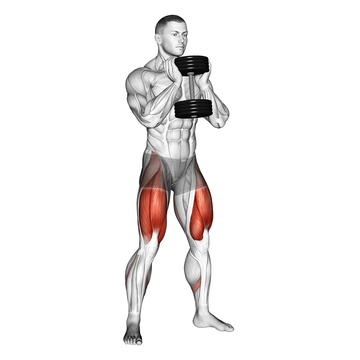
Dumbbell Goblet Squat
Leg strength for cycling and run power.
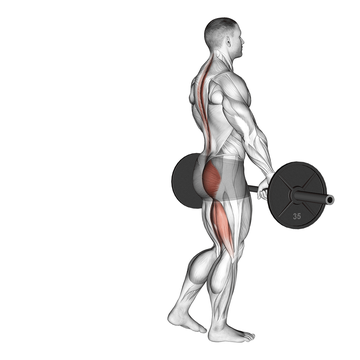
Barbell Single Leg Deadlift
Running-specific single-leg stability and strength.
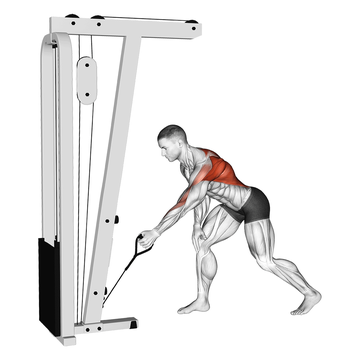
Cable One Arm Bent Over Row
Upper back strength for swim pull and bike position.
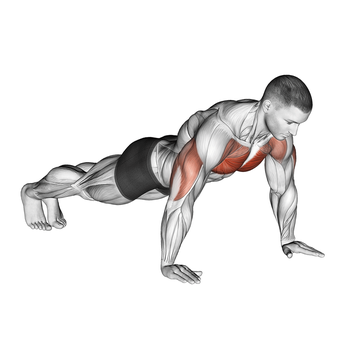
Push-up
Pressing strength for swim catch and push phase.
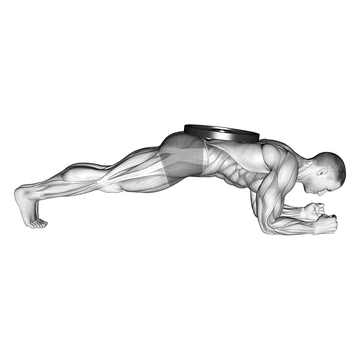
Weighted Front Plank
Core stability for efficient force transfer in all disciplines.
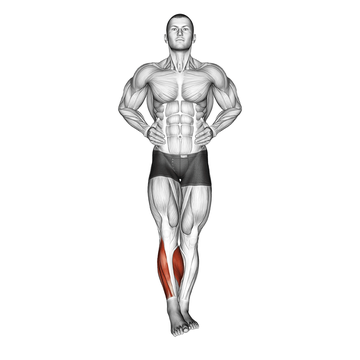
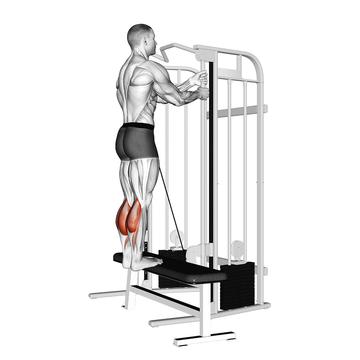
Cable Standing Calf Raise
Lower leg resilience for running economy.
The Complete 2 days Program
Follow this program consistently for best results. Start with weights that feel manageable and aim to increase gradually each week as you get stronger.
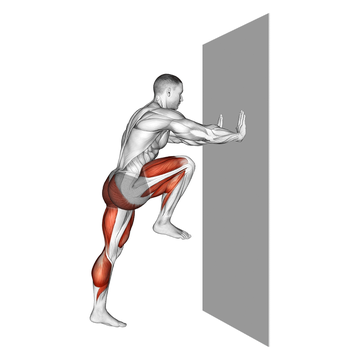
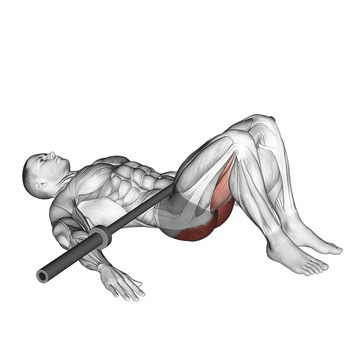
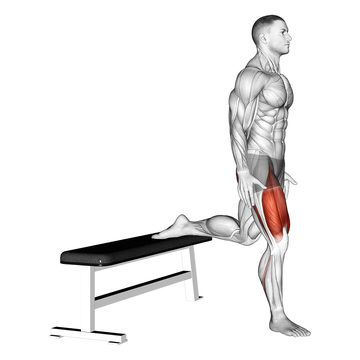
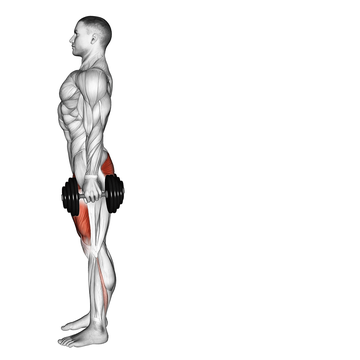
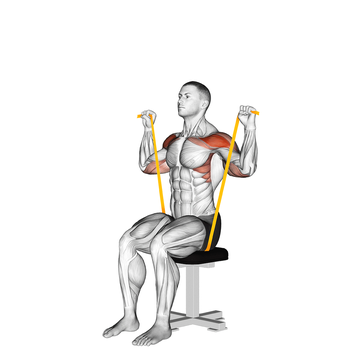
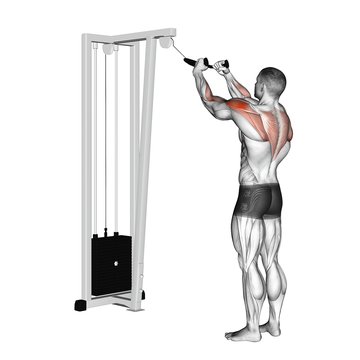
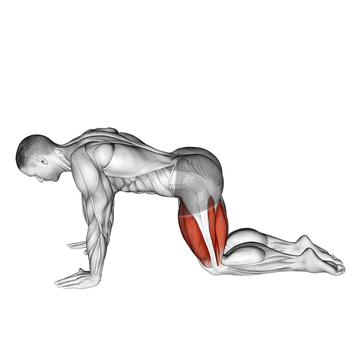
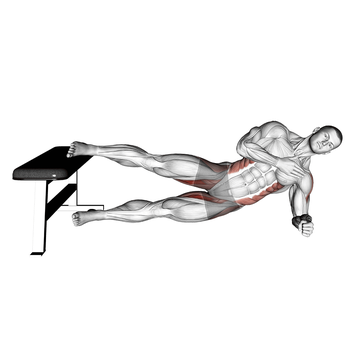
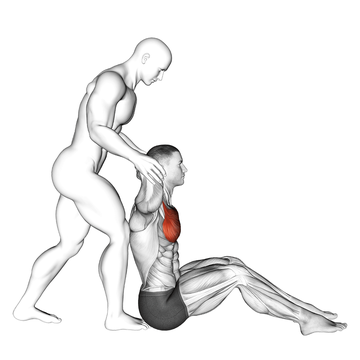
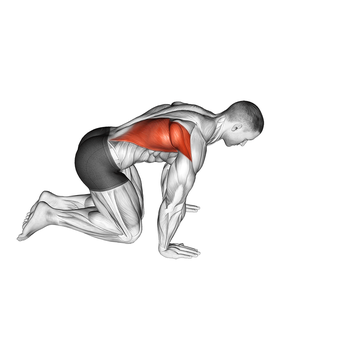
Want a program built for you?
Osteo Strength creates a personalized program based on your equipment, limitations, and bone health goals.
Create Your Program30 secStrength for Triathlon
- Schedule strength on easy days or after easy sessions, never before hard workouts.
- Keep sessions short—30-40 minutes is enough.
- Focus on quality, not volume. You have enough volume from triathlon training.
- Don't skip strength when training load is high—that's when you need it most.
- Reduce strength volume 2 weeks before A races, maintain 1 session/week.
- Address your weakest discipline—if swimming lags, prioritize upper body.
Frequently Asked Questions
When should I do strength training?
After easy sessions or on rest days. Never before hard workouts or races. Allow at least 24-48 hours before quality sessions.
Will strength training make me slower?
No—properly implemented strength training improves economy and makes you faster. Keep volume moderate and focus on power, not bulk.
How heavy should I lift?
Moderate to heavy (6-10 rep range) with good form. Light weights with high reps don't provide the strength stimulus you need.
Should I lift during race season?
Yes, but reduce volume. One session per week maintains strength. Don't lift in the 3-5 days before important races.
What about swim-specific exercises?
This program includes pulling work that supports swimming. Swim-specific drills and resistance work can supplement but aren't required.
Get a Free Personalized Program
Every body is different. Osteo Strength will build a strength program tailored to your exact needs: