Strength Training for Tennis

Tennis demands a unique combination of explosive power, rotational strength, and endurance. Every stroke transfers force from your legs through your core to your racket. Weak links in this chain mean less power and higher injury risk. This program builds the tennis-specific strength that translates directly to harder serves, more powerful groundstrokes, and better movement on the court.
Strength for Tennis Performance
Tennis is a rotational sport. Groundstrokes and serves generate power through rotation—from ground contact through your hips, core, and shoulders. Training this kinetic chain produces more racket head speed and power.
Shoulder health is critical. The repetitive overhead motion of serving stresses the shoulder joint. Strengthening the rotator cuff and scapular stabilizers protects against the injuries that sideline many players.
Leg power drives everything. The explosive first step, the split-step, the push into a serve—all require lower body power. Strong legs mean faster court coverage and more force transferred into strokes.
Benefits for Tennis Players
More Powerful Strokes
Stronger kinetic chain means more racket head speed and shot power.
Faster Court Coverage
Explosive leg strength improves first-step quickness and recovery.
Injury Prevention
Strong shoulders, core, and legs protect against common tennis injuries.
Better Endurance
Stronger muscles fatigue slower, keeping you sharp in long matches.
Serve Power
Leg drive and core rotation directly increase serve velocity.
Consistency
Stable joints and strong stabilizers reduce unforced errors.
Program Overview
Who it's for: Tennis players looking to improve performance and prevent injury
Want a program built for you?
Osteo Strength creates a personalized program based on your equipment, limitations, and bone health goals.
Create Your Program30 secWhy These Exercises?
Each exercise in this program was selected for a specific reason. Here's why:
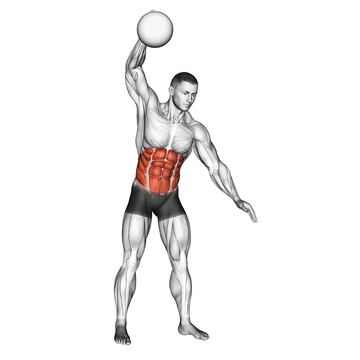
One Arm Slam (with Medicine Ball)
Directly trains the rotational power pattern used in groundstrokes.
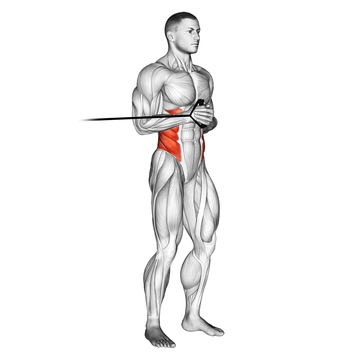
Cable Twist
Rotational core strength with resistance. Mimics stroke mechanics.
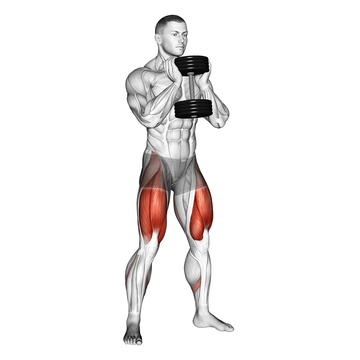
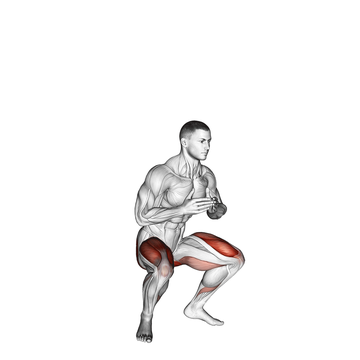
Dumbbell Goblet Squat
Leg strength and mobility for court movement.
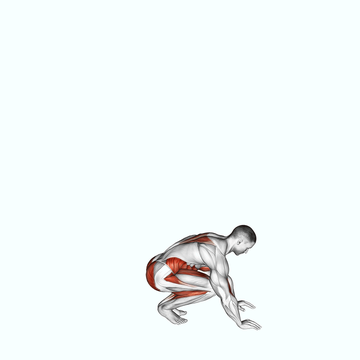
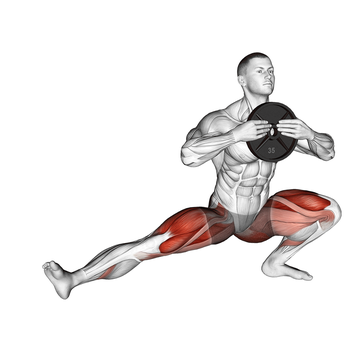
Weighted Cossack Squats
Lateral movement strength crucial for reaching wide balls.
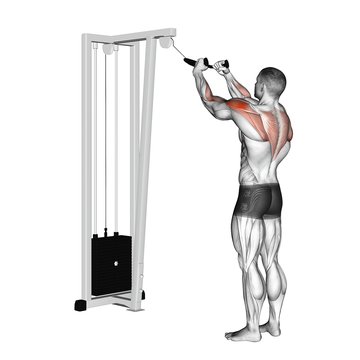
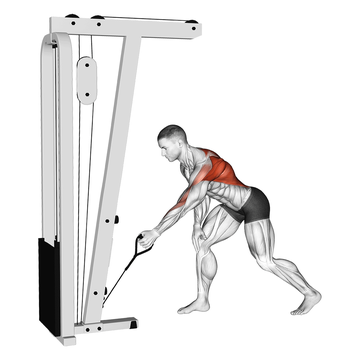
Cable Rear Delt Row (with Rope)
Shoulder health and external rotator strength.
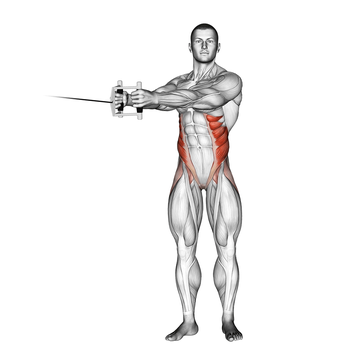
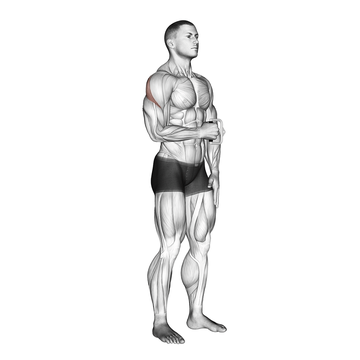
Band Horizontal Pallof Press
Anti-rotation core stability that protects the spine.
The Complete 2-3 days (away from match days) Program
Follow this program consistently for best results. Start with weights that feel manageable and aim to increase gradually each week as you get stronger.
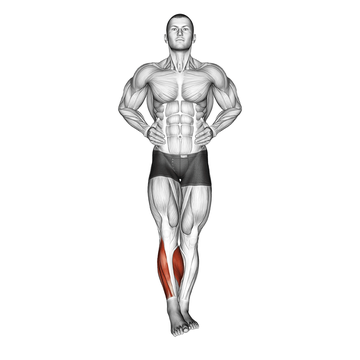
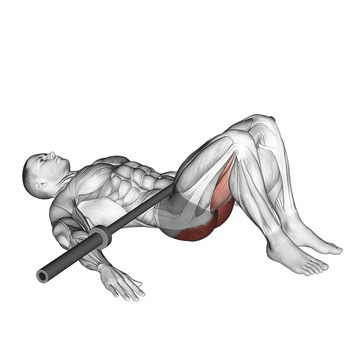
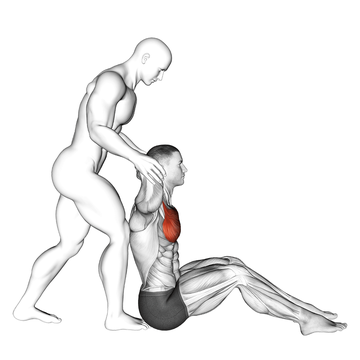
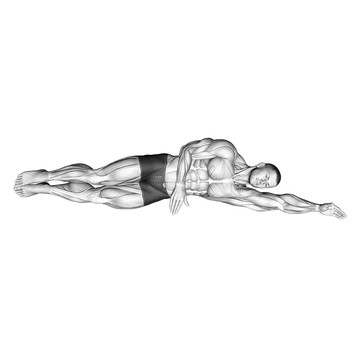
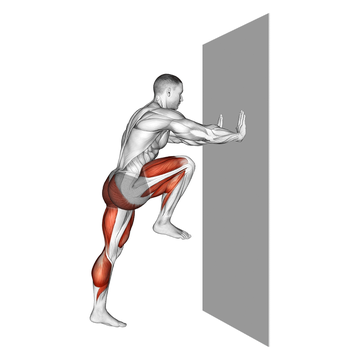
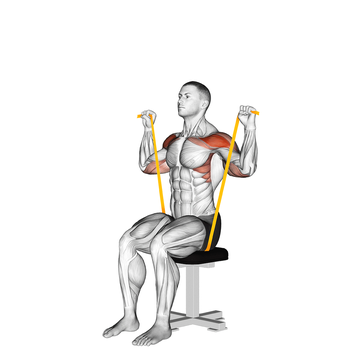
Want a program built for you?
Osteo Strength creates a personalized program based on your equipment, limitations, and bone health goals.
Create Your Program30 secTraining for Tennis
- Train rotation in both directions—tennis is heavily one-sided.
- Don't neglect shoulder external rotators. They protect against injury.
- Schedule strength training away from match days and intense practice.
- Include lateral movement exercises—tennis involves constant side-to-side motion.
- Focus on power more than maximum strength. Racket speed matters more than brute force.
- During season, reduce volume but maintain intensity to stay strong without fatigue.
Frequently Asked Questions
Will lifting weights make me slower?
No. Appropriate strength training increases power and speed. Avoid excessive bodybuilding-style training; focus on power and athleticism.
How often should I strength train during season?
2 times per week is usually sufficient. Reduce volume but maintain intensity. Never strength train the day before a match.
Should I train my dominant arm more?
Actually, train your non-dominant side equally or more. Tennis creates imbalances—strength training should address them, not worsen them.
What about wrist strength for tennis?
Include wrist curls and reverse curls 2-3 times per week. Strong forearm muscles protect the wrist and improve control.
When will I notice improvement on court?
Movement improvements come quickly (2-4 weeks). Shot power increases typically take 6-8 weeks of consistent training.
Get a Free Personalized Program
Every body is different. Osteo Strength will build a strength program tailored to your exact needs: