Strength Training for Seniors

Strength training is perhaps more important for seniors than any other age group. After 65, muscle loss accelerates, balance declines, and bone density decreases—but none of this is inevitable. Research consistently shows that seniors who strength train maintain their independence longer, have fewer falls, and enjoy a dramatically higher quality of life. This program is designed specifically for adults 65 and older, with exercises chosen for safety and effectiveness.
Why Strength Training Is Essential After 65
Sarcopenia—age-related muscle loss—accelerates after 65. Without intervention, seniors can lose 3-5% of their muscle mass per year. This isn't just about strength; muscle loss affects balance, mobility, and even the ability to live independently. The good news: research shows that strength training can reverse this process at any age.
Falls are the leading cause of injury for adults over 65, and muscle weakness is a primary risk factor. Strength training builds the leg and core muscles that keep you stable, while also improving reaction time and coordination. Seniors who strength train are 40% less likely to fall.
Beyond physical benefits, strength training supports cognitive function. Studies show seniors who lift weights have better memory, sharper focus, and reduced risk of dementia compared to sedentary peers.
Benefits of Strength Training for Seniors
Maintained Independence
Strength training helps you continue doing daily activities—getting up from chairs, climbing stairs, carrying groceries—without assistance.
Fall Prevention
Strong legs and core muscles dramatically reduce fall risk, the leading cause of injury in adults over 65.
Bone Density
Resistance training maintains and can even improve bone density, reducing fracture risk.
Better Balance
Strengthening stabilizer muscles improves balance and coordination.
Improved Mobility
Strong muscles support joints, often reducing arthritis pain and improving range of motion.
Cognitive Benefits
Research links strength training to better memory and reduced dementia risk.
Program Overview
Who it's for: Adults 65+ looking to maintain strength, balance, and independence
Want a program built for you?
Osteo Strength creates a personalized program based on your equipment, limitations, and bone health goals.
Create Your Program30 secWhy These Exercises?
Each exercise in this program was selected for a specific reason. Here's why:
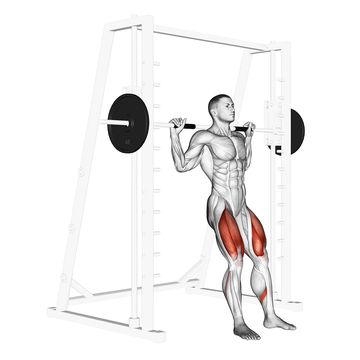
Smith Chair Squat
Safe squat variation that builds leg strength for sitting and standing—essential for daily independence.
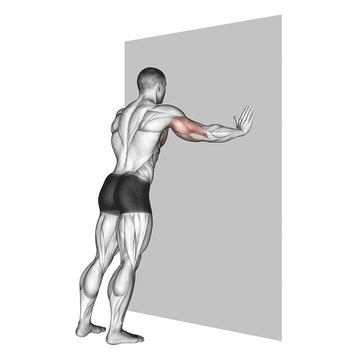
Push-up (wall)
Builds upper body strength without the demands of floor push-ups. Easy to modify intensity.
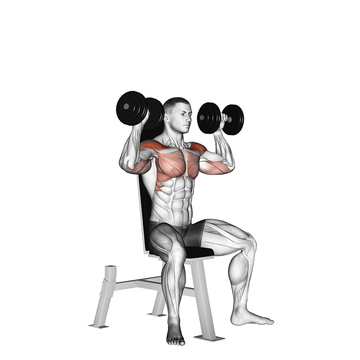
Dumbbell Seated Shoulder Press
Strengthens shoulders safely while seated for stability.
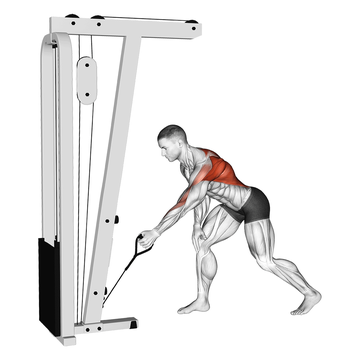
Cable One Arm Bent Over Row
Builds back strength that supports posture and daily pulling movements.
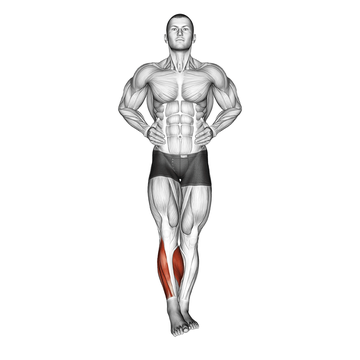
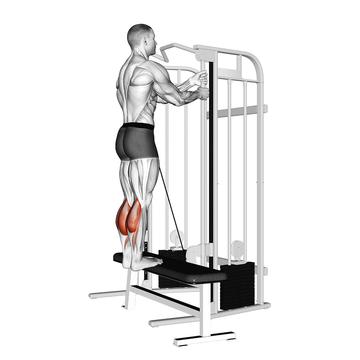
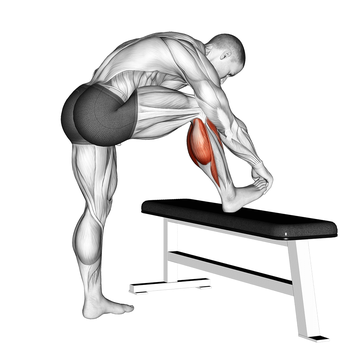
Cable Standing Calf Raise
Strengthens calves for walking stability. Can hold a chair for balance.
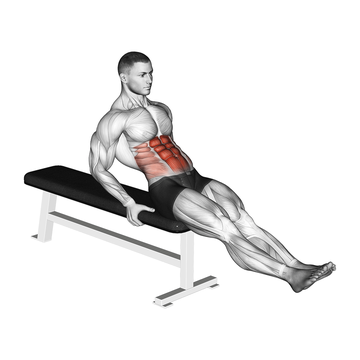
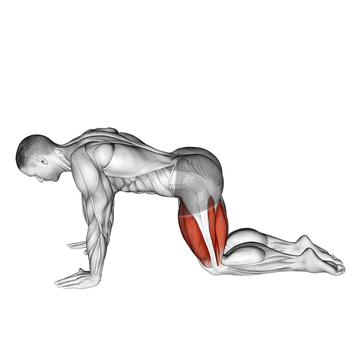
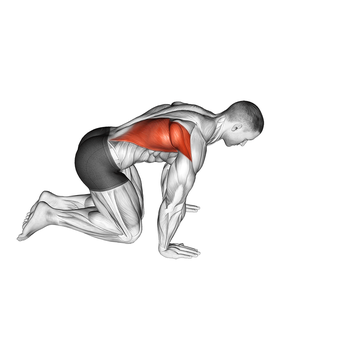
All Fours Squad Stretch
Core stability exercise that also challenges balance without strain on the back.
The Complete 2-3 days with rest days between Program
Follow this program consistently for best results. Start with weights that feel manageable and aim to increase gradually each week as you get stronger.
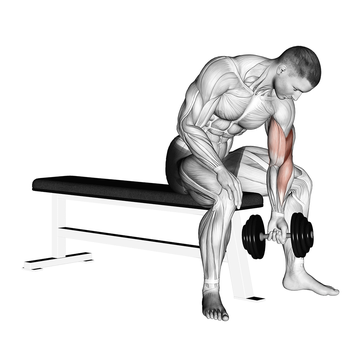
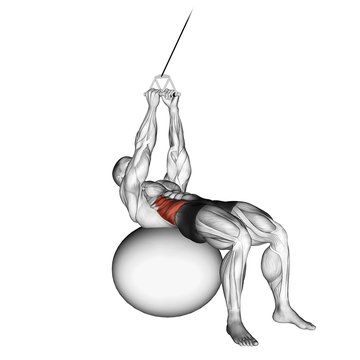
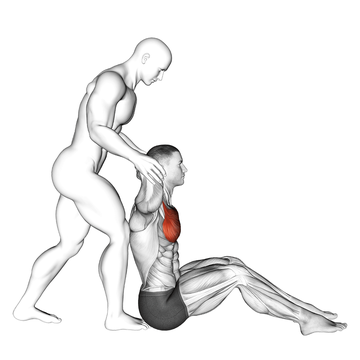
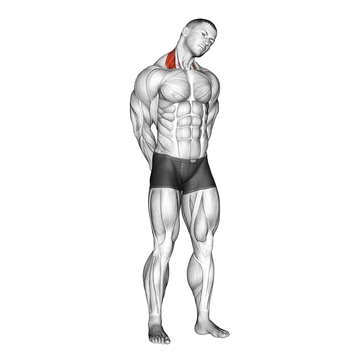
Want a program built for you?
Osteo Strength creates a personalized program based on your equipment, limitations, and bone health goals.
Create Your Program30 secGetting Started Safely
- Consult your doctor before starting, especially if you have heart conditions, joint issues, or balance problems.
- Start with bodyweight or very light weights. Progression should be gradual.
- Always have a chair or wall nearby for balance support.
- Move slowly and with control. Speed increases injury risk.
- Stop if you feel dizzy, experience sharp pain, or have trouble breathing.
- Stay hydrated—seniors are more susceptible to dehydration during exercise.
Frequently Asked Questions
Is it too late to start strength training at my age?
Absolutely not. Research shows significant muscle and strength gains are possible well into your 90s. Starting now will help maintain your independence and quality of life.
How heavy should I lift?
Start very light—even 2-3 lb dumbbells or just bodyweight. Focus on proper form and control. You can gradually increase as movements become easy.
What if I have arthritis?
Strength training often helps arthritis by strengthening muscles that support joints. Start very light, move slowly, and avoid exercises that cause sharp pain. Many seniors find significant pain relief with regular training.
Is it normal to feel sore?
Mild muscle soreness 1-2 days after exercise is normal and decreases as you adapt. Sharp pain during exercise or joint pain is not normal—stop and consult your doctor.
How soon will I notice benefits?
Many seniors notice improved strength and energy within 2-4 weeks. Balance improvements often come even sooner. Visible muscle changes take longer but functional benefits come quickly.
Get a Free Personalized Program
Every body is different. Osteo Strength will build a strength program tailored to your exact needs: