Strength Training for Older Adults

Getting older doesn't mean getting weaker—not if you train. The human body maintains remarkable capacity for building strength well into advanced age. Research consistently shows that older adults who strength train maintain muscle mass, bone density, and functional independence far better than their sedentary peers. This program is designed for adults in their 50s, 60s, and beyond who want to stay strong and capable.
Understanding Age-Related Changes
After age 30, adults lose approximately 3-8% of muscle mass per decade, with the rate accelerating after 60. This sarcopenia isn't just about appearance—it affects strength, metabolism, balance, and the ability to perform daily activities. But here's what matters: this muscle loss is largely preventable and even reversible with strength training.
Bone density also decreases with age, increasing fracture risk. Strength training is one of the most effective ways to maintain and even build bone density because the mechanical stress of lifting stimulates bone formation.
Recovery does take longer as we age. That's why this program incorporates adequate rest between sessions and avoids extreme intensity. Consistency over time produces better results than short-term intensity.
Benefits for Older Adults
Preserved Muscle Mass
Regular strength training prevents the muscle loss that leads to weakness and frailty.
Stronger Bones
Weight-bearing exercise maintains bone density and reduces osteoporosis and fracture risk.
Better Balance
Strong muscles improve stability and dramatically reduce fall risk.
Maintained Metabolism
Muscle burns more calories than fat, helping prevent age-related weight gain.
Joint Health
Strong muscles support and protect joints, often reducing arthritis symptoms.
Mental Sharpness
Studies link strength training to improved cognitive function and reduced dementia risk.
Program Overview
Who it's for: Adults 50+ who want to maintain or build strength safely
Want a program built for you?
Osteo Strength creates a personalized program based on your equipment, limitations, and bone health goals.
Create Your Program30 secWhy These Exercises?
Each exercise in this program was selected for a specific reason. Here's why:
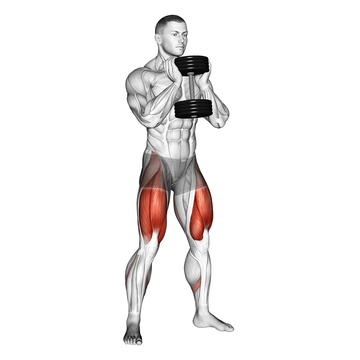
Dumbbell Goblet Squat
Builds leg strength essential for sitting, standing, and climbing stairs. The goblet position helps maintain good form.
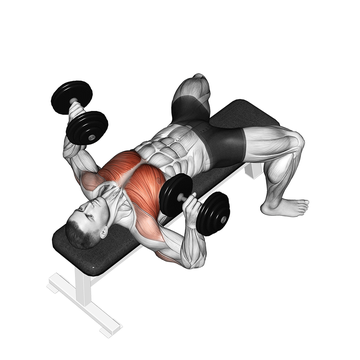
Dumbbell Bench Press
Strengthens chest and arms with a natural range of motion that's easier on shoulders than barbell pressing.
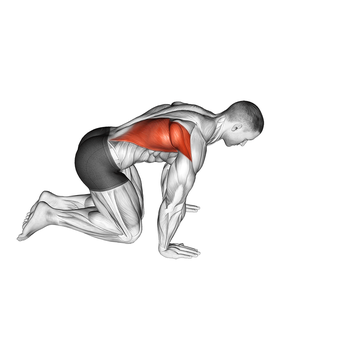
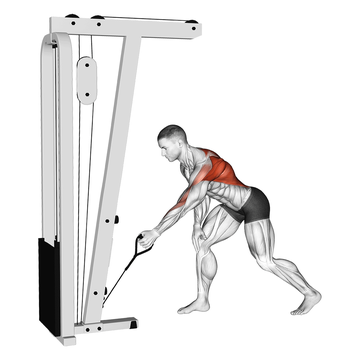
Cable One Arm Bent Over Row
Builds back strength that supports posture and counteracts the forward-leaning tendency of aging.
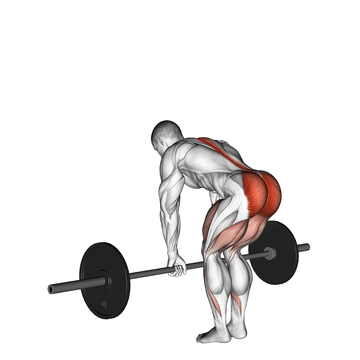
Barbell Romanian Deadlift
Strengthens the posterior chain—hamstrings, glutes, and lower back—critical for lifting and bending safely.
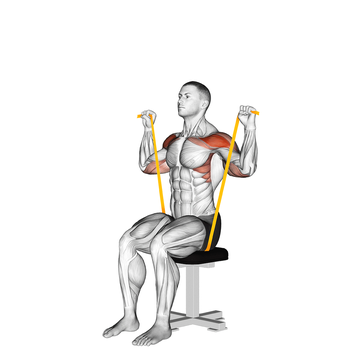
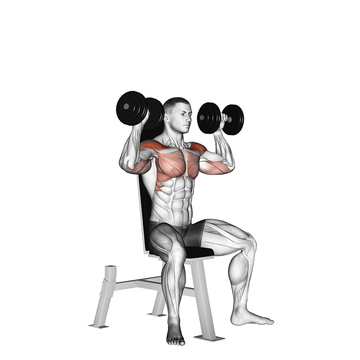
Dumbbell Seated Shoulder Press
Builds shoulder strength while seated for stability, reducing balance demands.
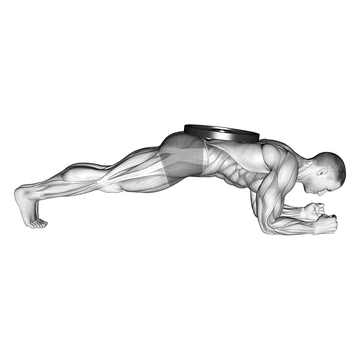
Weighted Front Plank
Core stability is essential for balance and protecting the lower back during daily activities.
The Complete 3 days with at least one rest day between sessions Program
Follow this program consistently for best results. Start with weights that feel manageable and aim to increase gradually each week as you get stronger.
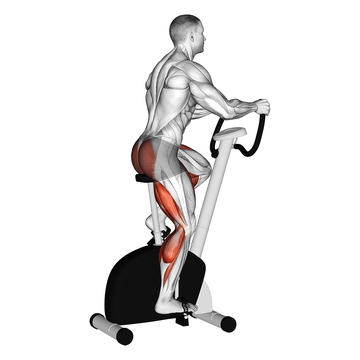
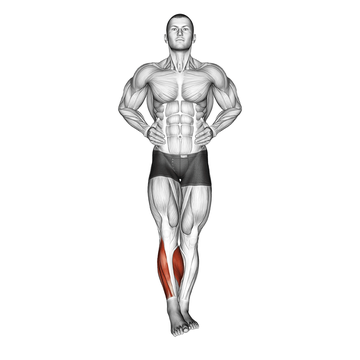
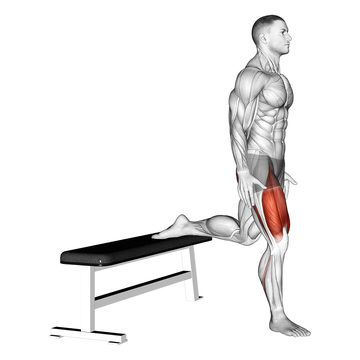
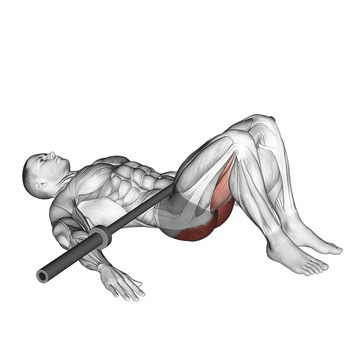
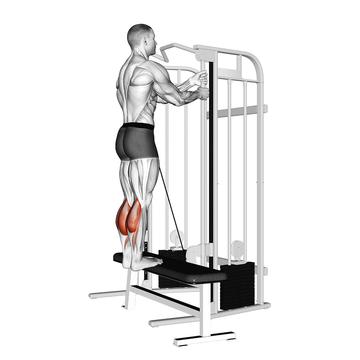
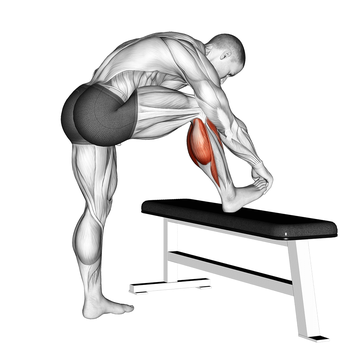
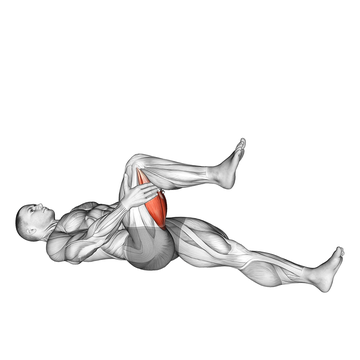
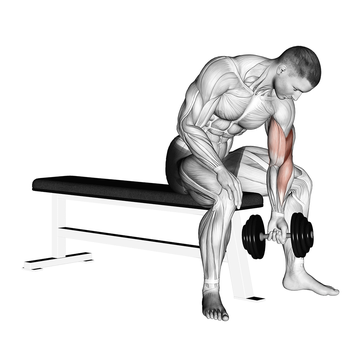
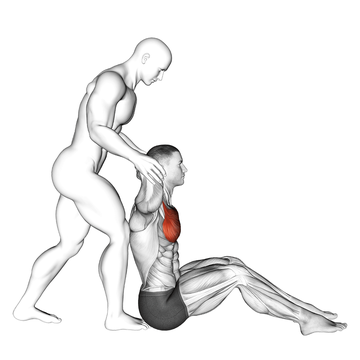
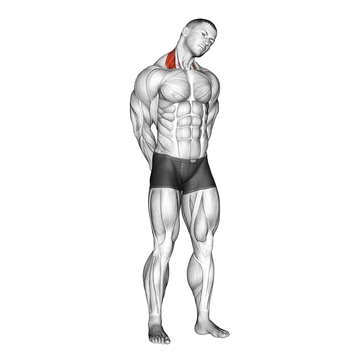
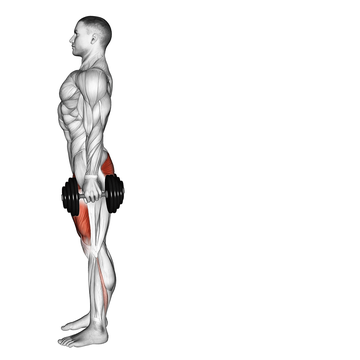
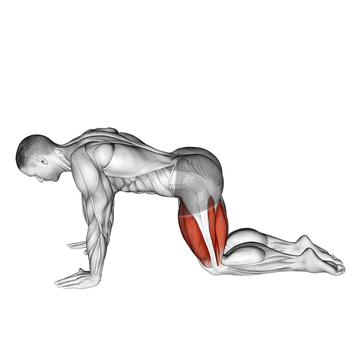
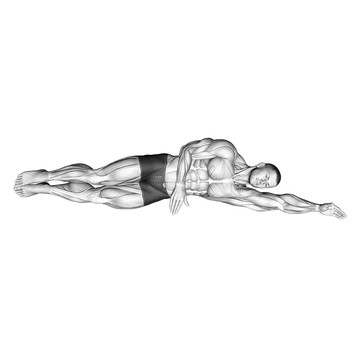
Want a program built for you?
Osteo Strength creates a personalized program based on your equipment, limitations, and bone health goals.
Create Your Program30 secStarting Your Training
- Get medical clearance if you have heart conditions, high blood pressure, or joint replacements.
- Start with lighter weights than you think you need. Focus on perfect form first.
- Warm up thoroughly—older muscles and joints need more preparation.
- Listen to your body. Sharp pain is a signal to stop; mild muscle fatigue is normal.
- Stay consistent. Two to three sessions per week produces steady, sustainable progress.
- Track your workouts so you can see your progress over time.
Frequently Asked Questions
Can I build muscle after 50 or 60?
Yes. Research shows muscle growth is possible at any age with proper training and nutrition. Progress may be slower than for younger adults, but significant strength gains are achievable.
How heavy should I lift?
Heavy enough that the last 2-3 reps are challenging, but light enough to maintain good form. Start conservatively and increase gradually over weeks.
Is strength training safe for my joints?
When done properly, strength training often improves joint health by strengthening supporting muscles. Start light, use controlled movements, and avoid exercises that cause pain.
How long before I see results?
Strength improvements often appear within 2-4 weeks. Visible muscle changes take 8-12 weeks. Functional improvements—daily tasks feeling easier—often come within the first month.
What if I've never lifted weights before?
It's never too late to start. Begin with lighter weights to learn proper form. Consider a few sessions with a trainer experienced in working with older adults.
Get a Free Personalized Program
Every body is different. Osteo Strength will build a strength program tailored to your exact needs: