Strength Training for Posture

Modern life destroys posture. Hours of sitting, phone scrolling, and computer work create rounded shoulders, forward head posture, and weakened back muscles. The solution isn't just stretching or trying to "stand up straight"—it's strengthening the muscles that hold you upright. This program targets the specific muscles that improve posture while addressing the imbalances that caused the problem.
Understanding Posture Problems
Poor posture typically involves weak upper back muscles (rhomboids, lower traps) combined with tight chest muscles. This pulls shoulders forward into the rounded position. The solution is strengthening the back while stretching the chest.
Forward head posture strains neck muscles and weakens deep neck flexors. Every inch your head moves forward adds 10 lbs of effective weight on your neck. Strengthening the right muscles pulls your head back over your shoulders.
Core weakness contributes to poor posture. Without strong core muscles, your spine doesn't have the support to maintain neutral position. Posture correction requires both back AND core work.
Benefits of Posture Correction
Reduced Pain
Better posture reduces neck, shoulder, and back pain.
Confident Appearance
Standing tall projects confidence and makes you look better.
Better Breathing
Upright posture opens the chest for easier, deeper breathing.
Improved Energy
Poor posture is tiring. Proper alignment is more efficient.
Injury Prevention
Balanced muscles and proper alignment reduce injury risk.
Better Lifting
Good posture improves performance on all strength exercises.
Program Overview
Who it's for: Anyone with posture issues from desk work or daily habits
Want a program built for you?
Osteo Strength creates a personalized program based on your equipment, limitations, and bone health goals.
Create Your Program30 secWhy These Exercises?
Each exercise in this program was selected for a specific reason. Here's why:
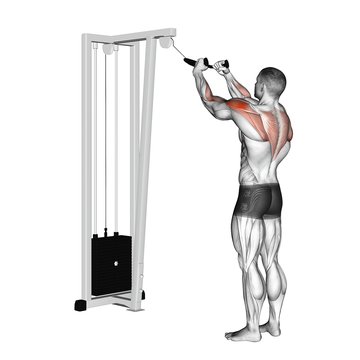
Cable Rear Delt Row (with Rope)
The best exercise for posture. Strengthens external rotators and upper back.
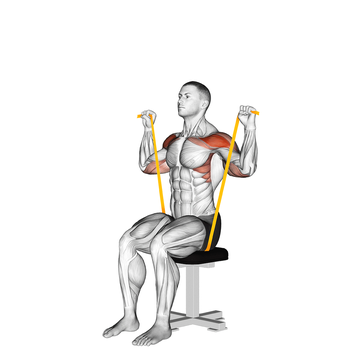
Resistance Band Seated Shoulder Press
Rhomboid and rear delt activation. Can be done daily.
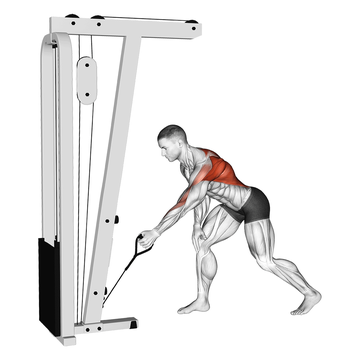
Cable One Arm Bent Over Row
Upper back thickness and strength to pull shoulders back.
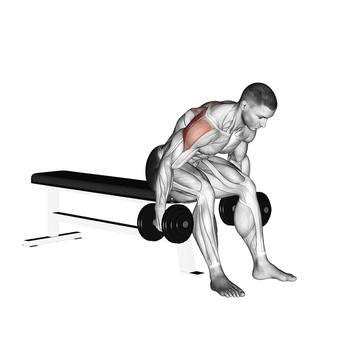
Dumbbell Rear Fly
Rear delt and upper back isolation for posture muscles.
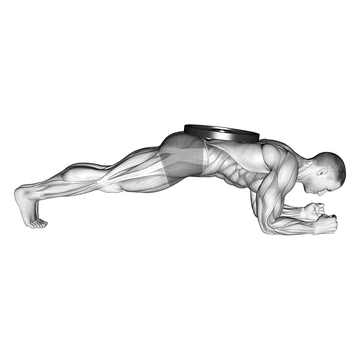
Weighted Front Plank
Core stability that supports proper spinal alignment.
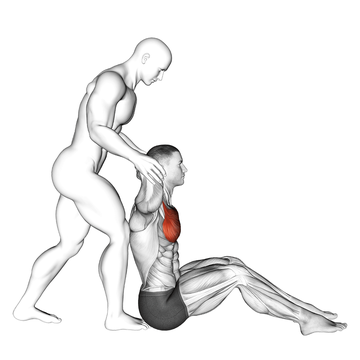
Behind Head Chest Stretch
Lengthens the tight chest muscles pulling shoulders forward.
The Complete 3-4 days Program
Follow this program consistently for best results. Start with weights that feel manageable and aim to increase gradually each week as you get stronger.
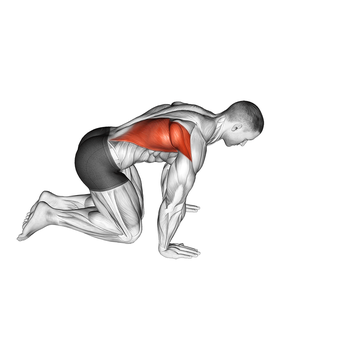
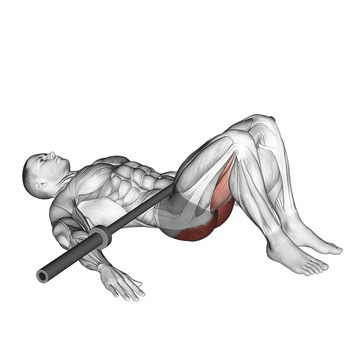
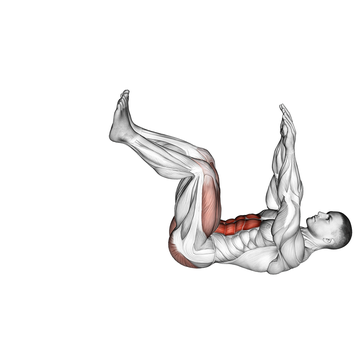
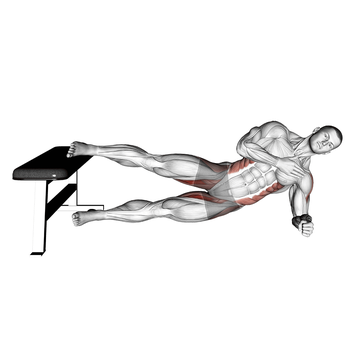
Want a program built for you?
Osteo Strength creates a personalized program based on your equipment, limitations, and bone health goals.
Create Your Program30 secFixing Your Posture
- Do face pulls and band pull-aparts frequently—even daily for severe issues.
- Stretch your chest after every upper body workout and throughout the day.
- Strengthen your back more than you train your chest until posture improves.
- Set phone and computer reminders to check your posture throughout the day.
- Address your environment—raise your monitor, improve your chair setup.
- Be patient. Posture changes take weeks to months of consistent effort.
Frequently Asked Questions
How long until I see posture improvement?
You may feel better within 2-3 weeks. Visible changes in resting posture typically take 6-12 weeks of consistent effort.
Can I fix my posture just by stretching?
Stretching helps but isn't enough. The weak muscles need strengthening to hold proper position. You need both flexibility AND strength.
Should I completely stop training chest?
Not completely, but prioritize back. A 2:1 ratio of pulling to pushing volume helps until posture improves.
Why does my posture get worse throughout the day?
Your postural muscles fatigue. This is normal at first. As they get stronger, you'll maintain good posture longer. Take posture breaks throughout the day.
Will posture correction fix my pain?
Often yes, if the pain stems from posture issues. Neck, upper back, and shoulder pain frequently improve with posture correction. Persistent pain should be evaluated by a professional.
Get a Free Personalized Program
Every body is different. Osteo Strength will build a strength program tailored to your exact needs: