Leg Workouts for Bad Knees

Knee pain doesn't mean you can't build strong, powerful legs—it means you need the right approach. Many people with knee issues actually make their condition worse by avoiding leg training entirely, which leads to muscle weakness that puts more stress on the joints. This program strengthens the muscles that support your knees while avoiding movements that aggravate them. Stronger muscles protect your joints and often reduce pain over time.
Understanding Knee-Friendly Training
Weak muscles around the knee—particularly the quadriceps, hamstrings, and glutes—actually increase joint stress. When these muscles are strong, they absorb impact and stabilize the joint through movement. Strengthening them is often part of knee rehabilitation, not something to avoid.
Certain movements tend to aggravate knee issues: deep squats that track knees far forward, high-impact activities like jumping, and exercises with heavy shear forces. This program avoids these patterns while still providing effective leg training.
Hip strength matters more for knee health than most people realize. Weak glutes allow the knee to collapse inward during movement, creating stress on the joint. This program emphasizes hip strengthening alongside direct knee-supporting exercises.
Benefits of Knee-Friendly Training
Reduced Joint Stress
Stronger muscles absorb impact and stabilize the knee, often reducing pain.
Maintained Leg Strength
Continue building muscle without aggravating your knees.
Improved Function
Climb stairs, get up from chairs, and walk with less discomfort.
Protected Cartilage
Strong muscles reduce the grinding and wear on joint surfaces.
Better Stability
Reduced risk of knee buckling or giving out.
Long-Term Health
Maintaining leg strength preserves mobility and independence.
Program Overview
Who it's for: Anyone with knee pain or previous knee injury looking to safely strengthen legs
Want a program built for you?
Osteo Strength creates a personalized program based on your equipment, limitations, and bone health goals.
Create Your Program30 secWhy These Exercises?
Each exercise in this program was selected for a specific reason. Here's why:
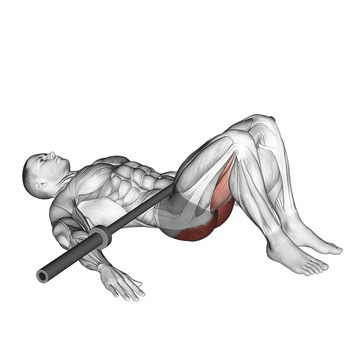
Barbell Glute Bridge
Builds glute strength with zero knee stress. Glutes protect knees during movement.
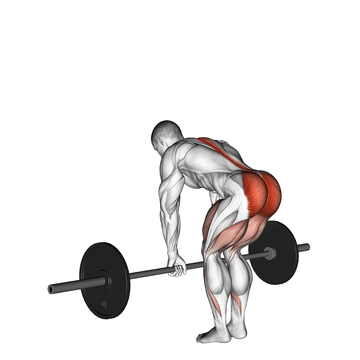
Barbell Romanian Deadlift
Strengthens hamstrings and glutes without knee bend. Essential posterior chain exercise.
Barbell Step-up
Controlled knee movement with the ability to adjust height. Builds functional leg strength.
Lever Seated Leg Curl
Isolated hamstring work with no knee stress. Supports the joint from behind.
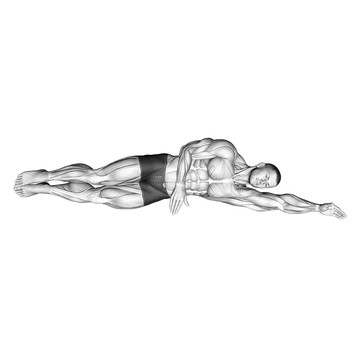
Side Hip Abduction
Strengthens hip abductors that prevent knee collapse during movement.
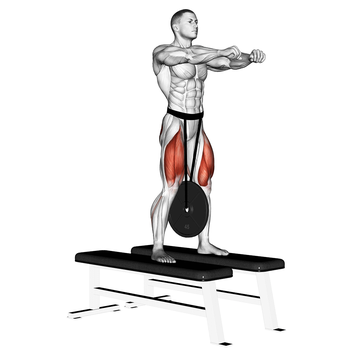
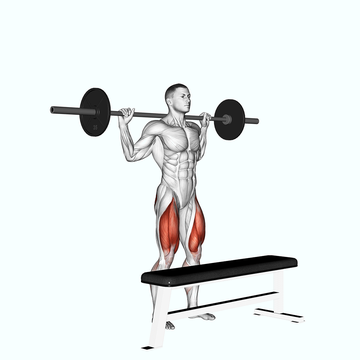
Weighted Squat
Builds quad endurance isometrically without through-range knee stress.
The Complete 2-3 days Program
Follow this program consistently for best results. Start with weights that feel manageable and aim to increase gradually each week as you get stronger.
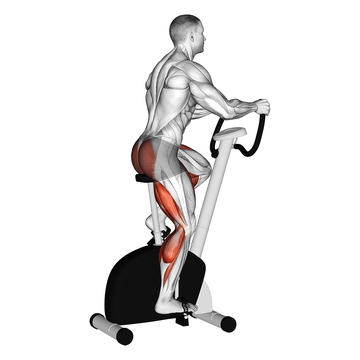
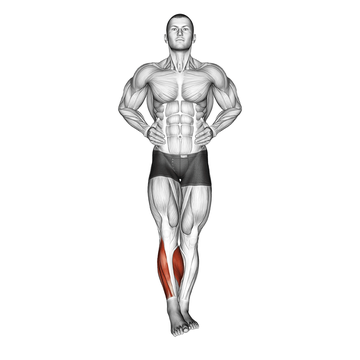
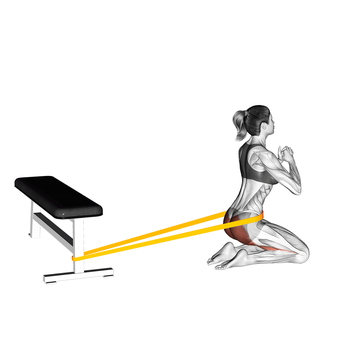
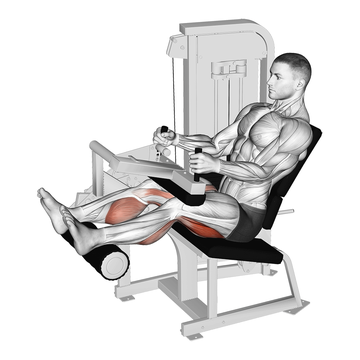
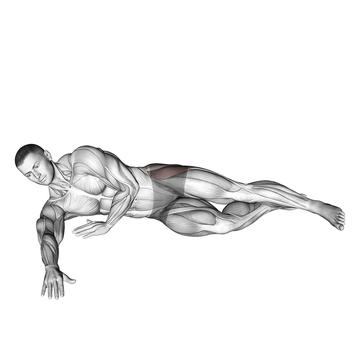
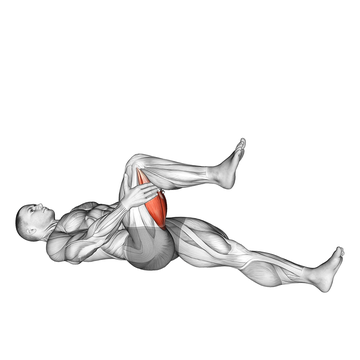
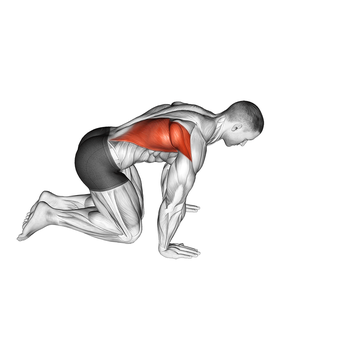
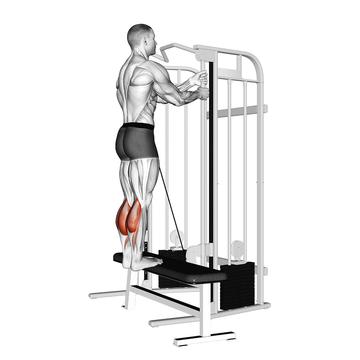
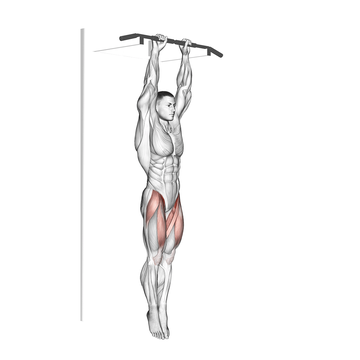
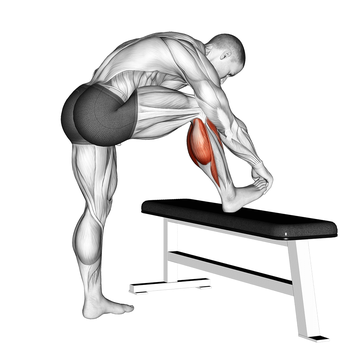
Want a program built for you?
Osteo Strength creates a personalized program based on your equipment, limitations, and bone health goals.
Create Your Program30 secTraining with Knee Issues
- Start light and progress gradually. Joint tissue adapts more slowly than muscles.
- Pain during exercise is a signal to stop or modify. Mild discomfort may be acceptable; sharp pain is not.
- Warm up thoroughly before training. Cold joints are more prone to aggravation.
- Ice after workouts if you experience swelling or discomfort.
- Consult a doctor or physical therapist if you have significant knee damage or recent injury.
- Stay consistent. Gradual strengthening provides long-term benefits for joint health.
Frequently Asked Questions
Should I avoid leg training entirely with bad knees?
Usually no. Muscle weakness around the knee often makes problems worse. The right exercises strengthen supporting muscles and can reduce knee pain. Consult your doctor for severe or recent injuries.
What about squats?
Deep squats may aggravate some knee conditions. Shallow squats, box squats, or modified versions are often tolerable. This program emphasizes hip-dominant movements that are generally easier on knees.
Will my knees get better with training?
Many people experience reduced knee pain as supporting muscles strengthen. However, training won't repair structural damage. Focus on building strength while managing symptoms.
What if an exercise hurts?
Stop and modify. Try reducing weight, reducing range of motion, or substituting a different exercise. Sharp pain is always a signal to stop. Mild muscle fatigue is acceptable.
How important is hip strength for knees?
Critical. Weak hips allow the knee to collapse inward during movement, creating stress on the joint. Glute and hip abductor exercises are as important as direct knee exercises.
Get a Free Personalized Program
Every body is different. Osteo Strength will build a strength program tailored to your exact needs: