Exercises for Tight Hips

Tight hips are nearly universal in modern life—we sit for hours, and the hip flexors adapt by shortening while glutes weaken. This creates a cascade of problems: lower back pain, restricted movement, poor posture, and reduced athletic performance. This program combines stretching to lengthen tight muscles with strengthening to activate weak ones, restoring full hip function and eliminating the discomfort of chronic tightness.
Why Hips Get Tight
When you sit, your hip flexors are in a shortened position for hours at a time. Over years, these muscles adapt by becoming permanently shorter and tighter. Meanwhile, your glutes are stretched and inactive, becoming weak. This combination—tight hip flexors, weak glutes—creates the hip dysfunction most people experience.
Tight hips affect your entire body. Short hip flexors tilt your pelvis forward, creating lower back pain. Weak glutes force other muscles to compensate, leading to knee and hip problems. Limited hip mobility restricts movement in exercise and daily life.
Stretching alone doesn't fully fix tight hips. You also need to strengthen the glutes and hip extensors that are weak. This program addresses both: lengthening what's tight and strengthening what's weak.
Benefits of Hip Mobility Work
Reduced Back Pain
Tight hip flexors pull on the lower back. Loosening them often eliminates chronic back pain.
Better Movement
Full hip mobility allows deeper squats, longer strides, and more athletic movement.
Improved Posture
Balanced hips allow proper pelvic alignment, improving how you stand and walk.
Decreased Knee Pain
Hip dysfunction often manifests as knee pain. Fix the hips, reduce knee stress.
Enhanced Performance
Athletes with mobile hips are faster, more powerful, and more injury-resistant.
Greater Comfort
Simply sitting and standing becomes easier with functional hip mobility.
Program Overview
Who it's for: Anyone with hip tightness, limited mobility, or related back/knee pain
Want a program built for you?
Osteo Strength creates a personalized program based on your equipment, limitations, and bone health goals.
Create Your Program30 secWhy These Exercises?
Each exercise in this program was selected for a specific reason. Here's why:
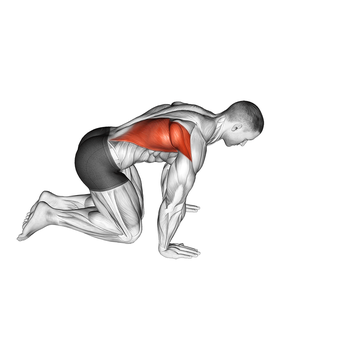
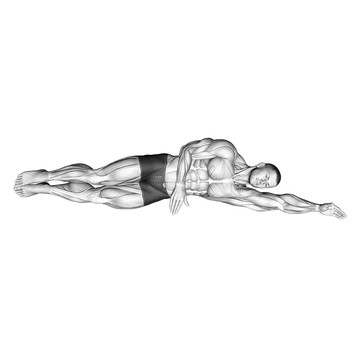
Kneeling Lat Stretch
The most effective stretch for tight hip flexors. Hold long for lasting change.
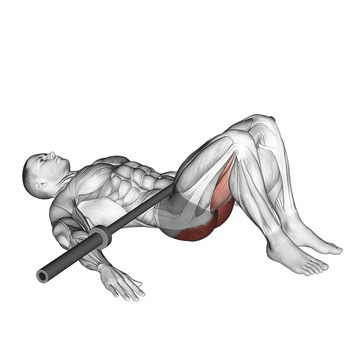
Barbell Glute Bridge
Activates and strengthens glutes that are inhibited by tight hip flexors.
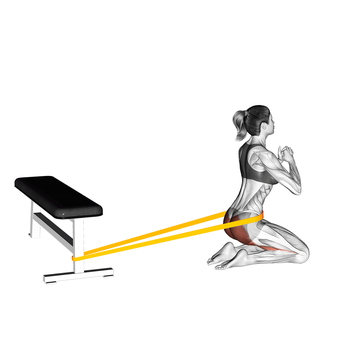
Resistance Band Hip Thrusts On Knees
Maximum glute activation to counteract hip flexor dominance.
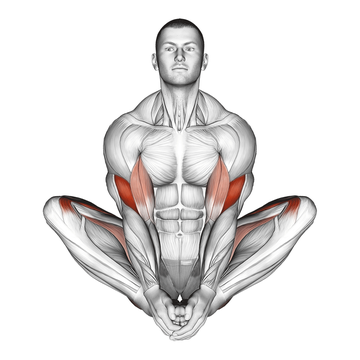
Butterfly Yoga Pose
Addresses internal and external hip rotation mobility simultaneously.
Butterfly Yoga Pose
Deep hip opener that stretches the external rotators and hip flexors.
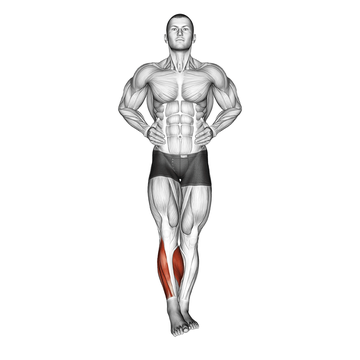
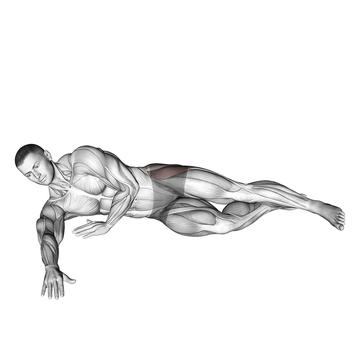
Side Hip Abduction
Strengthens hip abductors for balanced hip function.
The Complete 3-5 days (stretches can be done daily) Program
Follow this program consistently for best results. Start with weights that feel manageable and aim to increase gradually each week as you get stronger.
Want a program built for you?
Osteo Strength creates a personalized program based on your equipment, limitations, and bone health goals.
Create Your Program30 secUnlocking Your Hips
- Hold stretches for at least 60-90 seconds. Shorter holds don't create lasting change in tight muscles.
- Don't bounce in stretches. Smooth, sustained pressure is safer and more effective.
- Strengthen glutes aggressively. Weak glutes are often the root cause of hip tightness.
- Take movement breaks throughout the day. Sitting for hours undoes stretching progress.
- Improvement is gradual but real. Most people notice significant change within 4-6 weeks.
- Some discomfort is normal; sharp pain is not. Stop stretches that cause joint pain.
Frequently Asked Questions
How long until my hips loosen up?
Immediate improvement is possible after a session, but lasting change requires 4-8 weeks of consistent work. The longer you've been tight, the longer full correction takes.
Why do I need to strengthen, not just stretch?
Tight hip flexors often overpower weak glutes. Stretching alone leaves the imbalance. Strengthening glutes restores proper muscle balance and hip function.
Is it normal to feel tight again the next day?
Yes, initially. Muscle tightness returns until your body adapts to the new range. Consistent practice gradually makes improvements more permanent.
Can I do this every day?
Stretches and light mobility work can be done daily. Strengthening exercises should have rest days. A good approach is daily stretches with strength work 3-4 days per week.
Will this help my back pain?
Often yes. Tight hip flexors are a leading cause of lower back pain. Many people experience significant back relief as hip flexibility improves.
Get a Free Personalized Program
Every body is different. Osteo Strength will build a strength program tailored to your exact needs: