Strength Training for Injury Prevention

The best injury is one that never happens. Strategic strength training builds resilient tissues that resist the strains and stresses of daily life and athletics. This "prehabilitation" approach strengthens weak links before they become injuries, keeping you active and pain-free for the long term.
How Strength Prevents Injuries
Stronger muscles absorb force better. When muscles are weak, stress transfers to tendons, ligaments, and joints. Strong muscles protect these structures by handling loads themselves.
Balanced strength prevents compensation injuries. When one muscle is weak, others work overtime to compensate, often leading to overuse injuries. Balanced training eliminates these weak links.
Strength training strengthens connective tissue. Tendons and ligaments adapt to progressive loading, becoming stronger and more resistant to tears and sprains.
Benefits of Injury Prevention Training
Reduced Injury Risk
Stronger tissues resist strains and tears.
Better Joint Stability
Strong muscles support and protect joints.
Balanced Development
Eliminate weak links that cause compensation injuries.
Improved Recovery
Stronger bodies recover faster from physical stress.
Long-Term Activity
Stay active without the setbacks of injuries.
Confident Movement
Trust your body during physical activities.
Program Overview
Who it's for: Anyone wanting to prevent injuries and maintain long-term health
Want a program built for you?
Osteo Strength creates a personalized program based on your equipment, limitations, and bone health goals.
Create Your Program30 secWhy These Exercises?
Each exercise in this program was selected for a specific reason. Here's why:
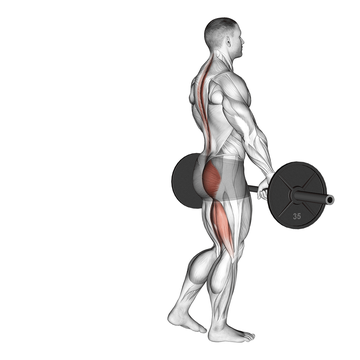
Barbell Single Leg Deadlift
Single-leg stability prevents ankle, knee, and hip injuries.
Cable Rear Delt Row (with Rope)
Shoulder health through external rotator strengthening.
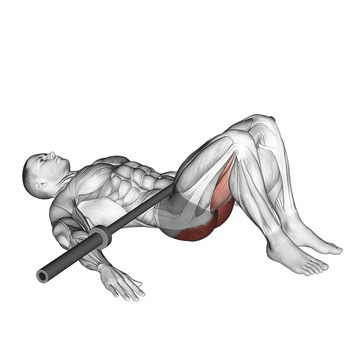
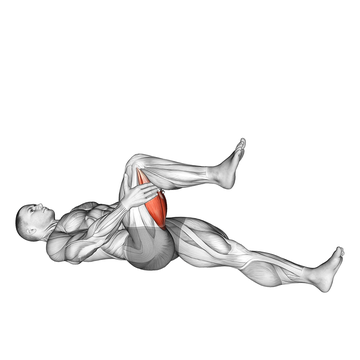
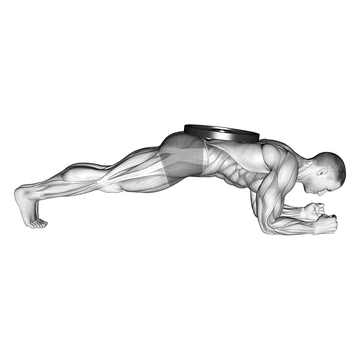
Barbell Glute Bridge
Hip stability that protects lower back and knees.
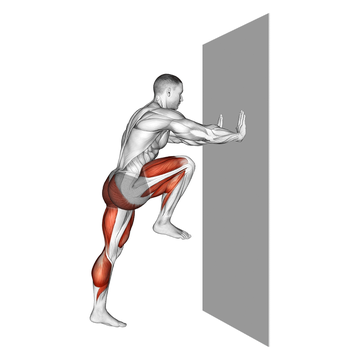
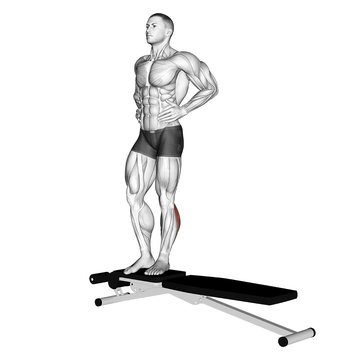
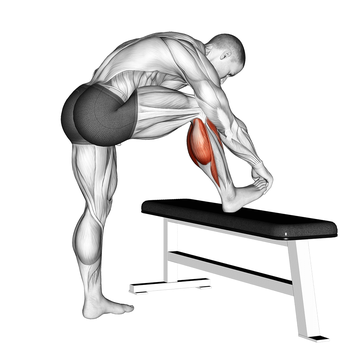
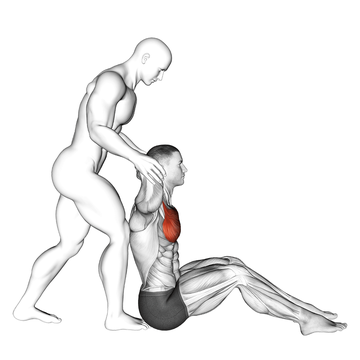
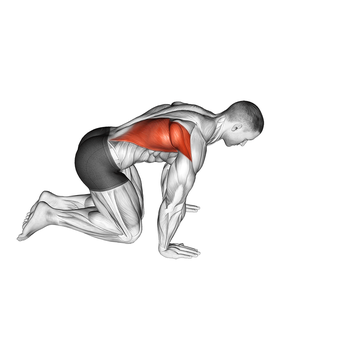
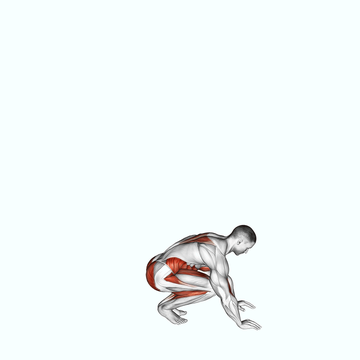
All Fours Squad Stretch
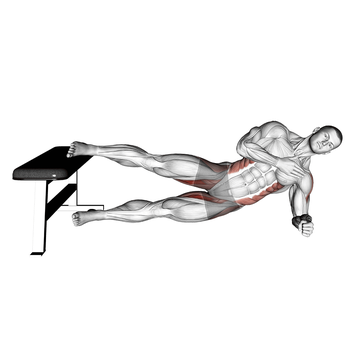
Core stability for spine protection.
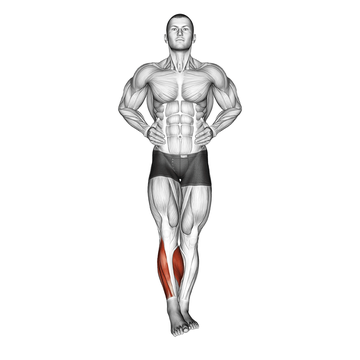
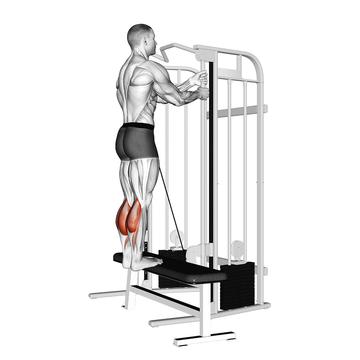
Cable Standing Calf Raise
Achilles and ankle resilience.
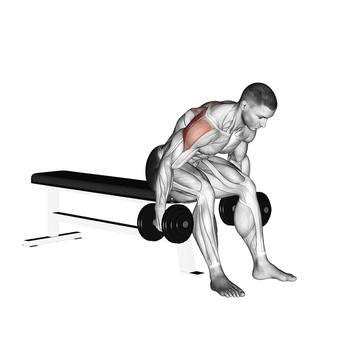
Dumbbell Rear Fly
Upper back balance to prevent shoulder and neck issues.
The Complete 2-3 days Program
Follow this program consistently for best results. Start with weights that feel manageable and aim to increase gradually each week as you get stronger.


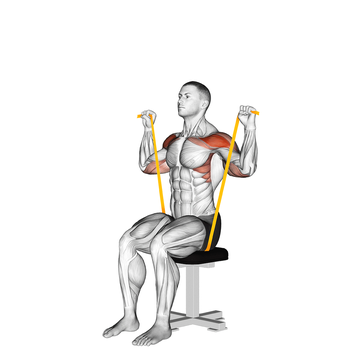
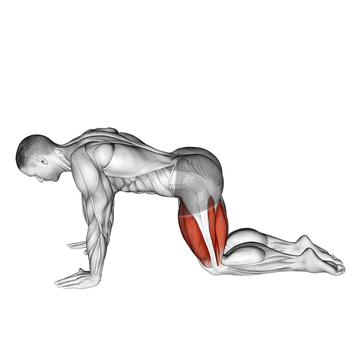
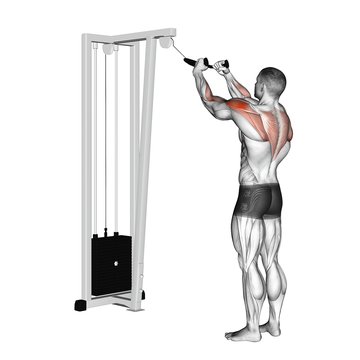
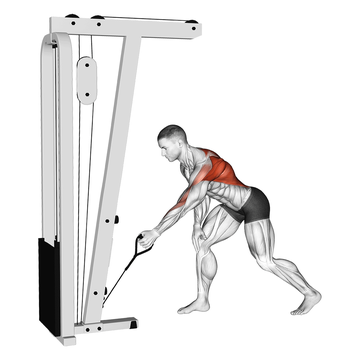

Want a program built for you?
Osteo Strength creates a personalized program based on your equipment, limitations, and bone health goals.
Create Your Program30 secBuilding Injury-Resistant Strength
- Focus on commonly injured areas: shoulders, lower back, knees, ankles.
- Include single-leg and single-arm work for balance.
- Progress gradually—rushed progression causes the injuries you're trying to prevent.
- Don't neglect "boring" exercises—they're often the most important.
- Consistency matters more than intensity for prehab.
- Address imbalances between left and right, front and back.
Frequently Asked Questions
What are the most common preventable injuries?
Shoulder impingement, lower back pain, knee issues, and ankle sprains are common and often preventable with proper strength training.
How is this different from regular strength training?
Injury prevention emphasizes balance, stability, and weak point strengthening rather than maximum strength or size. The exercise selection targets common problem areas.
I already have an injury. Can I do this?
This program is for prevention, not rehabilitation. If you're currently injured, work with a healthcare professional on a rehab program first.
How long until I see benefits?
Tissue adaptation takes time. Consistency over 8-12 weeks builds meaningful resilience. The key is preventing injuries that would otherwise happen.
Should athletes do injury prevention training?
Absolutely. Athletes face higher injury risk and benefit greatly from prehab. Many professional teams include injury prevention in their programs.
Get a Free Personalized Program
Every body is different. Osteo Strength will build a strength program tailored to your exact needs: