Strength Training for Hiking
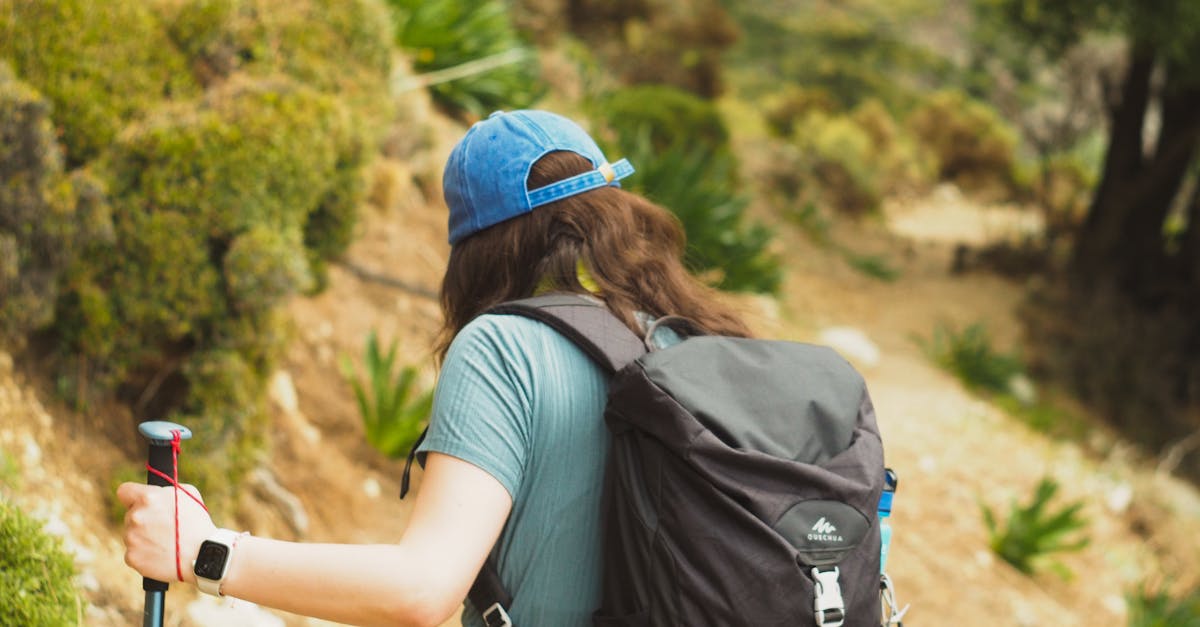
Hiking demands more from your body than walking—especially when you add elevation, uneven terrain, and a loaded pack. Strong legs prevent the knee pain and fatigue that ruin trips. Core stability keeps you balanced on tricky terrain. This program builds the trail-specific strength that lets you enjoy longer, more challenging hikes with less fatigue and lower injury risk.
Strength for the Trail
Hiking is essentially thousands of single-leg steps, often under load. Each step requires your leg to stabilize and drive you upward. Weak quads, glutes, or stabilizers mean fatigue, knee pain, and increased fall risk on technical terrain.
Downhill is often harder than uphill. Your quads work eccentrically to control descent, which creates more muscle damage than climbing. Training eccentric strength prepares you for descents that would otherwise leave you crippled with soreness.
Core stability matters on uneven terrain. Every rock and root requires your core to adjust and maintain balance. A strong core reduces energy expenditure and keeps you stable when footing gets sketchy.
Benefits for Hikers
Longer Hikes
Stronger muscles fatigue slower, letting you cover more ground.
Less Knee Pain
Strong quads and glutes protect your knees on descents.
Better Balance
Single-leg strength and core stability reduce fall risk.
Faster Recovery
Trained muscles handle the stress with less post-hike soreness.
Heavier Pack Capacity
Strong legs handle backpacking loads more easily.
Steeper Terrain
Tackle more challenging trails with confidence.
Program Overview
Who it's for: Hikers and backpackers preparing for trails
Want a program built for you?
Osteo Strength creates a personalized program based on your equipment, limitations, and bone health goals.
Create Your Program30 secWhy These Exercises?
Each exercise in this program was selected for a specific reason. Here's why:
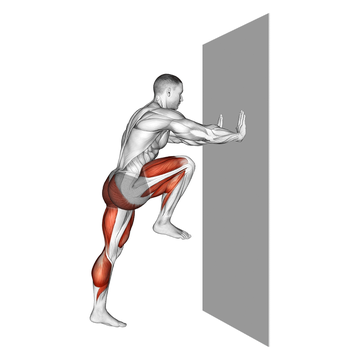
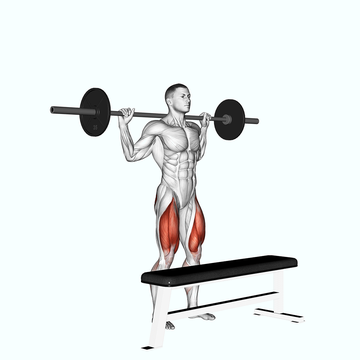
Barbell Step-up
Directly mimics the hiking motion. Single-leg strength and power.
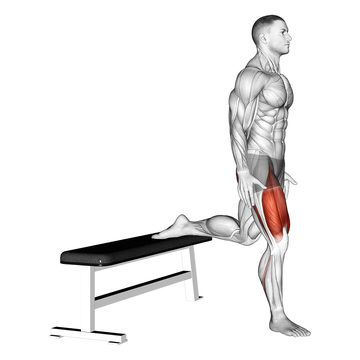
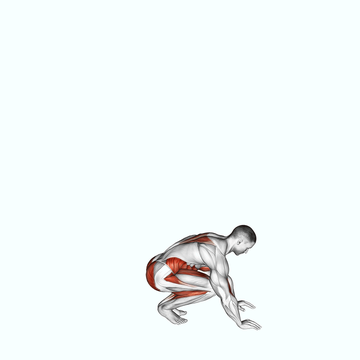
Dumbbell Rear Lunge
Single-leg strength with balance challenge. Glute and quad emphasis.
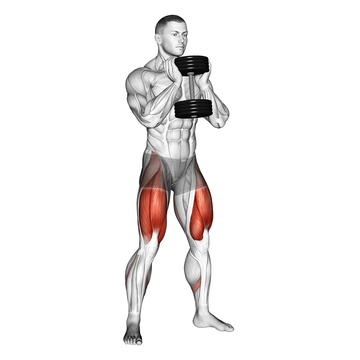
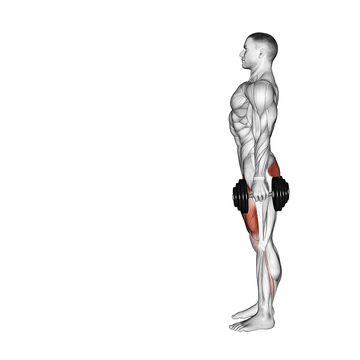
Dumbbell Goblet Squat
Foundational leg strength. Quad and glute development.
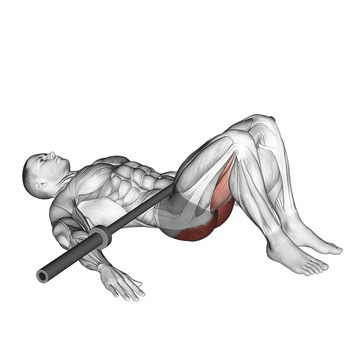
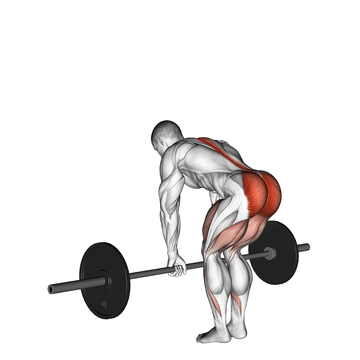
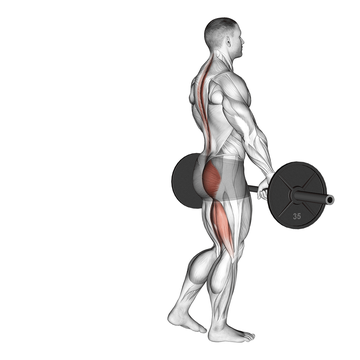
Barbell Romanian Deadlift
Hamstring and glute strength for uphill pushing power.
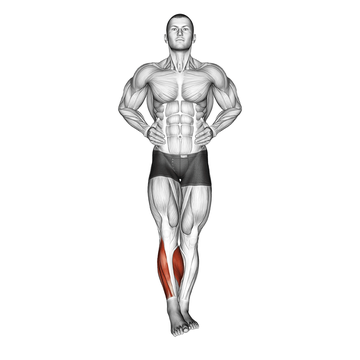
Cable Standing Calf Raise
Calf endurance for constant ankle work on trails.
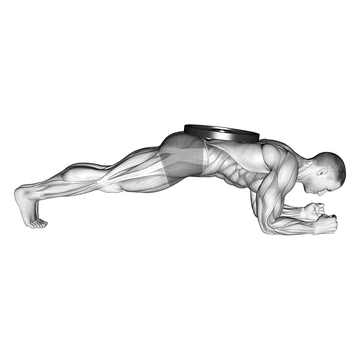
Weighted Front Plank
Core stability for balance and pack carrying.
The Complete 2-3 days Program
Follow this program consistently for best results. Start with weights that feel manageable and aim to increase gradually each week as you get stronger.
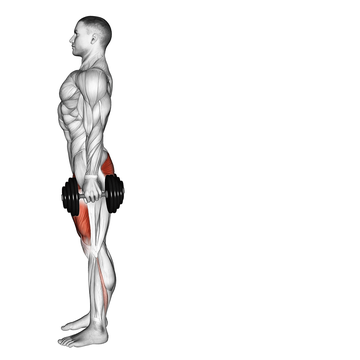
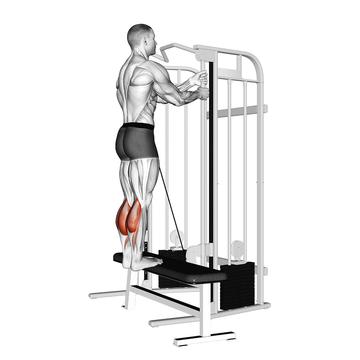
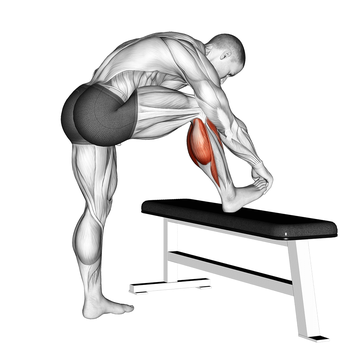
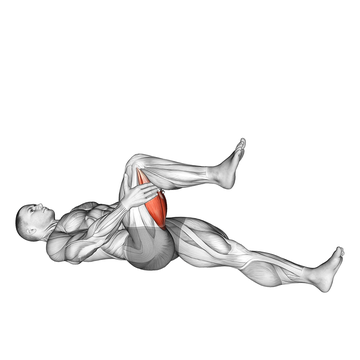
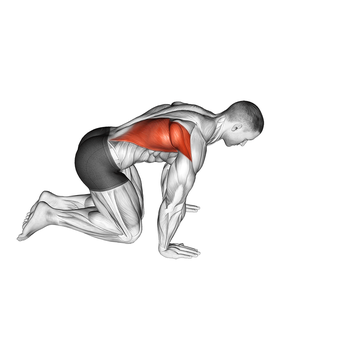
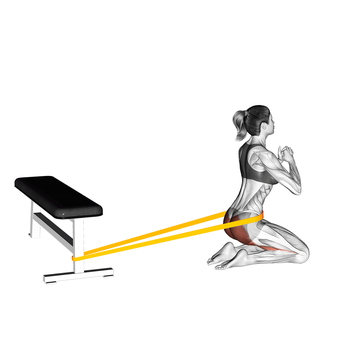
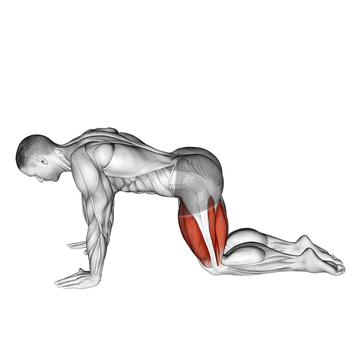
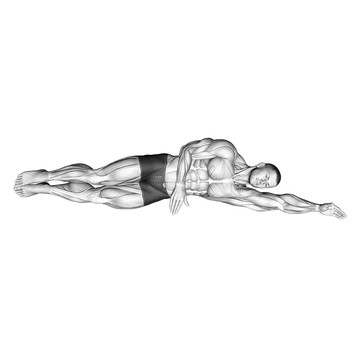
Want a program built for you?
Osteo Strength creates a personalized program based on your equipment, limitations, and bone health goals.
Create Your Program30 secPreparing for the Trail
- Start training 6-8 weeks before a big hike for meaningful adaptation.
- Emphasize single-leg work—hiking is mostly one leg at a time.
- Include eccentric training (slow lowering) for downhill preparation.
- Train with a weighted pack occasionally to simulate trail conditions.
- Don't neglect calves—they work constantly on uneven terrain.
- Include step-downs (reverse step-ups) for downhill-specific strength.
Frequently Asked Questions
When should I start training before a big hike?
6-8 weeks minimum for noticeable improvement. 12 weeks is better for significant adaptation, especially for multi-day backpacking trips.
Should I train with my pack?
Occasionally, yes. Wear your loaded pack during some step-ups or stair workouts. This builds pack-specific strength and conditions your shoulders.
Why do my knees hurt on downhills?
Weak quads can't control descent smoothly, putting stress on knee joints. Strengthen quads with squats, step-downs, and eccentric training.
Is cardio or strength more important for hiking?
Both matter. Cardiovascular fitness helps with sustained effort; strength prevents injury and local muscle fatigue. Train both.
What about ankle strength?
Important for stability. Calf raises build strength; single-leg balance work builds stability. Consider wobble board training if available.
Get a Free Personalized Program
Every body is different. Osteo Strength will build a strength program tailored to your exact needs: