Strength Training for Flexibility
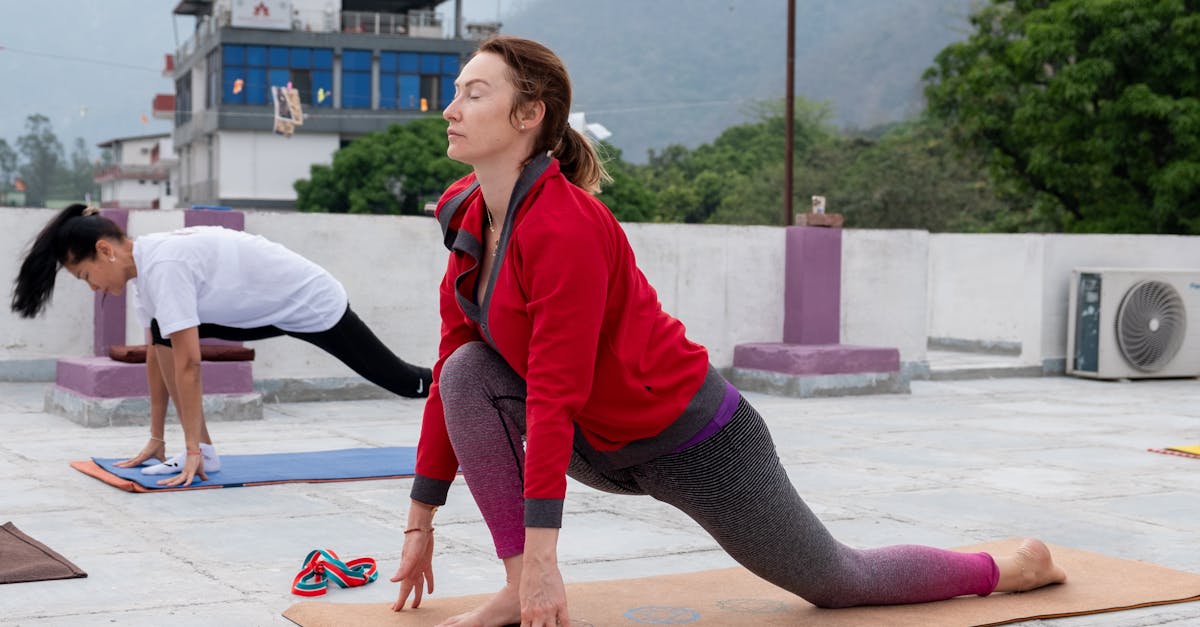
Strength and flexibility aren't opposites—they're partners. Full range of motion strength training improves flexibility while building muscle. Strong muscles through a long range are more functional, more resistant to injury, and create better movement quality. This program develops both strength and flexibility simultaneously.
Why Strength Improves Flexibility
Muscles you control through a range of motion are safer than muscles you can only stretch into. Active flexibility—strength through your full range—gives you usable mobility that passive stretching alone can't provide.
Strength training through full range lengthens muscles under tension. Deep squats, Romanian deadlifts, and full range pressing all train muscle fibers at long lengths, improving flexibility as a byproduct of strength work.
Weak muscles often cause tightness. Your nervous system restricts range of motion when it doesn't trust your strength to control it. Building strength in end ranges reduces this protective tension.
Benefits of Strength-Based Flexibility
Usable Mobility
Flexibility you can actually control and use.
Injury Prevention
Strong muscles through full range resist strains and tears.
Better Movement
Improved quality in all physical activities.
Reduced Tightness
Less chronic tension when muscles are strong through range.
Time Efficiency
Build strength and flexibility in the same workout.
Lasting Results
Active flexibility is more permanent than passive stretching.
Program Overview
Who it's for: Anyone wanting to improve both strength and flexibility
Want a program built for you?
Osteo Strength creates a personalized program based on your equipment, limitations, and bone health goals.
Create Your Program30 secWhy These Exercises?
Each exercise in this program was selected for a specific reason. Here's why:
Dumbbell Goblet Squat
Deep squatting improves hip, ankle, and thoracic mobility.
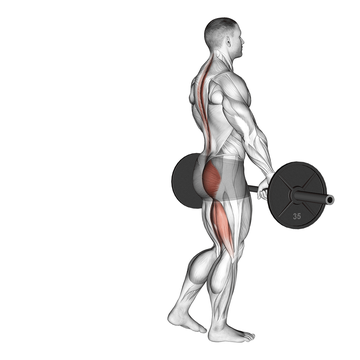
Barbell Romanian Deadlift
Hamstring lengthening under load for active flexibility.
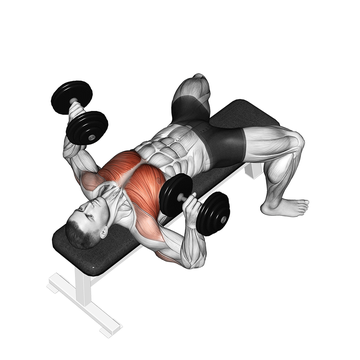
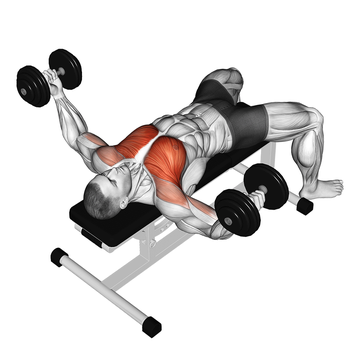
Dumbbell Fly
Chest stretch under tension for shoulder mobility.
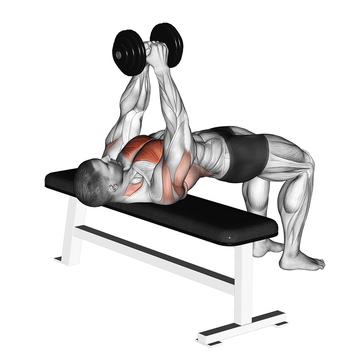
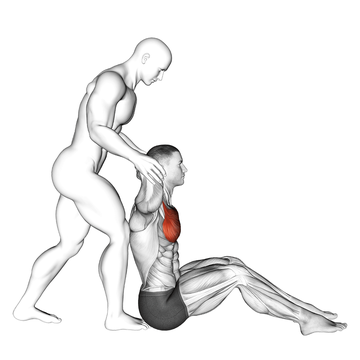
Dumbbell Pullover
Lat and chest stretch with loading.
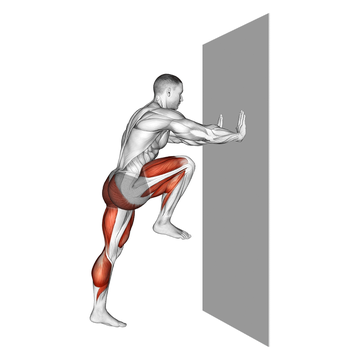
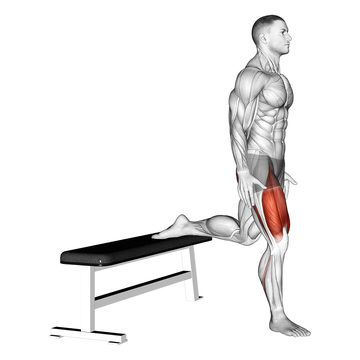
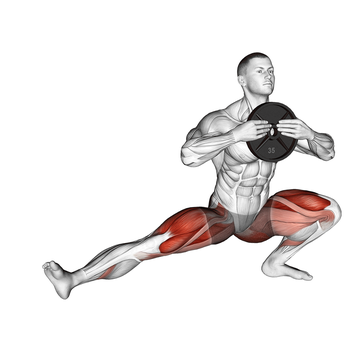
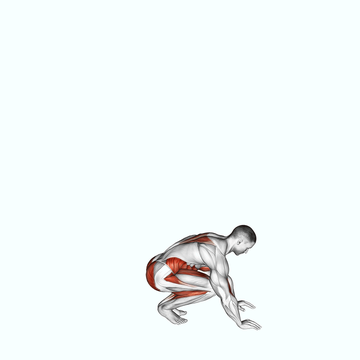
Dumbbell Rear Lunge
Hip flexor lengthening with strength development.
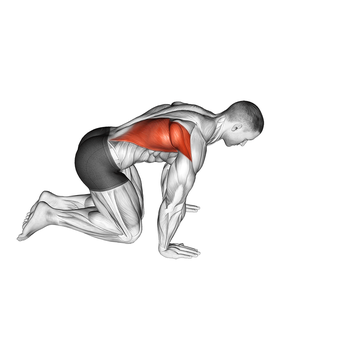
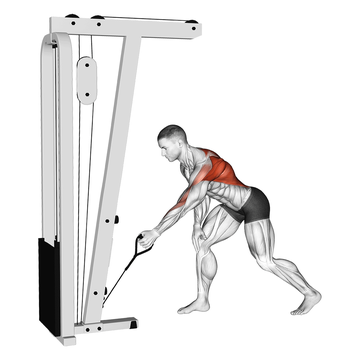
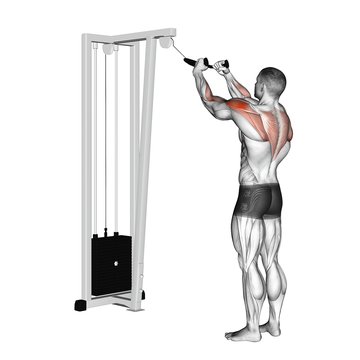
Cable Rear Delt Row (with Rope)
External rotation for shoulder mobility and health.
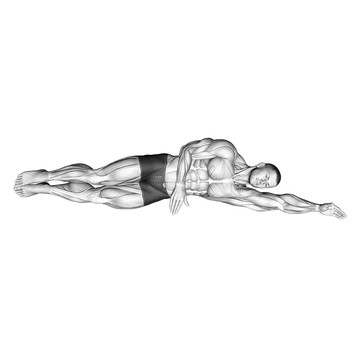
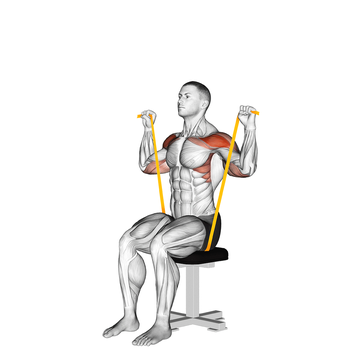
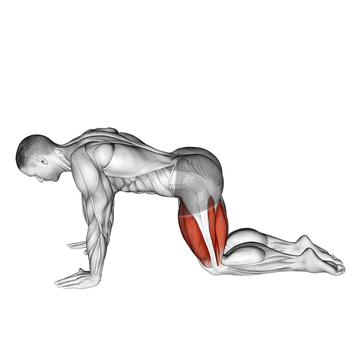
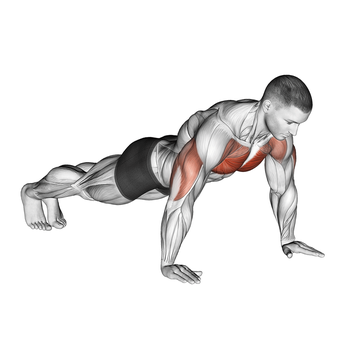
The Complete 3 days Program
Follow this program consistently for best results. Start with weights that feel manageable and aim to increase gradually each week as you get stronger.
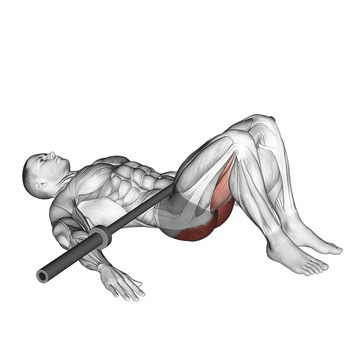
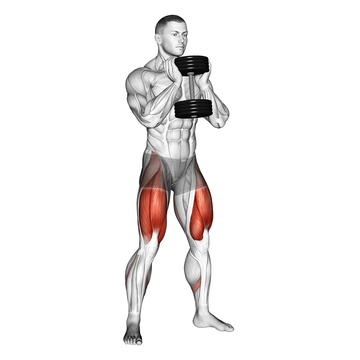
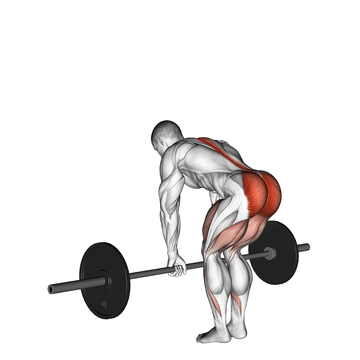
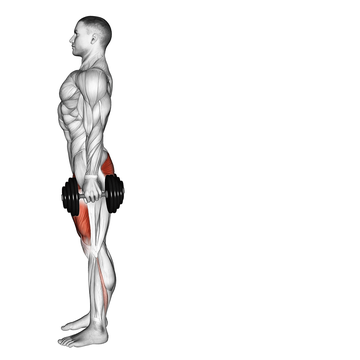
Want a program built for you?
Osteo Strength creates a personalized program based on your equipment, limitations, and bone health goals.
Create Your Program30 secBuilding Flexible Strength
- Prioritize full range of motion over heavy weight.
- Control the entire movement, especially the stretched position.
- Pause briefly at the bottom of movements to build end-range strength.
- Breathe into stretched positions rather than holding your breath.
- Combine this training with dedicated mobility work for best results.
- Progress gradually—range of motion improvements take time.
Frequently Asked Questions
Should I stretch before or after strength training?
Dynamic stretching before, static stretching after. Or skip static stretching entirely if your strength training uses full range of motion.
Will strength training make me less flexible?
Only if you train with limited range of motion. Full range strength training actually improves flexibility.
How deep should I squat?
As deep as you can with good form. Work to increase depth over time. Full depth isn't required immediately.
My hamstrings are tight. Will Romanian deadlifts help?
Yes. RDLs strengthen hamstrings through their full length, improving both strength and flexibility. Start light and progress gradually.
How long until I see flexibility improvements?
Range of motion improvements can begin within 2-4 weeks. Significant lasting changes typically take 6-12 weeks of consistent training.
Get a Free Personalized Program
Every body is different. Osteo Strength will build a strength program tailored to your exact needs: