Active Recovery Workout
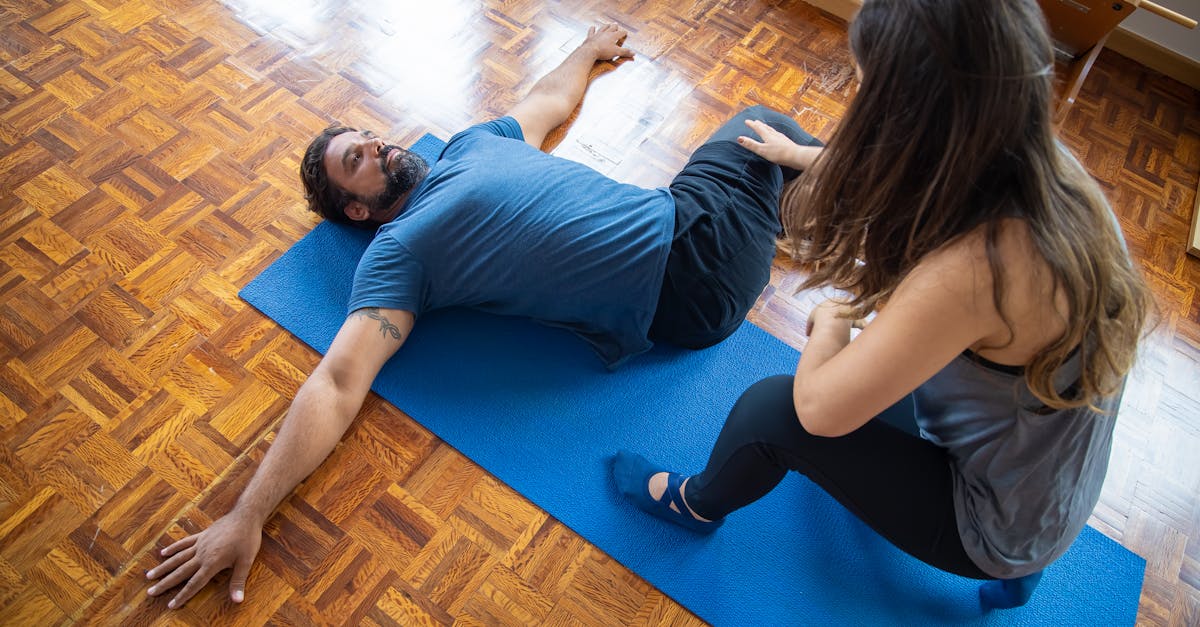
Rest days don't have to mean sitting still. Active recovery—light movement on off days—actually speeds recovery more than complete rest. Gentle exercise increases blood flow to sore muscles, reduces stiffness, and maintains the habit of daily movement. This program shows you how to recover actively without compromising your next workout.
How Active Recovery Works
Light movement increases blood flow to damaged muscle tissue. This delivers nutrients needed for repair and removes metabolic waste products that contribute to soreness.
Active recovery maintains mobility. After hard training, muscles tend to tighten up. Gentle movement keeps them moving through their full range, preventing the stiffness that builds up with complete rest.
The key is keeping intensity very low. Active recovery should feel easy—you should finish feeling better than when you started. If you're sore or tired afterward, you went too hard.
Benefits of Active Recovery
Faster Recovery
Increased blood flow speeds muscle repair.
Reduced Soreness
Light movement decreases DOMS (delayed onset muscle soreness).
Maintained Mobility
Keep range of motion that tightens up with rest.
Mental Refresh
Light movement improves mood and mental state.
Habit Maintenance
Daily movement keeps your training habit strong.
Better Next Workout
Walk into your next session feeling ready.
Program Overview
Who it's for: Anyone wanting to optimize recovery between hard workouts
Want a program built for you?
Osteo Strength creates a personalized program based on your equipment, limitations, and bone health goals.
Create Your Program30 secWhy These Exercises?
Each exercise in this program was selected for a specific reason. Here's why:
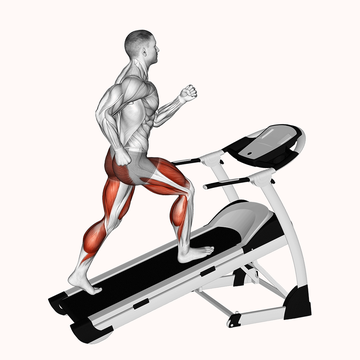
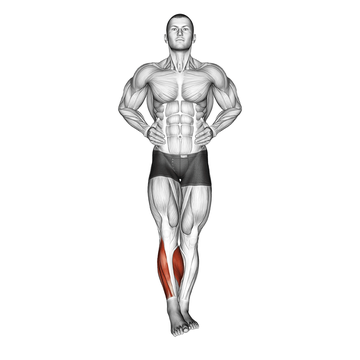
Walking On Incline Treadmill
Simple movement that increases blood flow without stress.
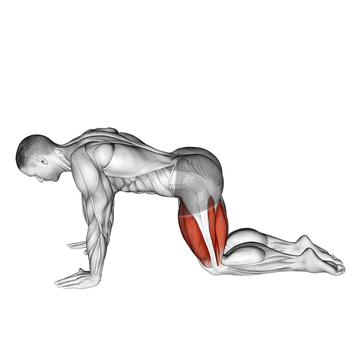
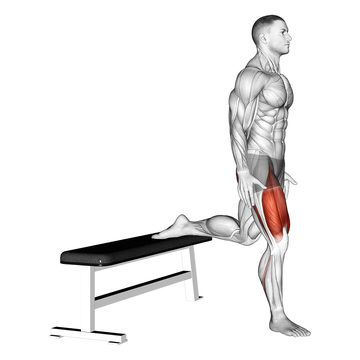
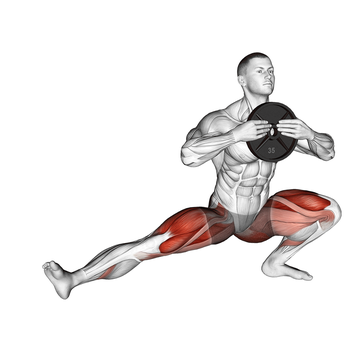
All Fours Squad Stretch
Spinal mobility to counter training-induced stiffness.
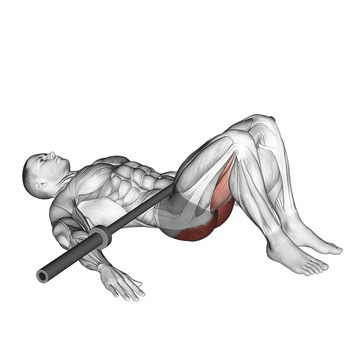
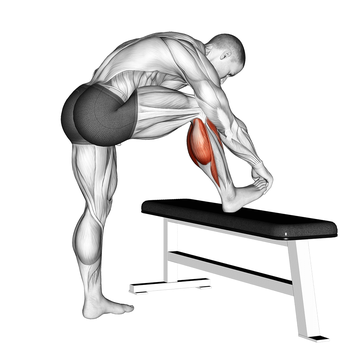
Barbell Glute Bridge
Light glute activation without loading.
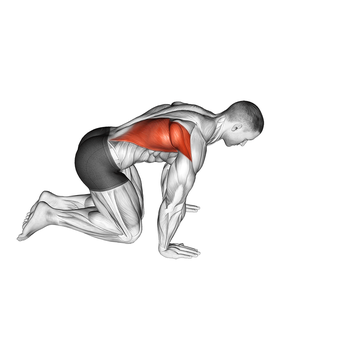
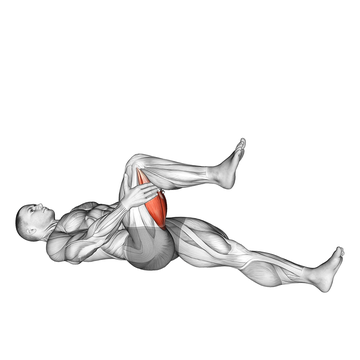
All Fours Squad Stretch
Core engagement and full body coordination.
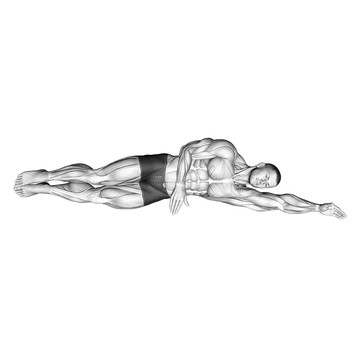
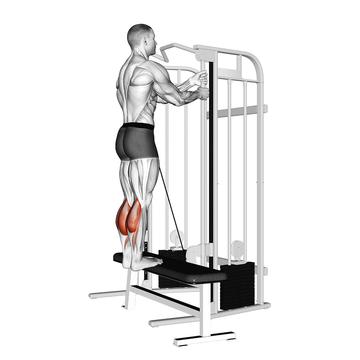
Ankle Circles
Shoulder mobility and upper body blood flow.
Ankle Circles
Hip mobility and leg blood flow.
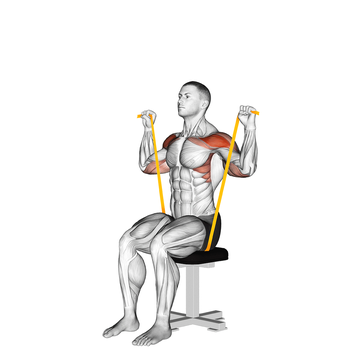
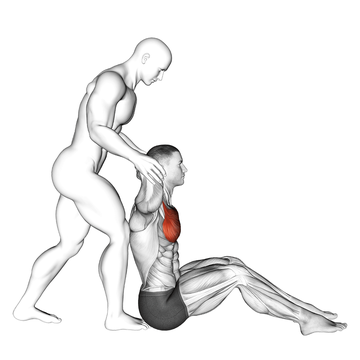
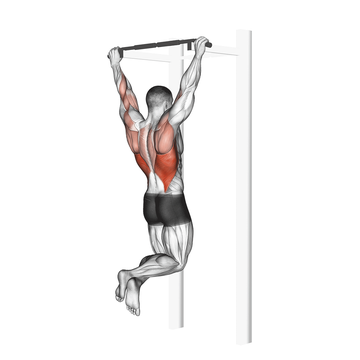
The Complete 1-3 days (on rest days) Program
Follow this program consistently for best results. Start with weights that feel manageable and aim to increase gradually each week as you get stronger.
Want a program built for you?
Osteo Strength creates a personalized program based on your equipment, limitations, and bone health goals.
Create Your Program30 secEffective Active Recovery
- Keep intensity very low—RPE 3-4 out of 10 maximum.
- You should feel better after than before.
- If you're still sore or tired after, you went too hard.
- Include areas that feel tight or sore from recent training.
- Hydrate well—water is essential for recovery.
- Don't skip rest days entirely—active recovery supplements rest, not replaces it.
Frequently Asked Questions
Is active recovery necessary?
Not necessary, but beneficial. Complete rest works too, but active recovery can speed the process and keep you feeling better.
Can I do cardio as active recovery?
Yes, but keep it very light. Easy walking, swimming, or cycling at conversational pace. If you're breathing hard, it's not recovery.
How do I know if I'm going too hard?
If you feel worse after than before, or if you're still sore or tired, you pushed too hard. Active recovery should feel restorative.
Can active recovery replace rest days?
No. Your body still needs genuine rest. Active recovery makes rest days more effective, but can't replace them entirely.
What about foam rolling?
Foam rolling can be part of active recovery. Keep it moderate—you're trying to relax muscles, not cause additional stress.
Get a Free Personalized Program
Every body is different. Osteo Strength will build a strength program tailored to your exact needs: