Strength Training for Boxing
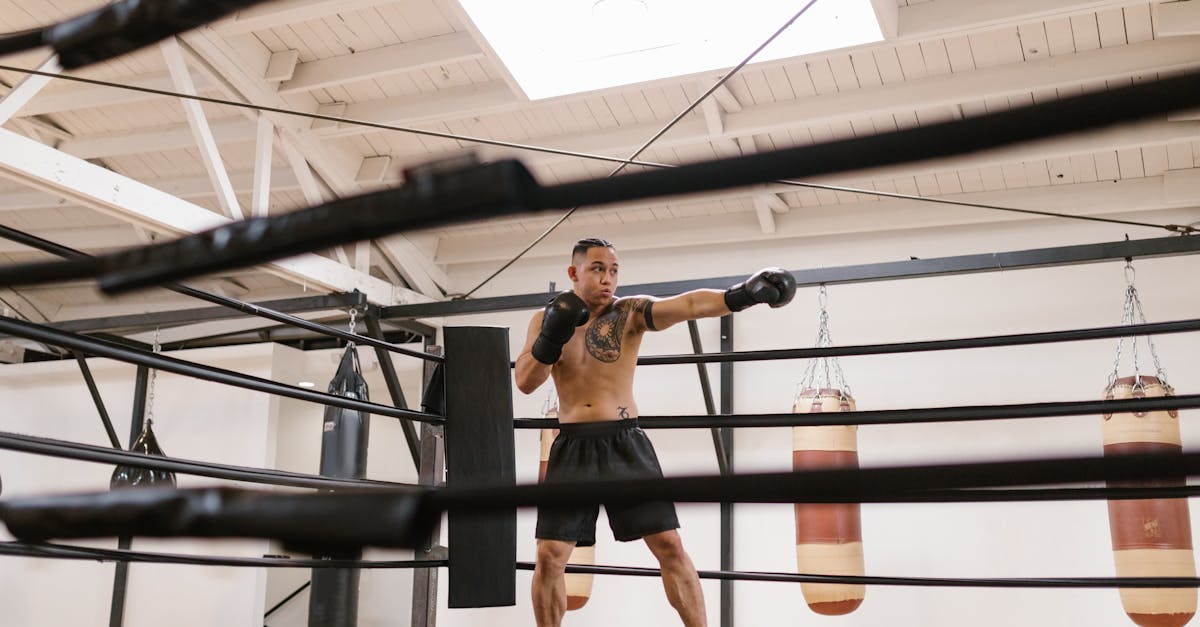
Boxing is a sport of controlled explosions—every punch is a full-body power movement, delivered dozens of times per round for up to twelve rounds. This program builds the explosive power for knockout punches, the rotational strength that generates force, and the muscular endurance to maintain punch output when others fade. Whether you're competing or training for fitness, this program makes every punch count.
Why Boxers Need Strength Training
Punching power comes from the ground up: legs drive into the floor, hips rotate, core transfers force, and the arm delivers it. Stronger legs and core mean more force generation. The arm is just the final link in this power chain.
Boxing is one of the most demanding sports on muscular endurance. Your shoulders must throw hundreds of punches, your legs must move constantly, your core must rotate repeatedly. Strength training builds the work capacity to maintain output through late rounds.
The sport's physical demands create specific injury patterns: shoulders from punching, neck from absorbing punches, core from rotation. Targeted strength training builds the resilience to handle these demands without breaking down.
Benefits for Boxers
Increased Punching Power
Stronger legs, hips, and core translate to harder hitting.
Better Endurance
Muscular conditioning to maintain punch output through late rounds.
Improved Defensive Movement
Strong legs for quick defensive footwork and angles.
Injury Prevention
Balanced strength protects shoulders, neck, and core from boxing's demands.
Faster Recovery
Conditioned muscles recover faster between rounds and between sessions.
Ring Longevity
Physical conditioning allows you to train and compete for years.
Program Overview
Who it's for: Boxers looking to improve power and ring conditioning
Want a program built for you?
Osteo Strength creates a personalized program based on your equipment, limitations, and bone health goals.
Create Your Program30 secWhy These Exercises?
Each exercise in this program was selected for a specific reason. Here's why:
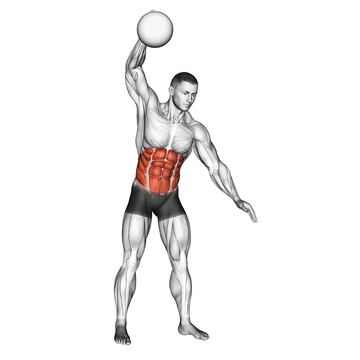
One Arm Slam (with Medicine Ball)
Directly trains the rotational power that generates punching force.
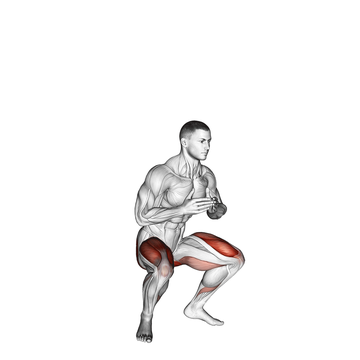
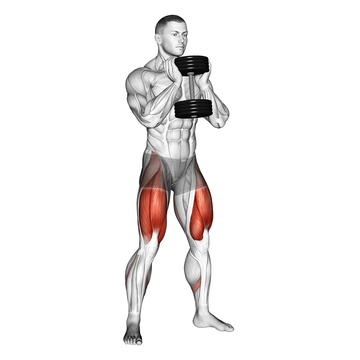
Dumbbell Goblet Squat
Leg strength for the push-off that starts every powerful punch.
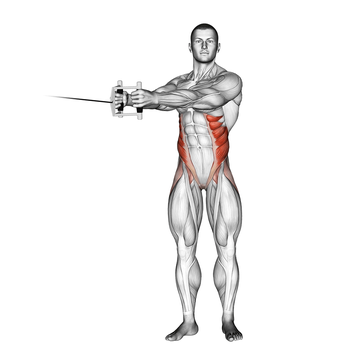
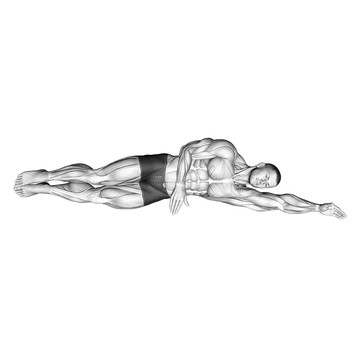
Cable Twist
Rotational power through the full range of hip rotation.
Push-up
Pushing endurance directly relevant to high-volume punching.
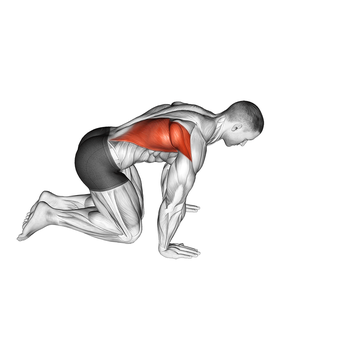
Pull-up
Pulling strength for clinch work and maintaining guard position.
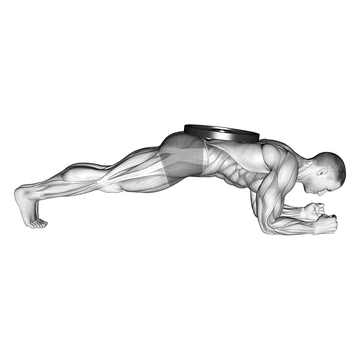
Weighted Front Plank
Core stability to transfer power and absorb body shots.
The Complete 2-3 days Program
Follow this program consistently for best results. Start with weights that feel manageable and aim to increase gradually each week as you get stronger.
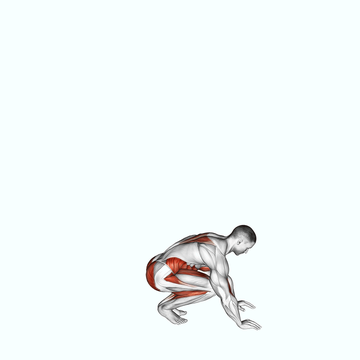
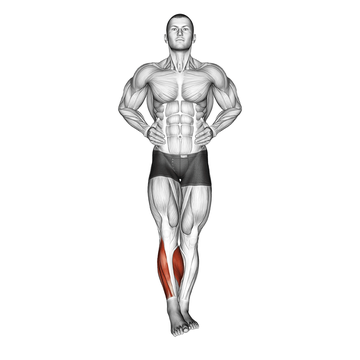
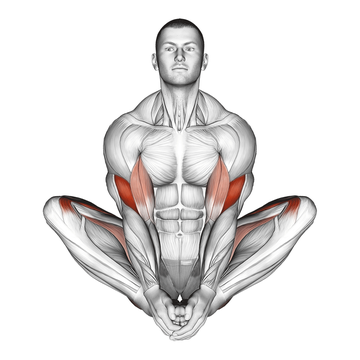
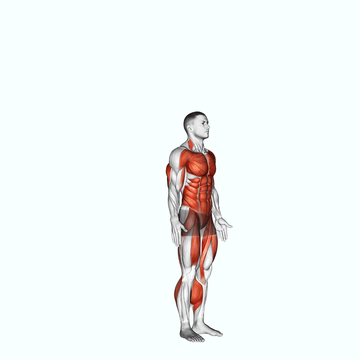
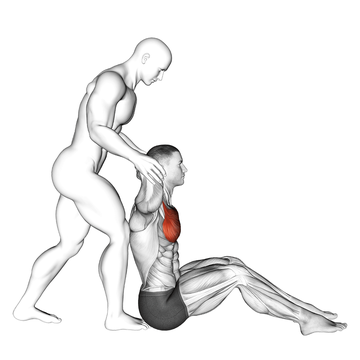
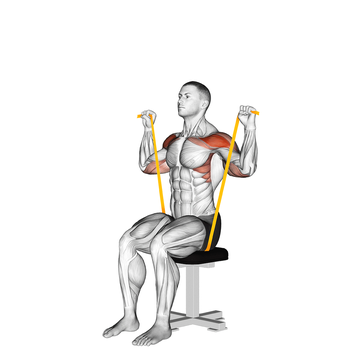
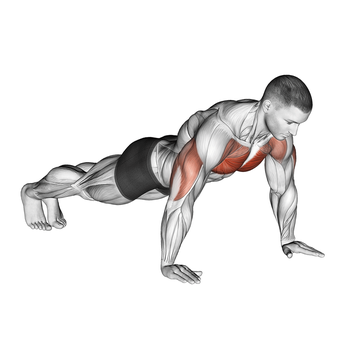
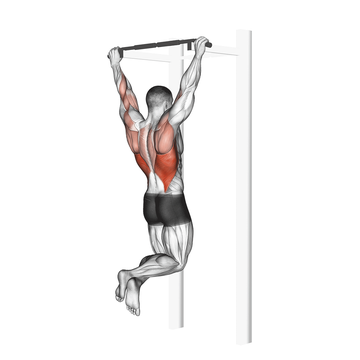
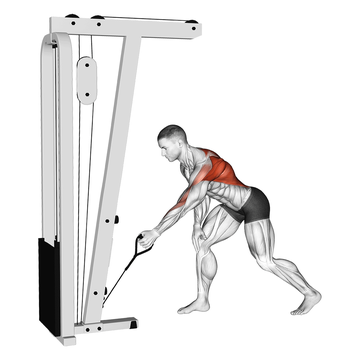
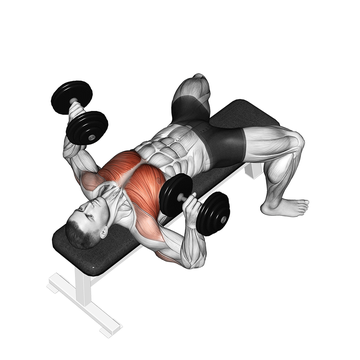
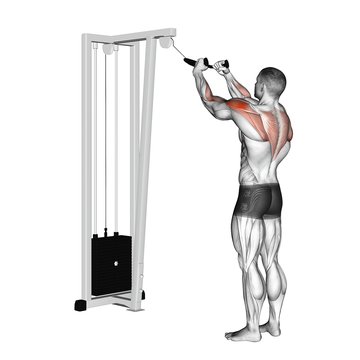
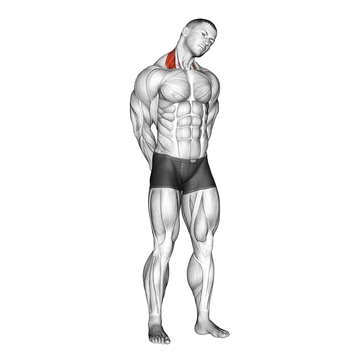
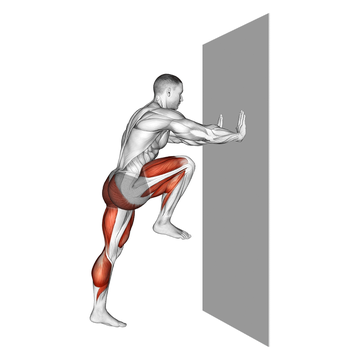
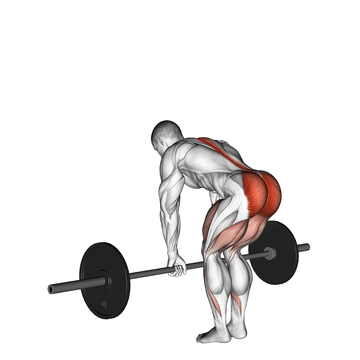
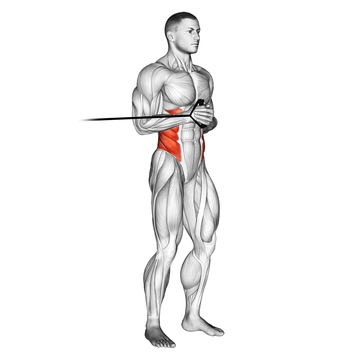
Want a program built for you?
Osteo Strength creates a personalized program based on your equipment, limitations, and bone health goals.
Create Your Program30 secTraining for Boxing
- Explosive movements should be performed when fresh. Do them at the start of workouts.
- Don't chase heavy weights. Boxing rewards power and endurance, not maximum strength.
- Train both sides on rotational movements to maintain balance.
- Never lift heavy before sparring or competition. Schedule intensity carefully.
- Include neck strengthening—it protects against concussion.
- Recovery is crucial. Boxing training is already demanding; don't overtrain in the gym.
Frequently Asked Questions
Will lifting weights make me slow?
No—this program emphasizes explosive movements that increase speed. The goal is power (force × velocity), not maximum strength alone. You'll punch faster and harder.
How important is shoulder endurance?
Critical. Your shoulders must throw hundreds of punches per training session. This program builds shoulder endurance through push-ups and other high-rep work.
Should I lift before or after boxing training?
After boxing, or on separate days. Explosive work requires freshness. Never do heavy lifting before technical boxing work or sparring.
What about running?
Roadwork builds aerobic base. This strength program is separate but complementary. Include both in your training.
When will I notice improvements?
Power improvements typically appear after 6-8 weeks. The conditioning benefits begin immediately. Partners often notice increased punching power before you do.
Get a Free Personalized Program
Every body is different. Osteo Strength will build a strength program tailored to your exact needs: