Strength Training for Basketball
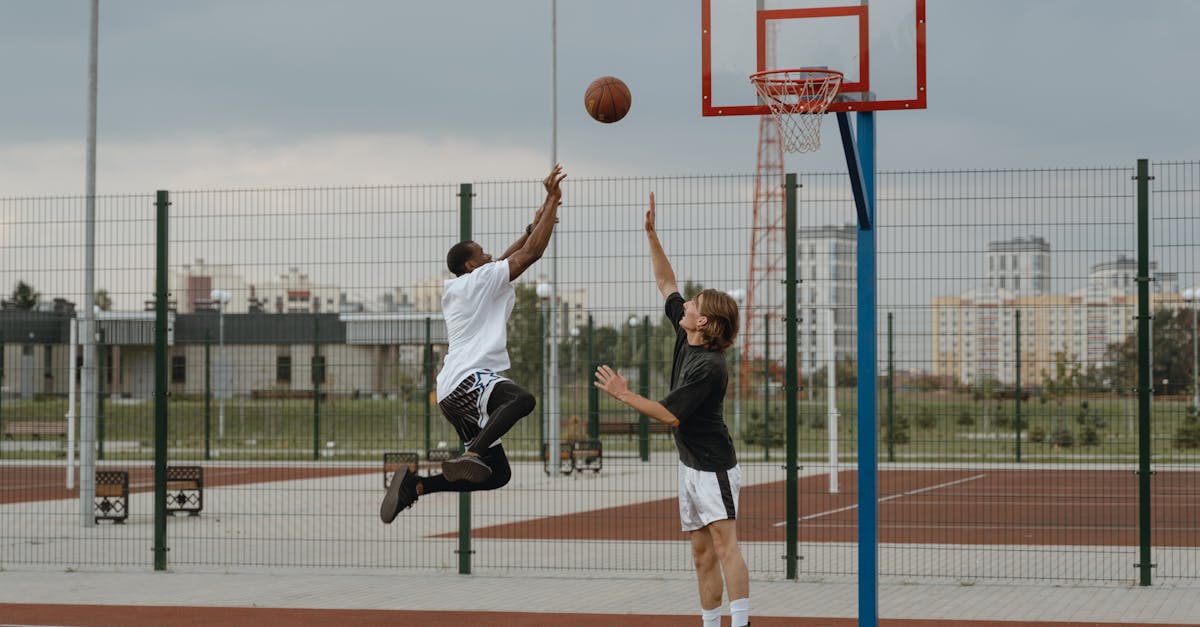
Basketball demands explosive power, sustained endurance, and the strength to compete physically for 48 minutes. This program builds the vertical leap for rebounds and dunks, the core strength for contact in the paint, and the leg power for quick cuts and defensive slides. Whether you're playing pickup games or competitive ball, the strength you build here will show up on the court.
Why Basketball Players Need Strength Training
Vertical leap is largely determined by lower body power. While skill and timing matter, the physical ability to generate force quickly against the ground is what gets you above the rim. Strength training, specifically explosive training, directly improves this capacity.
Basketball involves constant contact—fighting for position, finishing through fouls, setting screens. Stronger players maintain their position and finish plays that weaker players can't. Core and leg strength let you hold your ground.
The season is long and the game is demanding. Lower body injuries—ankles, knees, hamstrings—are common. Strength training builds the muscular support that protects joints from the repetitive jumping, cutting, and landing that basketball requires.
Benefits for Basketball Players
Higher Vertical Leap
Explosive leg strength directly increases your jumping ability.
Better Physicality
Strength to finish through contact and hold position in the post.
Quicker First Step
Explosive power for faster acceleration past defenders.
Injury Prevention
Strong muscles protect knees and ankles from the demands of jumping and cutting.
Stamina
Maintain physical performance through the fourth quarter and late in the season.
Durability
Withstand the 82-game season or tournament schedule without breaking down.
Program Overview
Who it's for: Basketball players looking to improve explosiveness and durability
Want a program built for you?
Osteo Strength creates a personalized program based on your equipment, limitations, and bone health goals.
Create Your Program30 secWhy These Exercises?
Each exercise in this program was selected for a specific reason. Here's why:
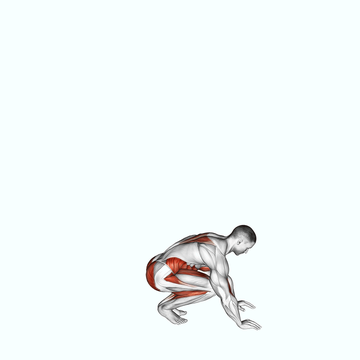
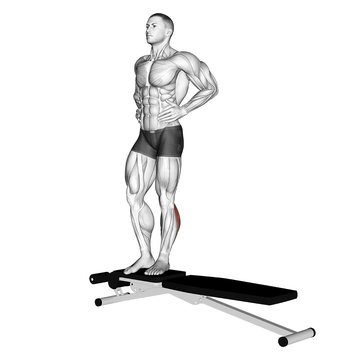
Box Jump Down With One Leg Stabilization
Develops explosive power for higher vertical leap and faster cuts.
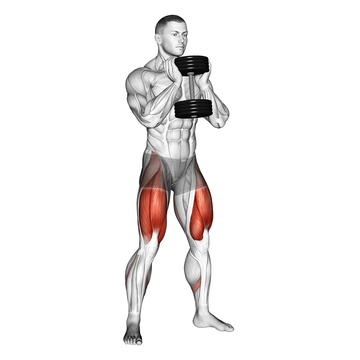
Dumbbell Goblet Squat
Builds leg strength and depth that translates to jumping and defensive stance.
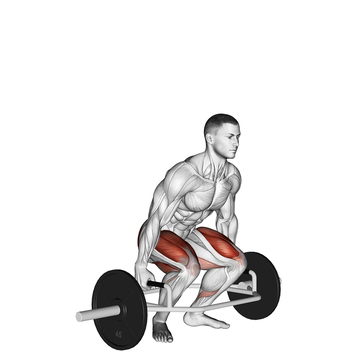
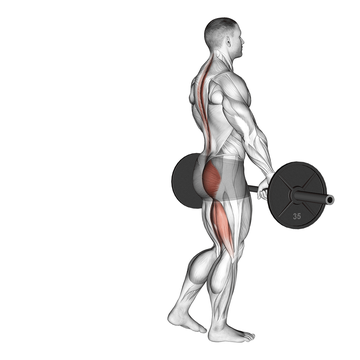
Trap Bar Deadlift
Posterior chain power for jumping and acceleration. Joint-friendly alternative to conventional.
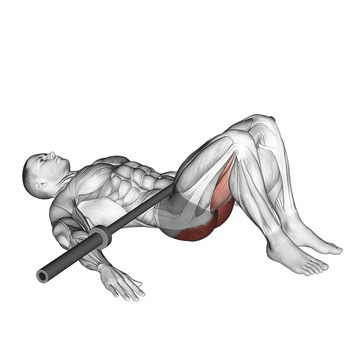
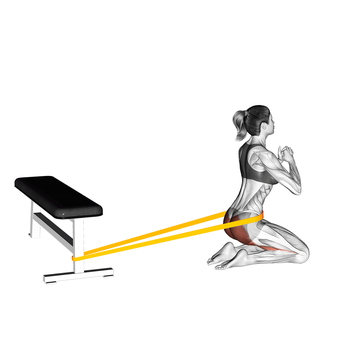
Resistance Band Hip Thrusts On Knees
Glute strength for explosive hip extension in jumping and sprinting.
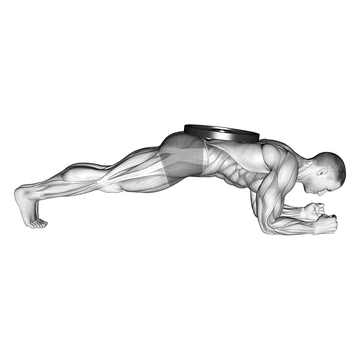
Weighted Front Plank
Core stability for contact absorption and body control in the air.
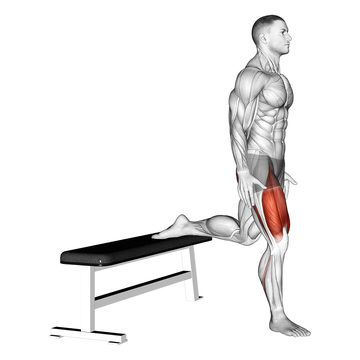
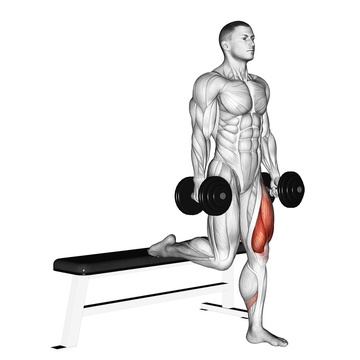
Barbell Split Squat
Single-leg strength for stability during jumping and landing.
The Complete 3 days (in-season: 2 days) Program
Follow this program consistently for best results. Start with weights that feel manageable and aim to increase gradually each week as you get stronger.
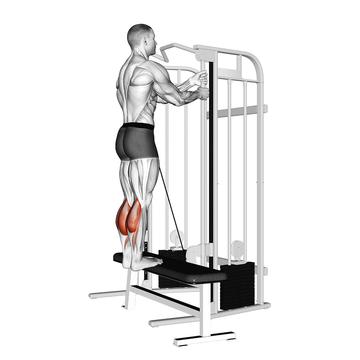
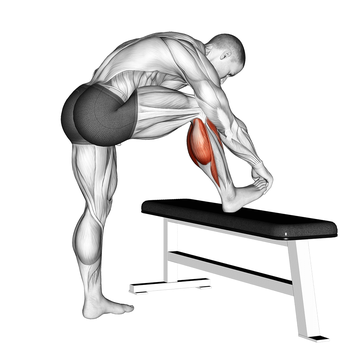
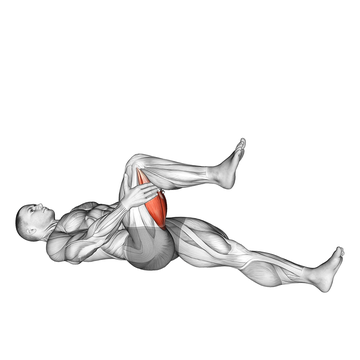
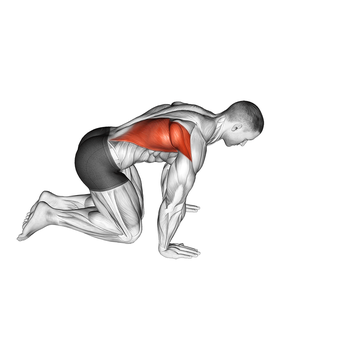
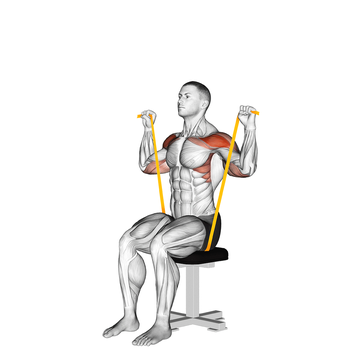
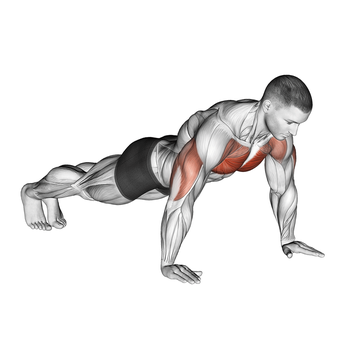
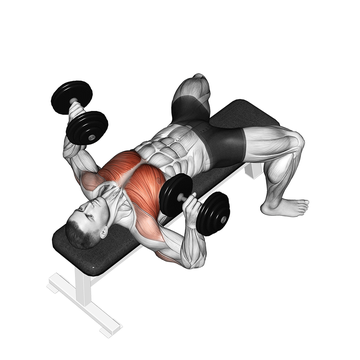
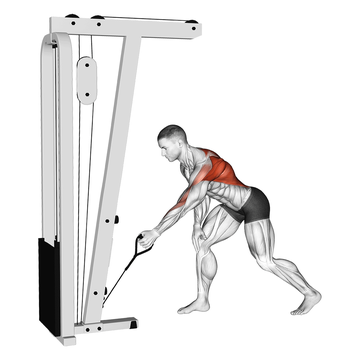
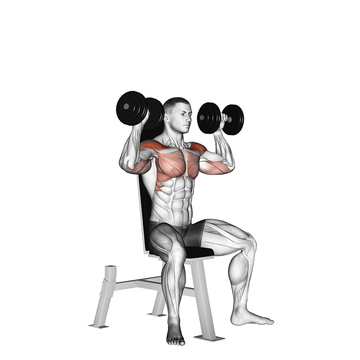
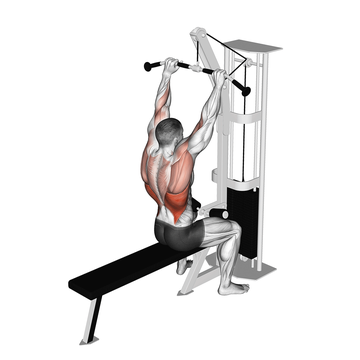
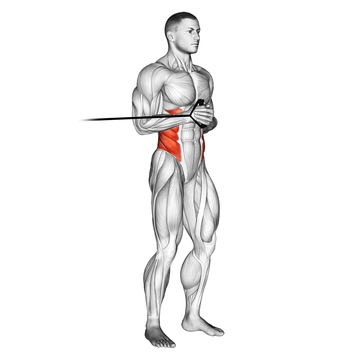
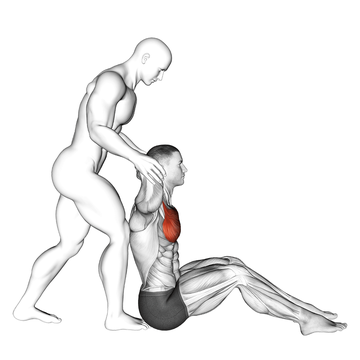
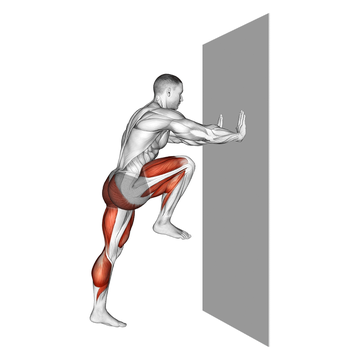
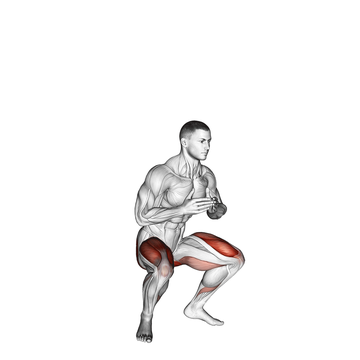
Want a program built for you?
Osteo Strength creates a personalized program based on your equipment, limitations, and bone health goals.
Create Your Program30 secTraining for Basketball
- Prioritize explosive exercises (jumps, throws) when fresh at the start of workouts.
- Heavy strength work builds the foundation; explosive work converts it to on-court power.
- Never lift heavy on game days or the day before. Schedule intensity early in the week.
- In-season, reduce volume but maintain some strength work to avoid detraining.
- Include single-leg exercises—basketball is played mostly on one leg.
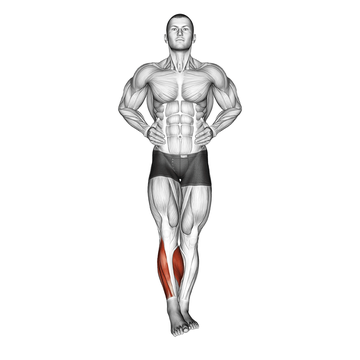
- Ankle strengthening and mobility should be regular preventive work.
Frequently Asked Questions
How much can strength training improve my vertical?
Improvements of 4-8 inches are realistic with consistent training over 12-16 weeks. Beginners may see more; trained athletes see less but meaningful gains.
Should I lift during the season?
Yes, but reduce volume. 2 sessions per week maintain strength without interfering with games. Never lift heavy before games or important practices.
Will lifting make me slow?
No—this program emphasizes explosive movements that improve speed. Heavy, slow lifting without explosive training might, but that's not what's prescribed here.
What about upper body?
Include upper body for balanced strength, but basketball is leg-dominant. Upper body work supports shooting, passing, and absorbing contact but shouldn't be the priority.
How do I avoid knee injuries?
Strong quads and hamstrings protect knees. Include single-leg work for stability. Learn to land softly from jumps. Address any mobility restrictions.
Get a Free Personalized Program
Every body is different. Osteo Strength will build a strength program tailored to your exact needs: