Strength Training for Baseball
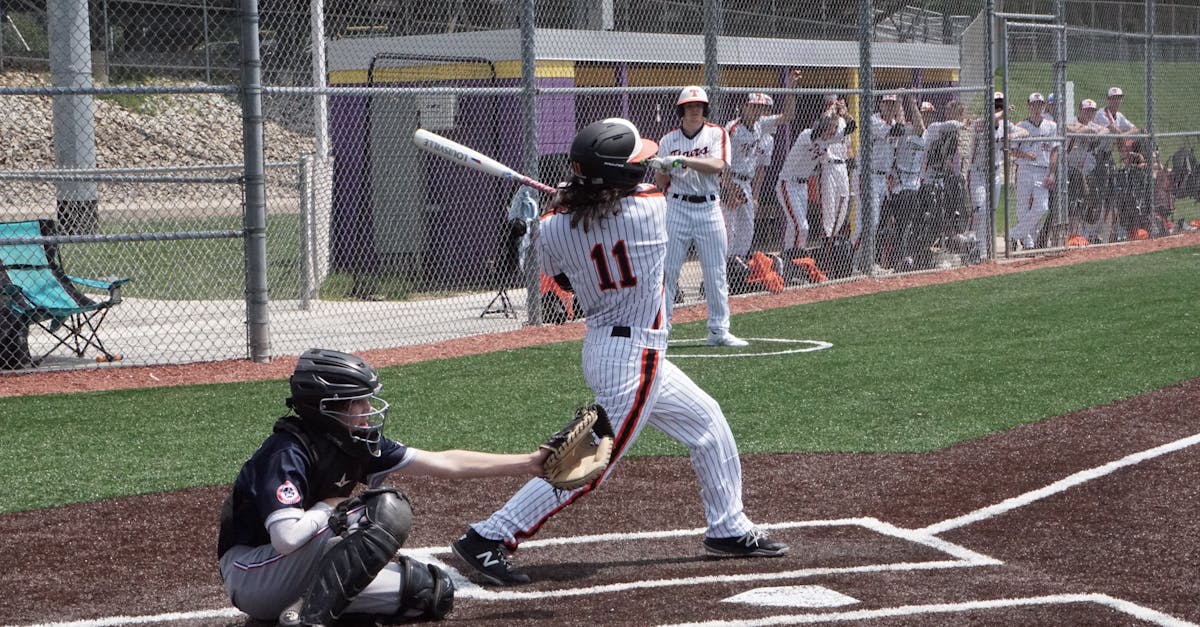
Baseball is a game of explosive power—bat speed for hitting, arm speed for throwing, and sprint speed for base running. This program develops the rotational power, posterior chain strength, and explosive capacity that separate good players from great ones. Whether you're looking to add exit velocity to your swing or velocity to your fastball, the strength you build here will show up on the field.
Why Baseball Players Need Strength Training
Modern baseball is a power game. Exit velocity, launch angle, and arm speed all correlate with success—and all correlate with strength. The strongest players hit the ball harder, throw faster, and run quicker. Strength is the foundation that makes baseball skills more effective.
Baseball is highly asymmetrical: throwing with one arm, hitting from one side. This creates significant muscle imbalances that lead to injury if not addressed. Strength training restores balance and protects against the shoulder, elbow, and hip problems that sideline players.
Rotational power—the ability to generate force through hip and trunk rotation—is central to both hitting and throwing. While you practice these skills on the field, the gym is where you build the raw power that makes rotation more explosive.
Benefits for Baseball Players
Higher Bat Speed
More rotational power means faster swings and harder contact.
Increased Throwing Velocity
Build the power chain from legs through core to arm for faster throws.
Better Sprint Speed
Explosive leg power for stealing bases and running down balls.
Injury Prevention
Balanced strength protects shoulders, elbows, and hips from the demands of the game.
Durability
Withstand the long season with conditioning that prevents fatigue-related injuries.
Confidence
Physical preparation translates to mental confidence on the field.
Program Overview
Who it's for: Baseball players looking to improve power and stay healthy
Want a program built for you?
Osteo Strength creates a personalized program based on your equipment, limitations, and bone health goals.
Create Your Program30 secWhy These Exercises?
Each exercise in this program was selected for a specific reason. Here's why:
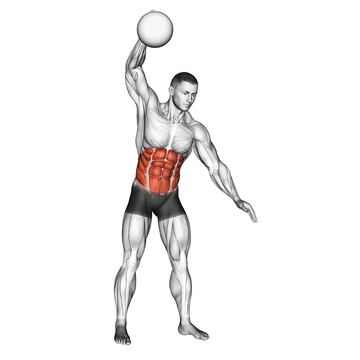
One Arm Slam (with Medicine Ball)
Direct training for rotational power. Mimics the hip-core-arm power chain of throwing and hitting.
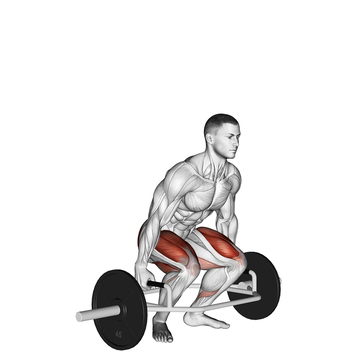
Trap Bar Deadlift
Builds posterior chain power for ground force generation. Easier on the lower back than conventional.
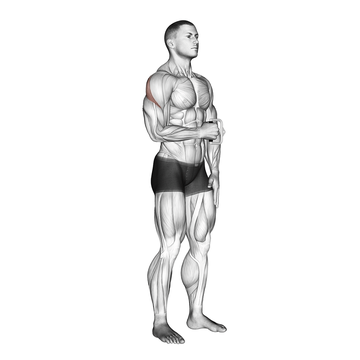
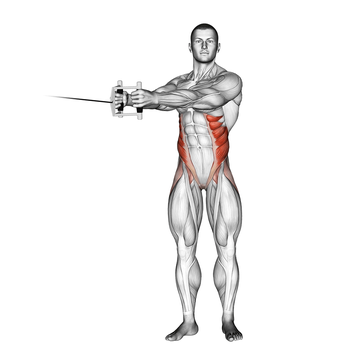
Cable Twist
Rotational strength that transfers to swing mechanics.
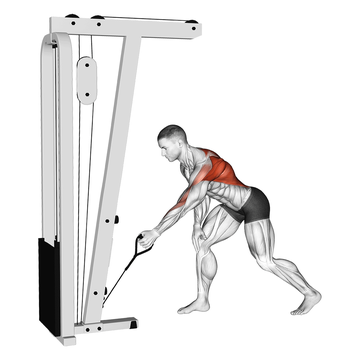
Cable One Arm Bent Over Row
Back strength for throwing deceleration and injury prevention.
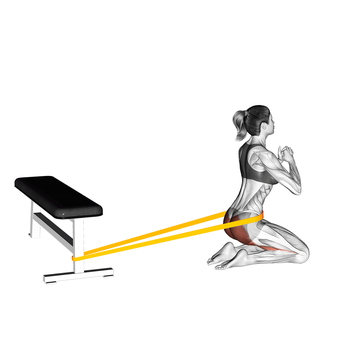
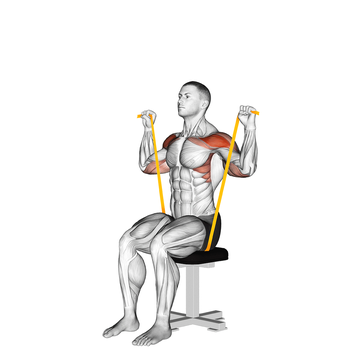
Resistance Band Hip Thrusts On Knees
Glute strength for hip rotation power and sprint acceleration.
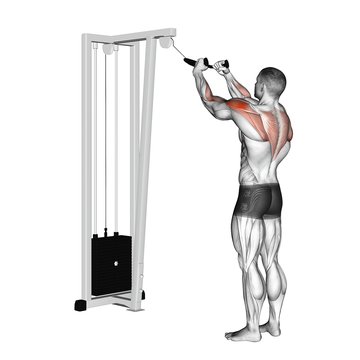
Cable Rear Delt Row (with Rope)
Essential shoulder health work for overhead athletes.
The Complete 3 days (in-season: 2 days) Program
Follow this program consistently for best results. Start with weights that feel manageable and aim to increase gradually each week as you get stronger.
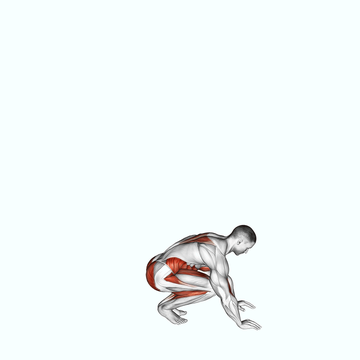
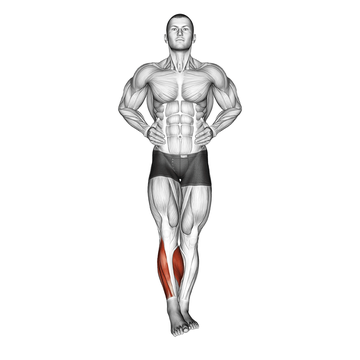
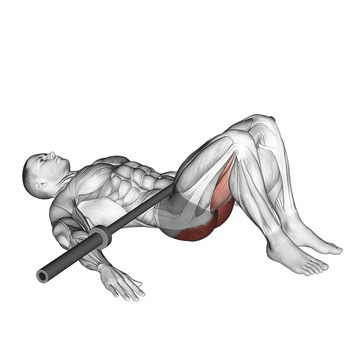
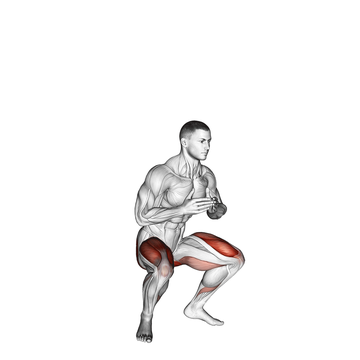
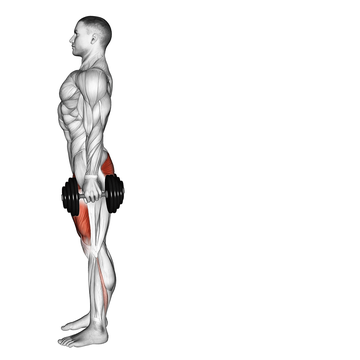
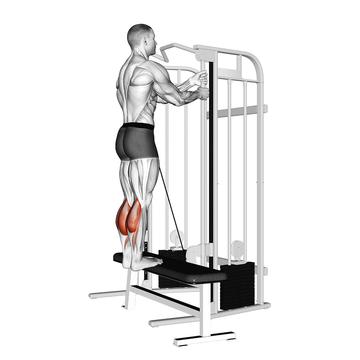
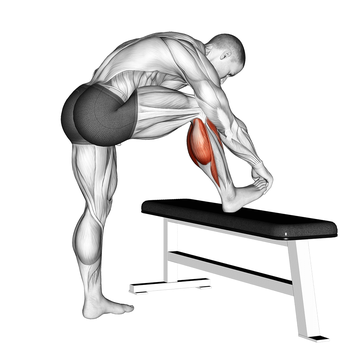
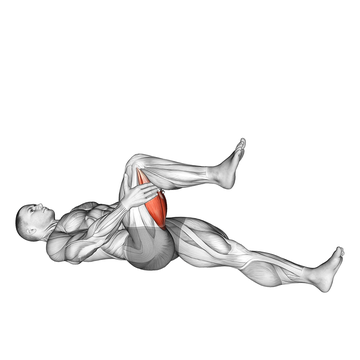
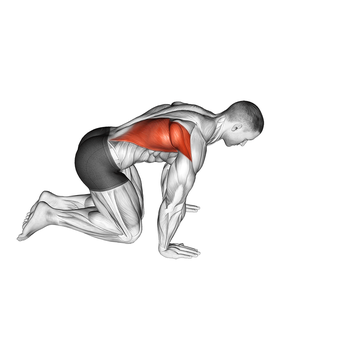
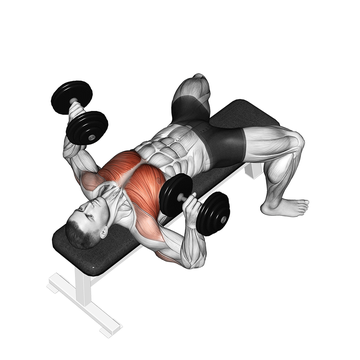
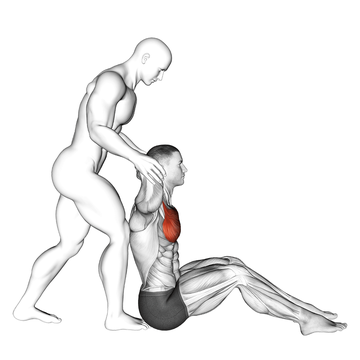
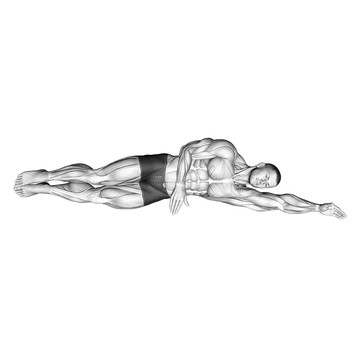
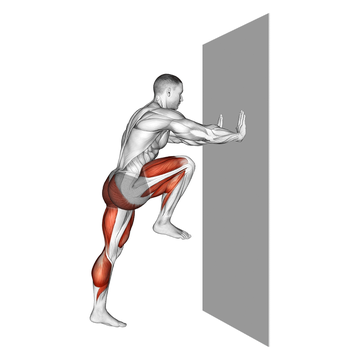
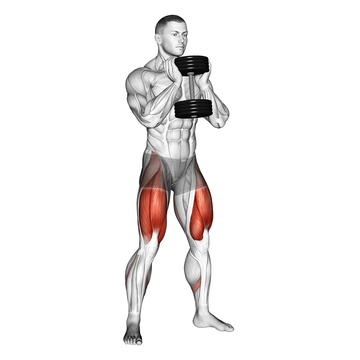
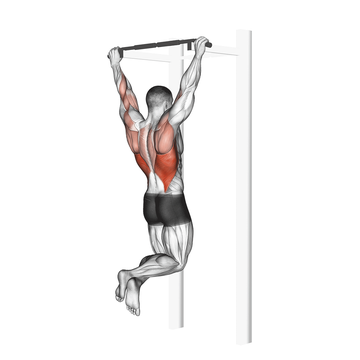
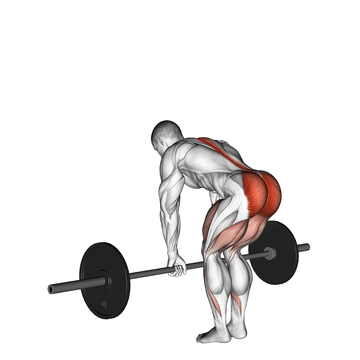
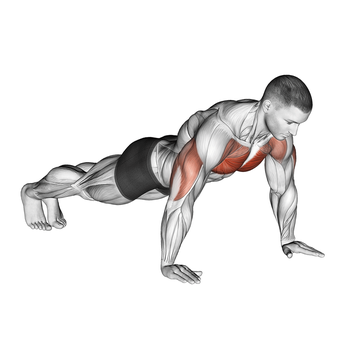
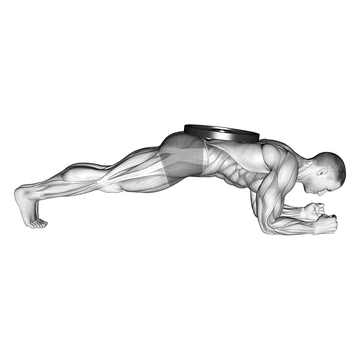
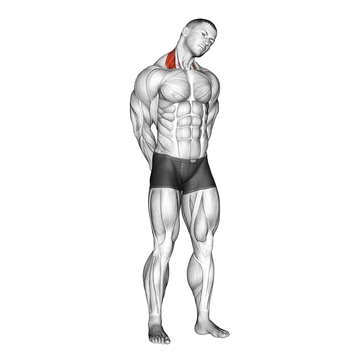
Want a program built for you?
Osteo Strength creates a personalized program based on your equipment, limitations, and bone health goals.
Create Your Program30 secTraining for Baseball
- Off-season is for building strength. In-season is for maintaining it with reduced volume.
- Never lift heavy on game days or the day before. Save intense sessions for early in the week.
- Rotational exercises should be done explosively to develop power, not slowly for strength.
- Arm care (shoulder and elbow exercises) should be done regularly, not just when problems appear.
- Sprint work and agility training complement strength training for complete baseball athleticism.
- Both sides should be trained on rotational exercises to address asymmetry.
Frequently Asked Questions
Should I lift during the season?
Yes, but with reduced volume. 2 sessions per week maintain strength without interfering with games and practices. Never lift heavy before games.
Will getting stronger affect my swing mechanics?
It shouldn't if you maintain skill work. Stronger muscles can move the same way—just faster. Continue regular hitting practice alongside strength training.
What about arm strength for throwing?
Throwing velocity comes from the whole body, not just the arm. This program builds the legs, core, and back strength that drive arm speed. Add position-specific arm care work.
How do I avoid shoulder injuries?
Include rear delt and rotator cuff work in every session. Maintain balanced strength between front and back of shoulder. Don't overtrain overhead pressing.
When will I see on-field improvements?
Exit velocity and throwing velocity improvements typically appear after 8-12 weeks of consistent training. The injury prevention benefits begin immediately.
Get a Free Personalized Program
Every body is different. Osteo Strength will build a strength program tailored to your exact needs: