Strength Training for Athletes
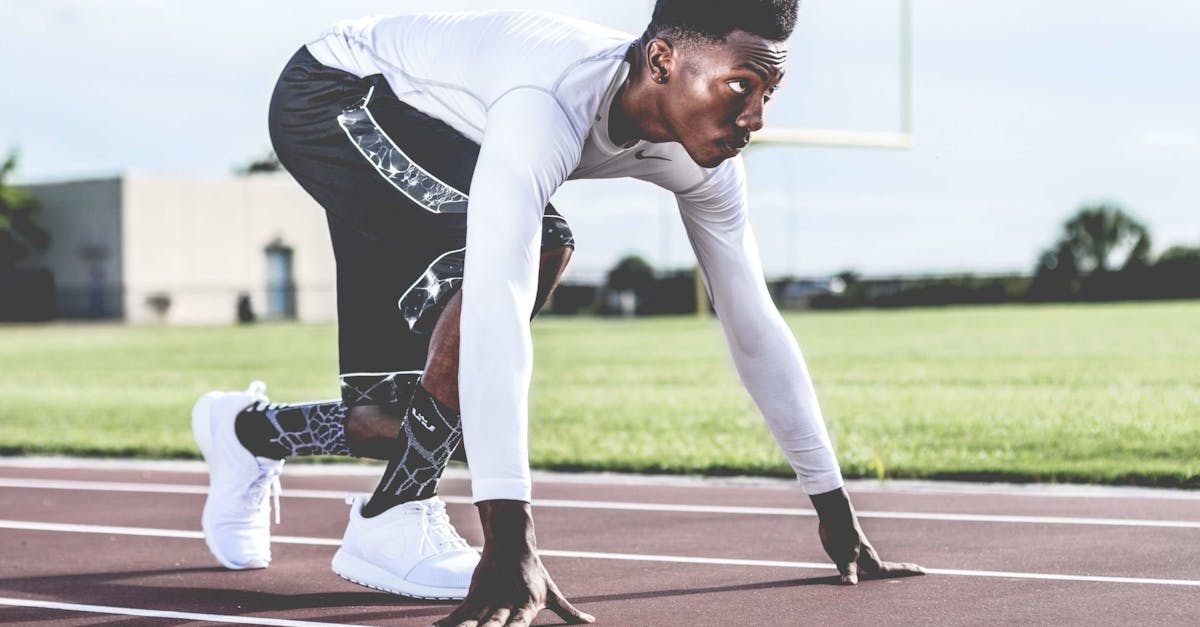
Athletic performance is built on a foundation of strength. Whatever your sport, stronger muscles produce more force, absorb more impact, and resist injury better than weaker ones. This program develops the explosive power, core stability, and balanced strength that transfer to any athletic endeavor. It's not about building muscle for appearance—it's about building functional strength that makes you better at your sport.
Principles of Athletic Strength Training
Athletic strength training differs from bodybuilding. The goal isn't maximum muscle size—it's maximum force production, rate of force development, and injury resistance. This requires different exercise selection, rep ranges, and training emphasis.
Power (force × velocity) matters more than maximum strength in most sports. An athlete who can generate moderate force very quickly outperforms one who can generate maximum force slowly. This program emphasizes explosive movements alongside strength building.
Injury prevention through strength training provides perhaps the greatest competitive advantage. The strongest athletes stay healthy longer, train more consistently, and avoid the setbacks that derail careers. Building balanced strength is building durability.
Benefits of Athletic Strength Training
Increased Power Output
Generate more force faster for better sport performance.
Reduced Injury Risk
Strong muscles protect joints and absorb the impacts of sport.
Better Endurance
Stronger muscles fatigue more slowly during sustained effort.
Improved Speed
Explosive leg strength directly improves sprint and agility performance.
Enhanced Recovery
Well-conditioned muscles recover faster between training sessions.
Longer Career
Durable athletes compete at high levels for more years.
Program Overview
Who it's for: Athletes in any sport seeking to improve physical performance
Want a program built for you?
Osteo Strength creates a personalized program based on your equipment, limitations, and bone health goals.
Create Your Program30 secWhy These Exercises?
Each exercise in this program was selected for a specific reason. Here's why:
Trap Bar Deadlift
Builds posterior chain power while being easier on the lower back than conventional deadlifts.
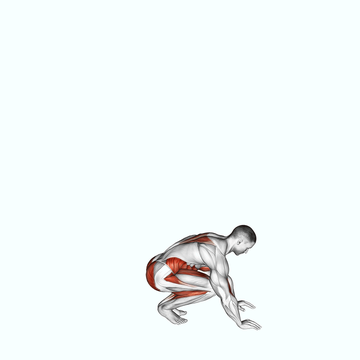
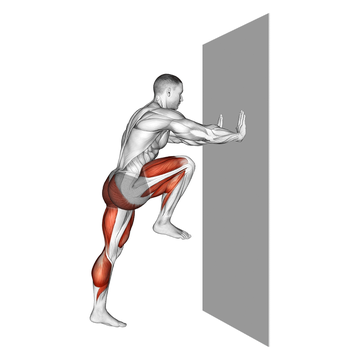
Box Jump Down With One Leg Stabilization
Develops explosive power and rate of force development.
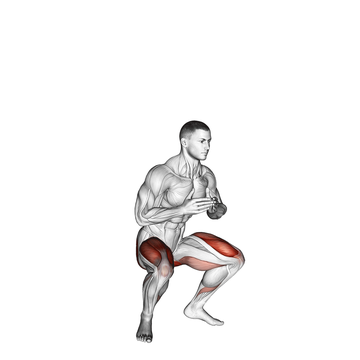
Dumbbell Goblet Squat
Fundamental lower body strength with minimal equipment requirement.
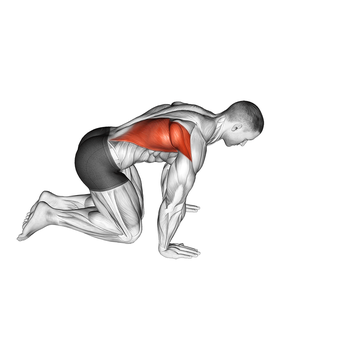
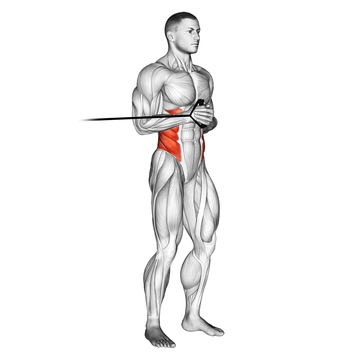
Cable One Arm Bent Over Row
Builds pulling strength and core stability simultaneously.
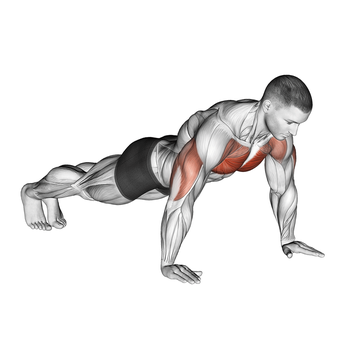
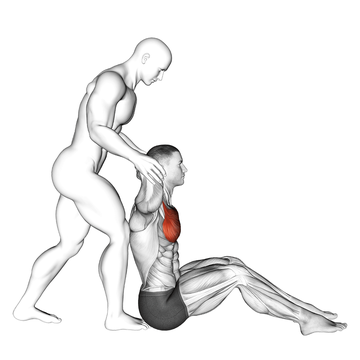
Push-up
Functional pushing strength with core engagement.
Weighted Front Plank
Core stability that transfers power between lower and upper body.
The Complete 3 days (in-season: 2 days) Program
Follow this program consistently for best results. Start with weights that feel manageable and aim to increase gradually each week as you get stronger.
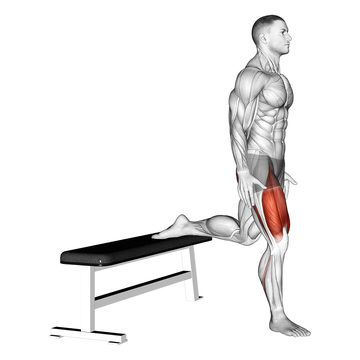
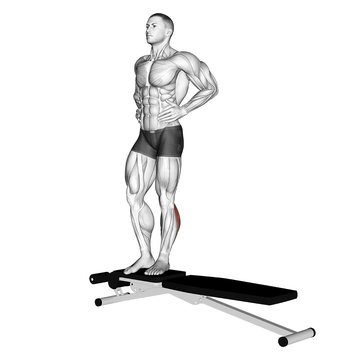
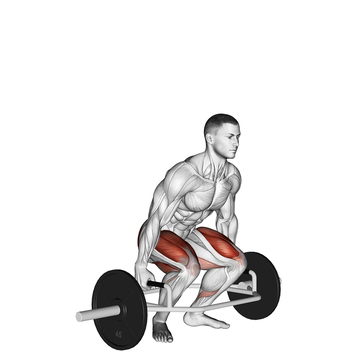
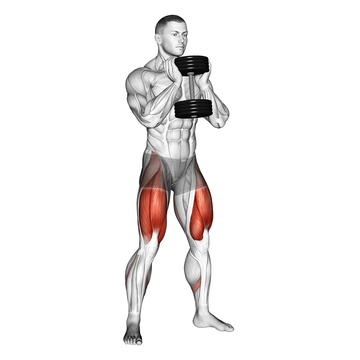
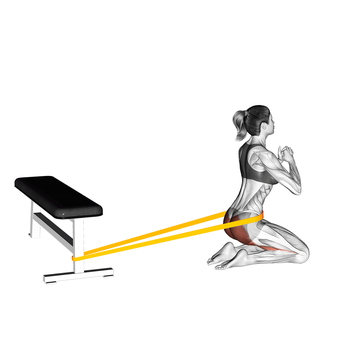
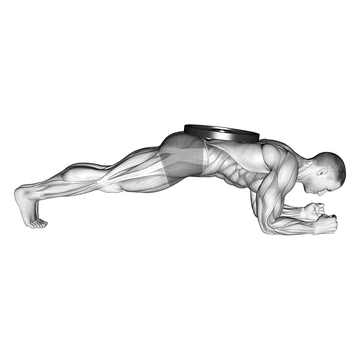
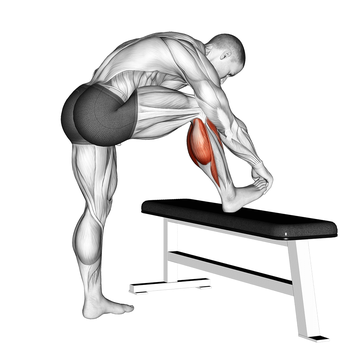
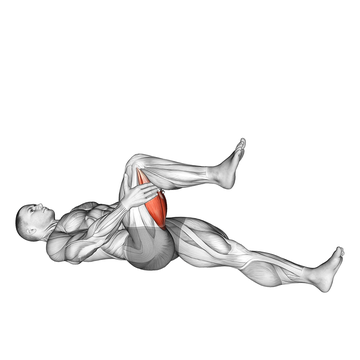
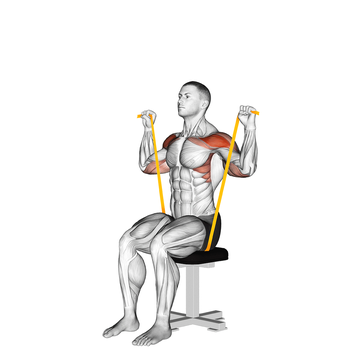
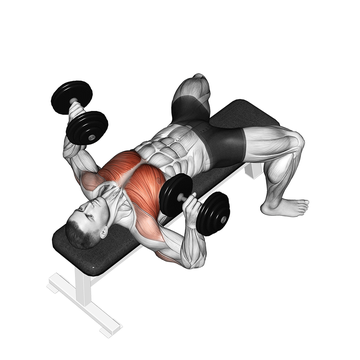
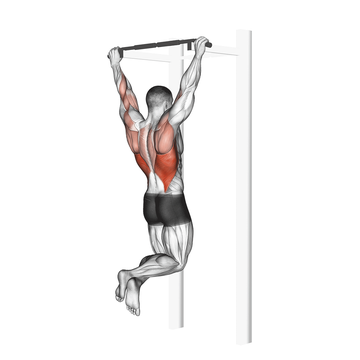
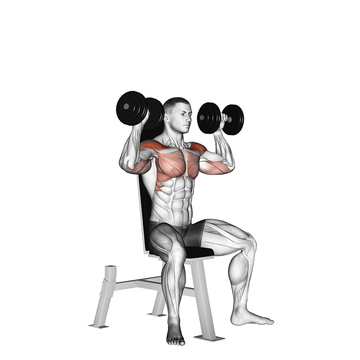
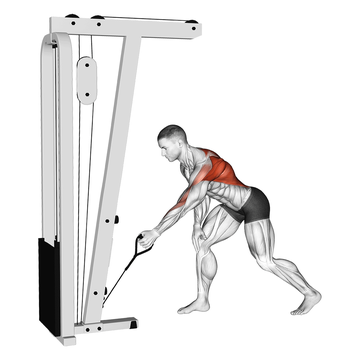
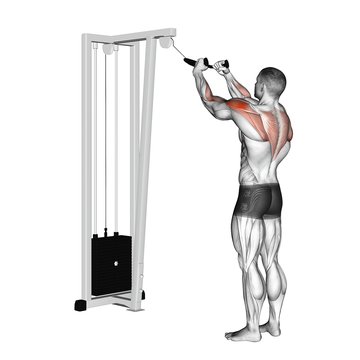
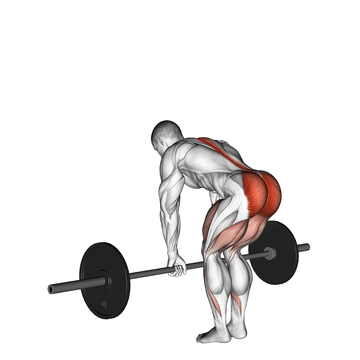
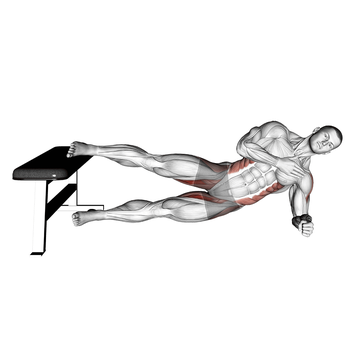
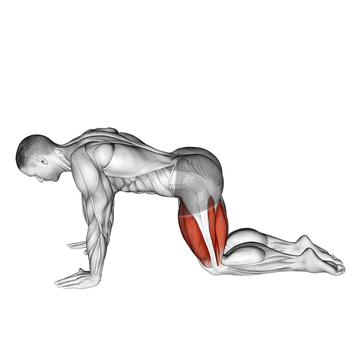
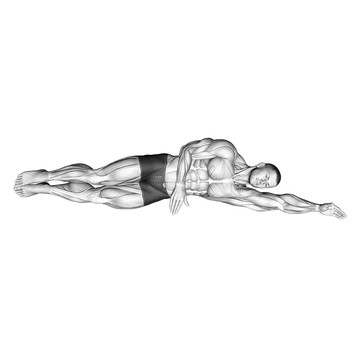
Want a program built for you?
Osteo Strength creates a personalized program based on your equipment, limitations, and bone health goals.
Create Your Program30 secTraining for Athletic Performance
- Explosive movements should be performed when fresh, at the start of workouts.
- Quality over quantity—stop sets when speed decreases on explosive exercises.
- Periodize training with your competitive season: build in off-season, maintain in-season.
- Single-leg exercises address the asymmetries that sport creates.
- Allow 48+ hours between heavy lifting and competition or important practices.
- Recovery is part of training. Sleep, nutrition, and rest days enable adaptation.
Frequently Asked Questions
How do I balance strength training with sport practice?
Sport practice takes priority. Schedule lifting to allow recovery before important practices and competitions. In-season, reduce strength volume but maintain training.
Will getting stronger make me slower?
Not with this program. We emphasize explosive movements that improve speed. Heavy, slow lifting without explosive work might, but that's not what's prescribed.
How quickly will I see on-field improvements?
Neuromuscular improvements appear in 2-4 weeks. Significant power gains typically require 8-12 weeks. The injury prevention benefits begin immediately.
Should I lift during my competitive season?
Yes, but with reduced volume (1-2 sessions per week). Stopping completely leads to detraining. Maintain what you built during off-season.
What if my sport has specific strength requirements?
This program provides a general athletic foundation. Supplement with sport-specific movements, or use a program designed for your specific sport.
Get a Free Personalized Program
Every body is different. Osteo Strength will build a strength program tailored to your exact needs: