Vibration Plates and Bone Density: The 2025 Guide to WBV Training
Whole Body Vibration (WBV) platforms have gone from niche biohacking tool to mainstream fitness equipment — and the research on bone density is genuinely promising. Studies show that vibration plates stimulate osteoblast activity, increase bone mineral density in the hip and spine, and improve balance and muscle strength. But here is what the marketing materials leave out: WBV works best when combined with actual resistance training, not as a replacement for it. This guide covers the science, the best protocols, and a program designed to pair vibration plate work with strength training for maximum bone-building results.
How Vibration Builds Bone
When you stand on a vibrating platform, your muscles contract and relax rapidly (30-40 times per second) to maintain balance. This creates mechanical loading on bone that mimics the effect of exercise — triggering mechanotransduction, the process by which bone cells sense force and respond by building new tissue. Research shows that low-magnitude, high-frequency vibration (20-40 Hz) is particularly effective at stimulating osteoblasts.
Multiple clinical trials have demonstrated improvements in bone mineral density at the femoral neck and lumbar spine after 6-12 months of regular WBV use. A 2022 meta-analysis confirmed that WBV is especially effective for postmenopausal women and older adults with limited mobility — populations that may struggle with heavy resistance training. However, the effect size is modest compared to heavy lifting alone.
The real power of vibration plates lies in combining them with strength exercises. Performing squats, lunges, and calf raises on a vibration platform amplifies the mechanical stimulus to bone while also recruiting more muscle fibers than the same exercises on stable ground. This "stacked stimulus" approach gives you the best of both worlds: the osteogenic benefits of vibration plus the proven bone-loading effects of resistance training.
Benefits of WBV + Strength Training
Double the Bone Stimulus
Combining vibration with resistance exercises stacks two proven osteogenic stimuli for amplified bone-building potential.
Improved Balance
Training on an unstable vibrating surface challenges proprioception and reduces fall risk — the leading cause of fractures.
Accessible for Limited Mobility
Simply standing on a vibration plate provides bone stimulus for those who cannot perform heavy resistance training.
Increased Muscle Activation
WBV recruits up to 95% of muscle fibers versus 40-60% during conventional exercise, building strength faster.
Improved Circulation
Vibration therapy improves blood flow and lymphatic drainage, supporting recovery and nutrient delivery to bone tissue.
Time Efficient
Vibration plate sessions can be as short as 10-15 minutes, making them easy to add before or after a strength workout.
Program Overview
Who it's for: Adults seeking bone-building exercise who own or have gym access to a vibration plate, especially those with osteopenia or osteoporosis
Want a program built for you?
Osteo Strength creates a personalized program based on your equipment, limitations, and bone health goals.
Create Your Program30 secWhy These Exercises?
Each exercise in this program was selected for a specific reason. Here's why:
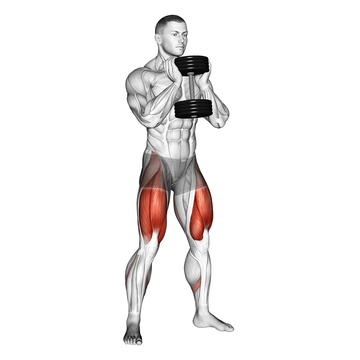
Dumbbell Goblet Squat
Squats on a vibration plate amplify bone loading through the spine and hips while improving balance.
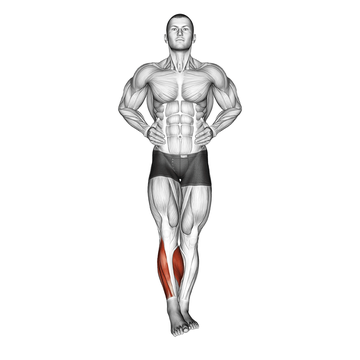
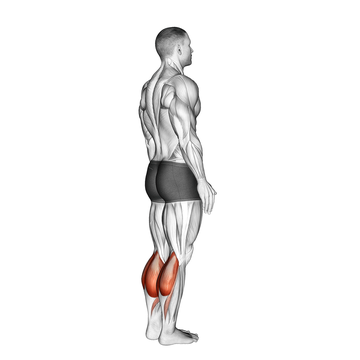
Bodyweight Standing Calf Raise
Calf raises on the vibration plate create impact-like stimulus through the lower limbs and stimulate bone at the tibia and hip.
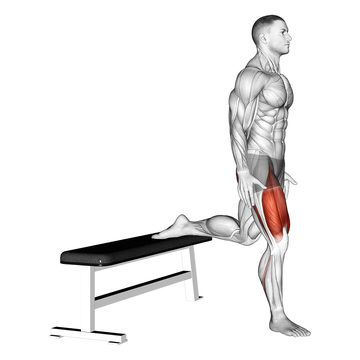
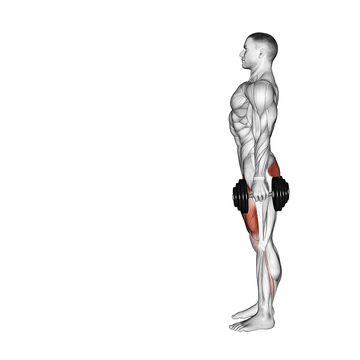
Dumbbell Lunge
Lunges with the front foot on the vibration plate increase proprioceptive challenge and unilateral hip loading.
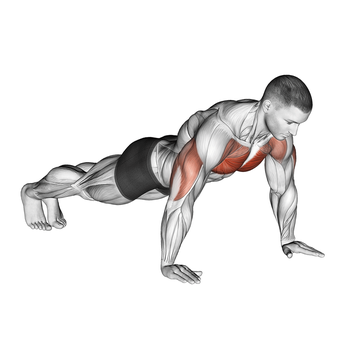
Push-up
Push-ups with hands on the vibration plate load the wrists — a common fracture site — while adding vibratory stimulus.
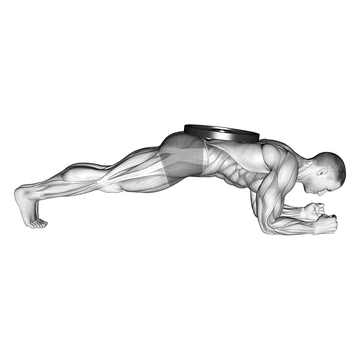
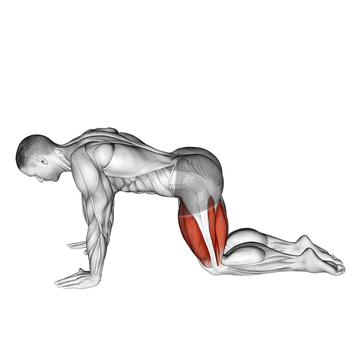
Weighted Front Plank
Planking on a vibration plate increases core muscle activation by 50-100% compared to a stable surface.
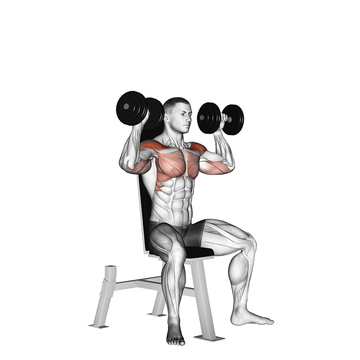
Dumbbell Seated Shoulder Press
Overhead pressing while seated on the vibration plate loads the spine axially with added vibratory stimulus.
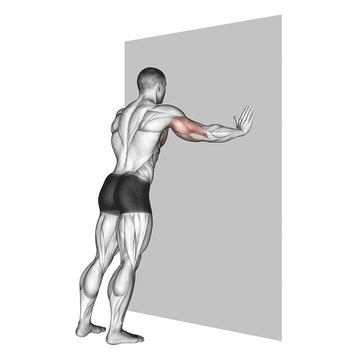
The Complete 3 days Program
Follow this program consistently for best results. Start with weights that feel manageable and aim to increase gradually each week as you get stronger.
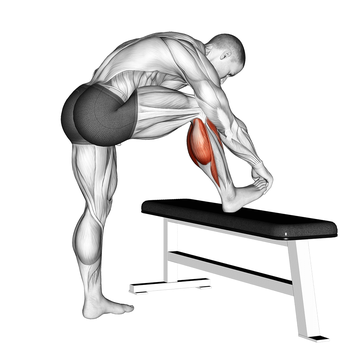
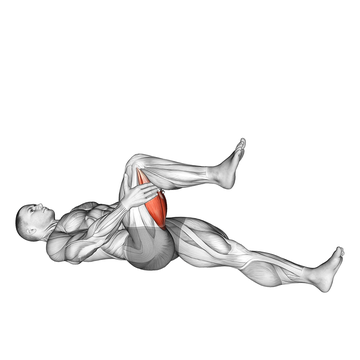
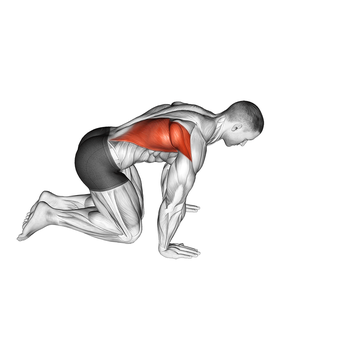
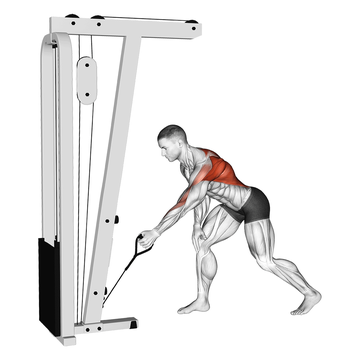
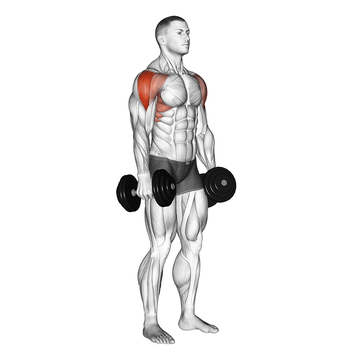
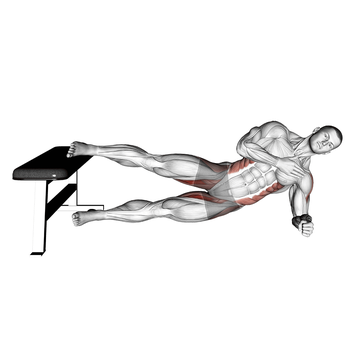
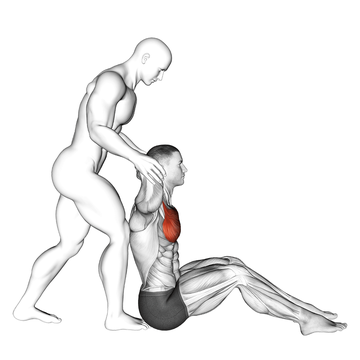
Want a program built for you?
Osteo Strength creates a personalized program based on your equipment, limitations, and bone health goals.
Create Your Program30 secGetting Started with WBV Training
- Use a vibration plate that delivers 20-40 Hz at low amplitude (2-4mm displacement) — this is the frequency range shown to be effective for bone.
- Start with just standing on the plate for 10 minutes per session while your body adapts to the vibration.
- After 2 weeks of standing sessions, begin adding simple exercises like squats and calf raises on the plate.
- Keep your knees slightly bent when standing on the plate — locking your knees transmits too much vibration to the skull.
- Do not use a vibration plate if you have a pacemaker, deep vein thrombosis, acute inflammation, or recent fractures.
- Combine WBV with proper resistance training — do not rely on vibration alone as your bone-building strategy.
Frequently Asked Questions
Do vibration plates actually build bone density?
Yes. Multiple clinical studies and meta-analyses show that whole body vibration at 20-40 Hz can improve bone mineral density, particularly at the femoral neck and lumbar spine. However, the effect is enhanced significantly when combined with resistance training rather than used alone.
How long should I stand on a vibration plate?
For bone health, research supports sessions of 10-20 minutes at 20-40 Hz. Start with 10-minute standing sessions and build up. When performing exercises on the plate, the total vibration exposure comes from your combined exercise time.
Can vibration plates replace strength training?
No. While WBV provides meaningful bone stimulus, it does not replicate the progressive overload that heavy resistance training provides. Think of vibration plates as a complement to strength training, not a replacement. The best results come from combining both.
Which vibration plate should I buy for bone density?
Look for a plate that delivers vertical or tri-planar vibration at 20-40 Hz with amplitude of 2-4mm. Avoid very cheap plates that may not deliver consistent frequencies. Platforms by Power Plate, Hypervibe, and similar brands are commonly used in clinical research.
Is vibration plate training safe with osteoporosis?
For most people, yes. Low-magnitude WBV has been used safely in clinical trials with osteoporotic populations. However, avoid vibration plates if you have acute fractures, spinal hardware, or unstable medical conditions. Consult your doctor before starting.
Get a Free Personalized Program
Every body is different. Osteo Strength will build a strength program tailored to your exact needs: