Upper Body Workouts for Beginners
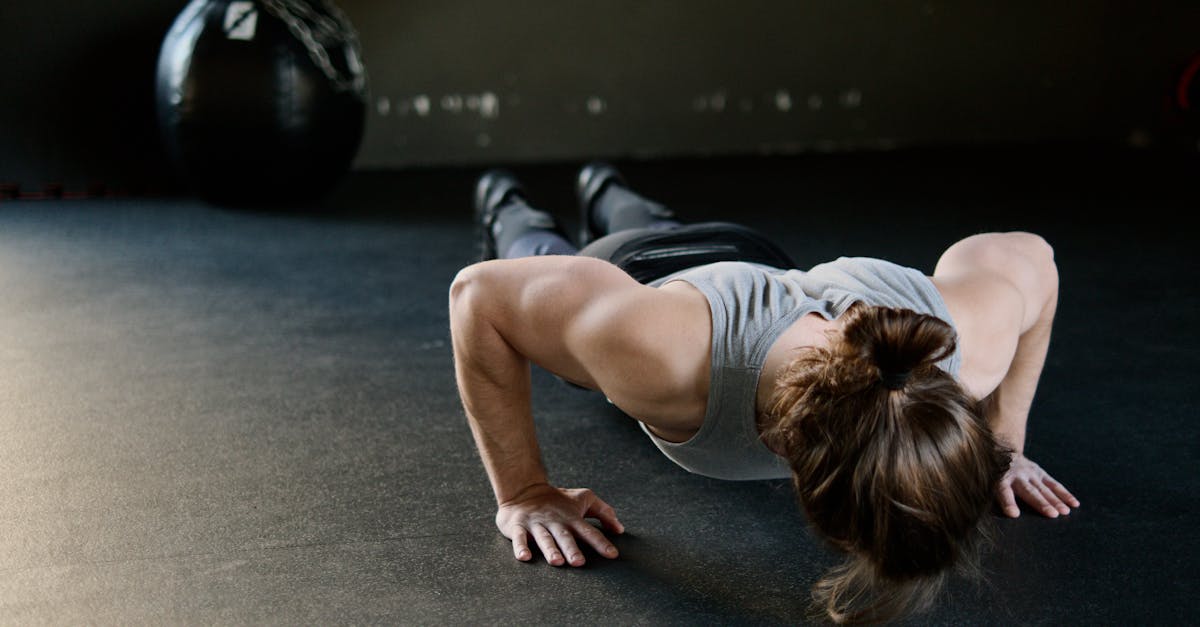
Building upper body strength as a beginner doesn't require complicated exercises or heavy weights. It requires learning fundamental movement patterns, developing proper form, and progressing at a pace your body can handle. This program introduces you to the essential upper body exercises that will build a foundation for years of training—chest, back, shoulders, and arms in balanced proportion.
Starting Upper Body Training
Upper body training for beginners focuses on compound movements—exercises that work multiple muscles at once. Push-ups, rows, and presses form the foundation because they teach your muscles to work together the way they function in real life.
Balance is essential from the start. Many beginners focus heavily on "mirror muscles" (chest and biceps) while neglecting back and shoulders. This creates imbalances that limit progress and increase injury risk. This program ensures equal attention to pushing and pulling movements.
Light weights with good form beat heavy weights with poor form every time. The goal in your first months isn't to lift as heavy as possible—it's to engrain proper movement patterns that will serve you for decades.
Benefits of Upper Body Training
Functional Strength
Everyday tasks—carrying groceries, lifting objects, pushing doors—become easier.
Improved Posture
Balanced upper body development counteracts the hunching from desk work.
Injury Prevention
Strong shoulders and back muscles protect your spine and joints.
Better Metabolism
More muscle mass means more calories burned at rest.
Confidence
Physical capability translates to mental confidence in daily life.
Foundation Building
Master basics now to progress to advanced training later.
Program Overview
Who it's for: Beginners new to upper body resistance training
Want a program built for you?
Osteo Strength creates a personalized program based on your equipment, limitations, and bone health goals.
Create Your Program30 secWhy These Exercises?
Each exercise in this program was selected for a specific reason. Here's why:
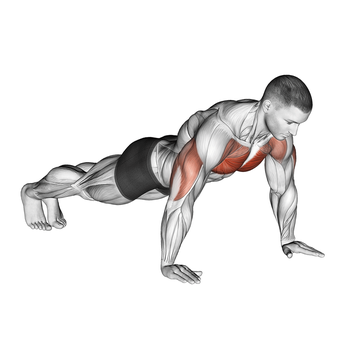
Push-up
The fundamental pushing exercise. Start on knees if needed and progress to full push-ups.
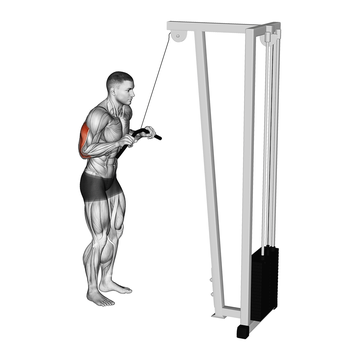
Cable One Arm Bent Over Row
Builds back strength with support for your spine. Single-arm allows focus on form.
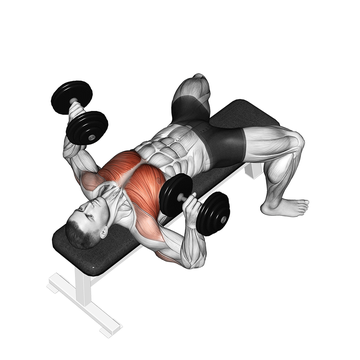
Dumbbell Bench Press
Chest and tricep development. Dumbbells allow natural movement path.
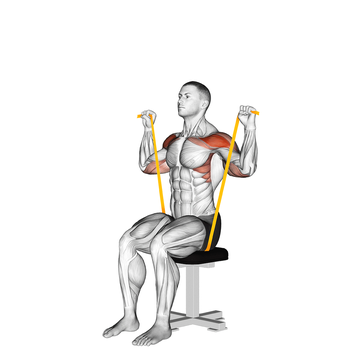
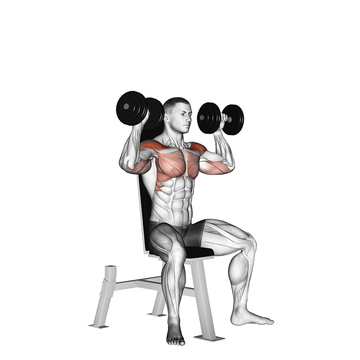
Dumbbell Seated Shoulder Press
Shoulder strength with back support for stability while learning.
Cable Bar Lateral Pulldown
Builds toward pull-ups. Controlled resistance for back width.
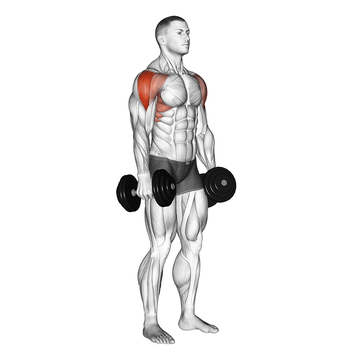
Dumbbell Concentration Curl
Bicep isolation to balance pushing movements.
The Complete 2-3 days (with rest days between) Program
Follow this program consistently for best results. Start with weights that feel manageable and aim to increase gradually each week as you get stronger.
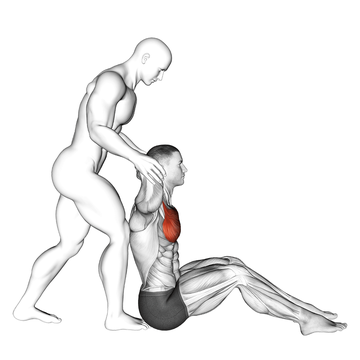
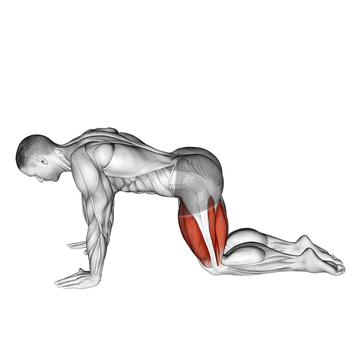
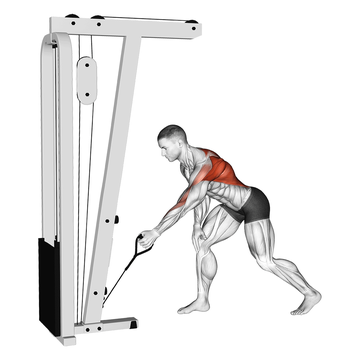
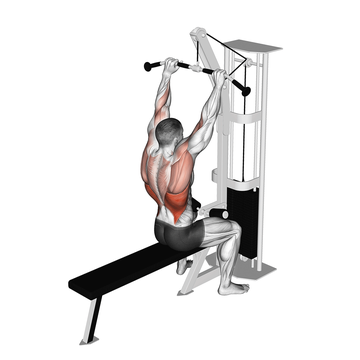
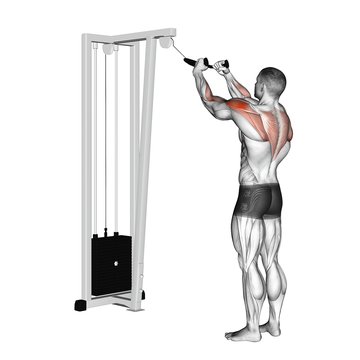
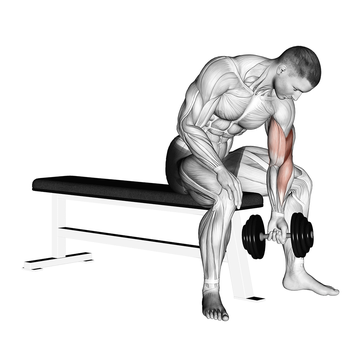

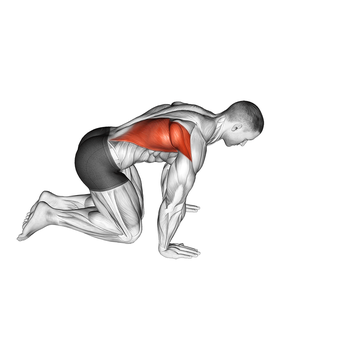
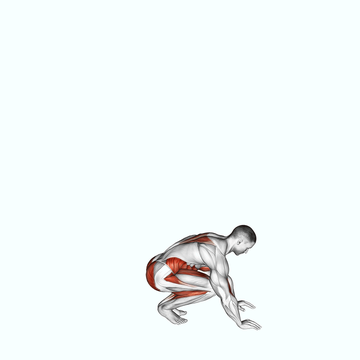
Want a program built for you?
Osteo Strength creates a personalized program based on your equipment, limitations, and bone health goals.
Create Your Program30 secGetting Started Safely
- Start with weights you can control for 12-15 reps with perfect form.
- Focus on feeling the target muscle working, not just moving the weight.
- Rest 60-90 seconds between sets to maintain quality.
- If an exercise causes joint pain (not muscle burn), stop and reassess form.
- Progress by adding 1-2 reps per workout until you hit the top of the range, then increase weight.
- Film yourself to check form—what feels right isn't always what looks right.
Frequently Asked Questions
How long until I see results?
Strength improvements appear within 2-3 weeks. Visible muscle changes typically require 6-8 weeks of consistent training with adequate protein intake.
Should I train upper body if I'm sore?
Mild soreness is okay—movement often helps. If muscles are very sore or movement is limited, take another rest day. Soreness decreases as your body adapts.
Can I do this at home?
Yes, with dumbbells and a bench or sturdy surface. Resistance bands can substitute for cable exercises.
When should I increase weight?
When you can complete all sets at the top of the rep range with good form. Increase by the smallest increment available (usually 5 lbs total).
Should I add lower body training?
Yes. A balanced program includes lower body. Consider full body training 3x per week once you're comfortable with these exercises.
Get a Free Personalized Program
Every body is different. Osteo Strength will build a strength program tailored to your exact needs: