Strength Training for Men

Whether you're looking to build muscle, increase strength, improve athletic performance, or simply feel better in your body, strength training is the foundation. Unlike cardio or machine-based workouts, barbell and dumbbell training builds functional strength that transfers to real life, increases testosterone naturally, and creates the muscular physique that signals health and vitality. This program focuses on compound movements—the exercises that give you the most results for your time in the gym.
The Foundation of Men's Strength Training
The most effective strength programs for men are built around compound movements: squats, deadlifts, presses, and rows. These exercises work multiple muscle groups simultaneously, allow you to lift heavy weights, and trigger the hormonal response that drives muscle growth.
Progressive overload is the key to continuous gains. This means gradually increasing the weight, reps, or sets over time. Your body adapts to stress—if you lift the same weight every week, progress stalls. The program below is designed with progression built in.
Recovery is where muscle is actually built. Training breaks down muscle fibers; rest and nutrition rebuild them stronger. This is why rest days, sleep, and protein intake are as important as the workouts themselves.
Benefits of Strength Training for Men
Increased Muscle Mass
Compound movements with progressive overload stimulate muscle growth across your entire body, not just isolated muscles.
Higher Testosterone
Heavy compound exercises naturally boost testosterone levels, supporting muscle growth, energy, and overall health.
Improved Body Composition
Building muscle while losing fat creates a leaner, more athletic physique—strength training does both simultaneously.
Greater Functional Strength
The strength you build translates to real-world activities—lifting, carrying, sports performance, and daily tasks.
Better Mental Health
Regular strength training reduces anxiety and depression while building confidence through measurable progress.
Long-term Health
Strength training protects against age-related muscle loss, maintains bone density, and supports metabolic health.
Program Overview
Who it's for: Men looking to build strength and muscle through proven training methods
Want a program built for you?
Osteo Strength creates a personalized program based on your equipment, limitations, and bone health goals.
Create Your Program30 secWhy These Exercises?
Each exercise in this program was selected for a specific reason. Here's why:
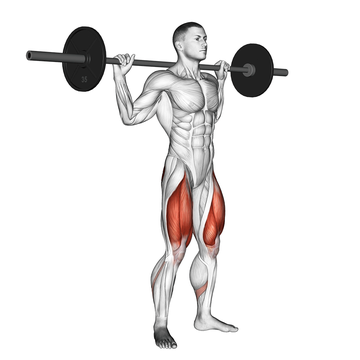
Barbell Full Squat
The king of lower body exercises—builds quads, glutes, and core while triggering whole-body growth.
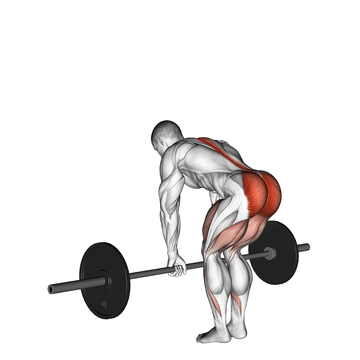
Barbell Deadlift
Works more muscle mass than any other exercise. Builds the entire posterior chain and grip strength.
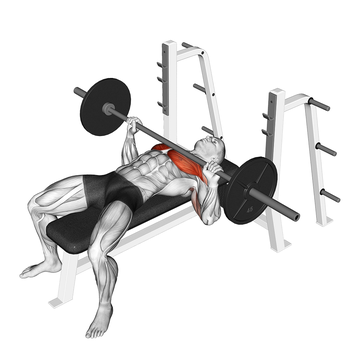
Barbell Bench Press
The primary chest builder that also develops shoulders and triceps.
Pull-up
The best back exercise for building a wide, V-shaped torso. Also develops biceps and grip.
Smith Standing Military Press
Builds shoulder size and strength while requiring full-body stabilization.
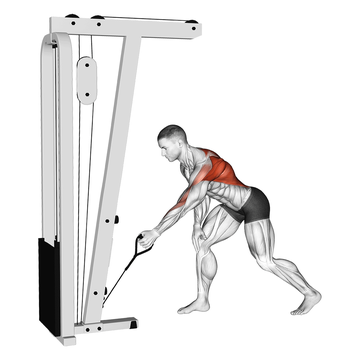
Barbell Bent Over Row
Builds back thickness and helps balance out pressing movements.
The Complete 3 days Program
Follow this program consistently for best results. Start with weights that feel manageable and aim to increase gradually each week as you get stronger.
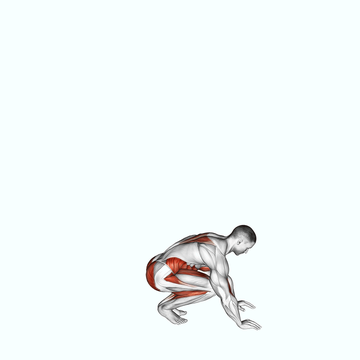
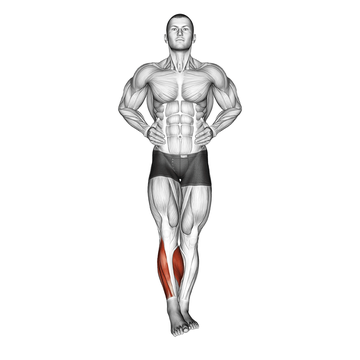
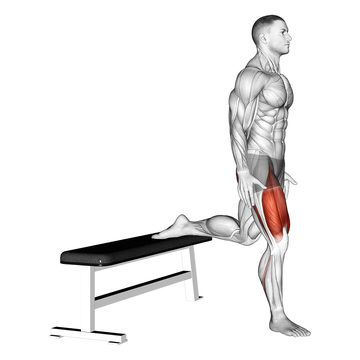
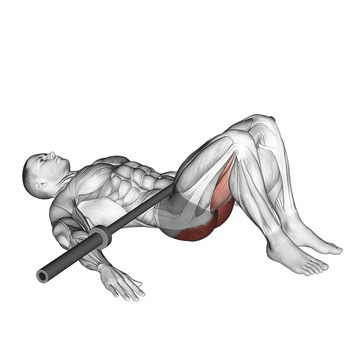
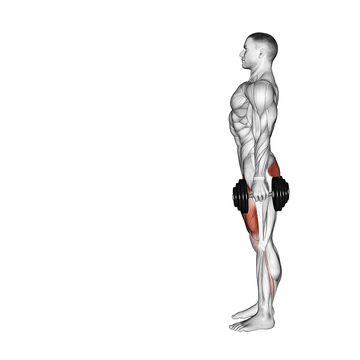
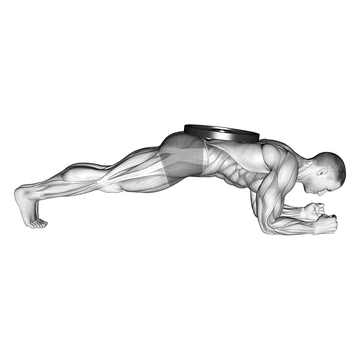
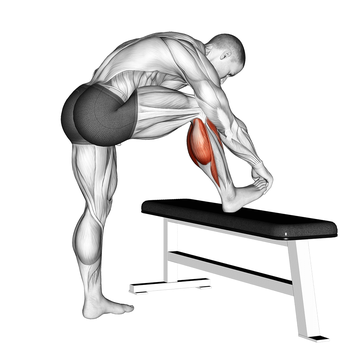
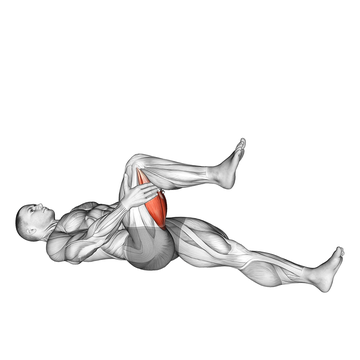
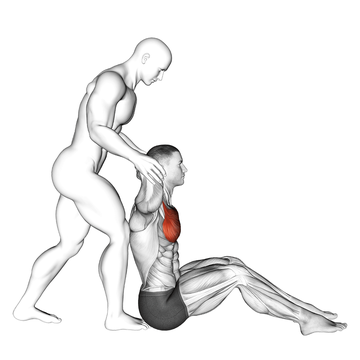
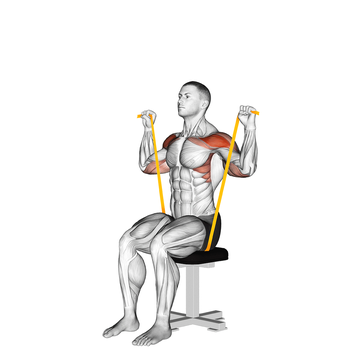
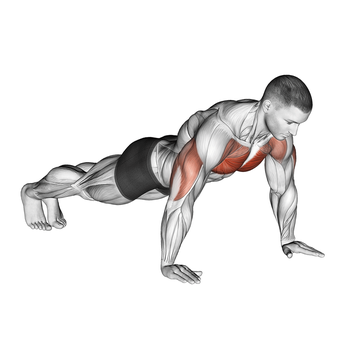
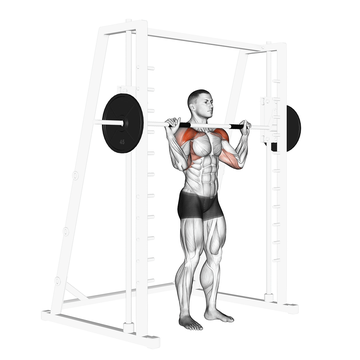
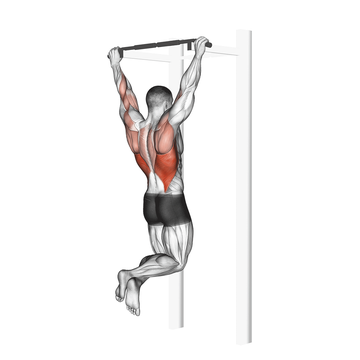
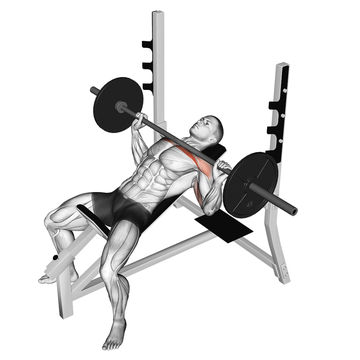
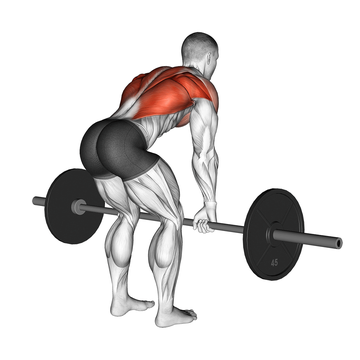
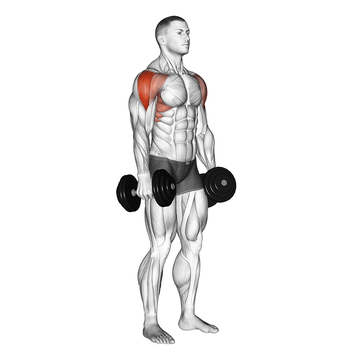
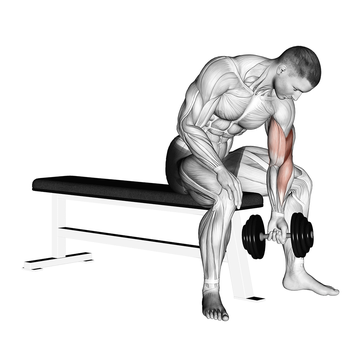
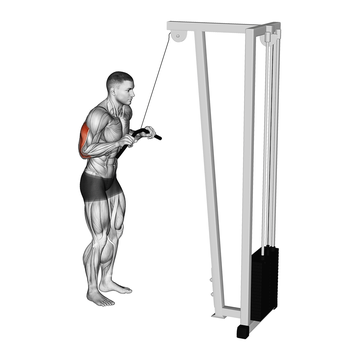
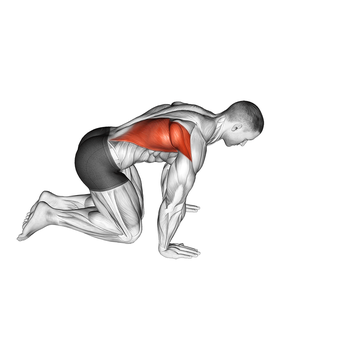
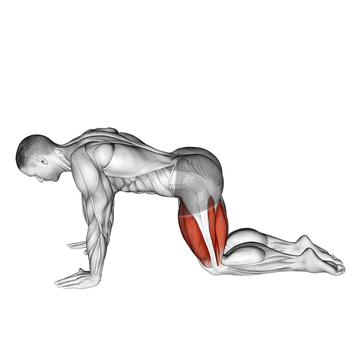
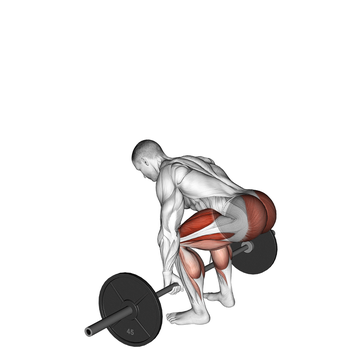
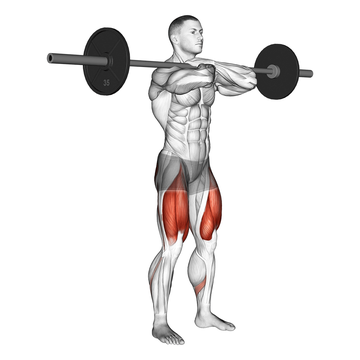
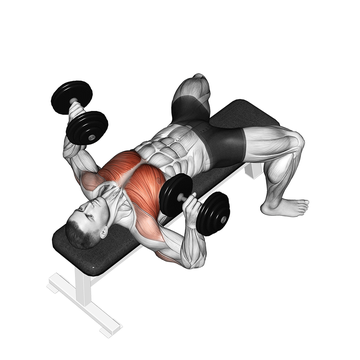
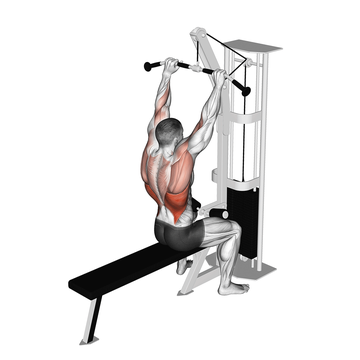
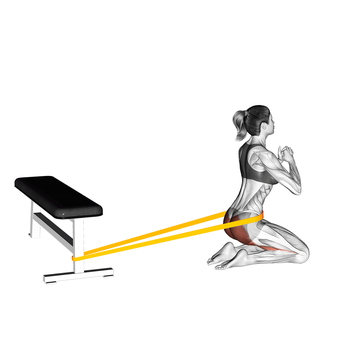
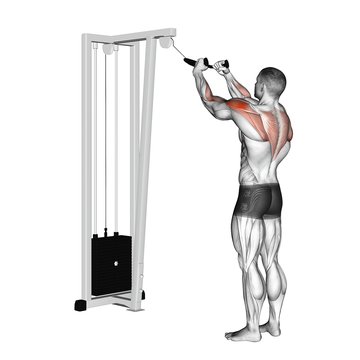
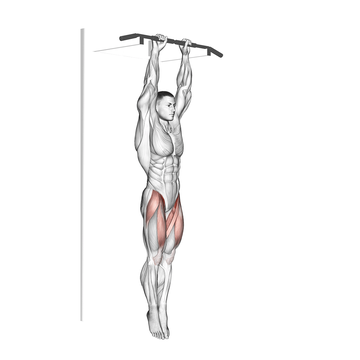
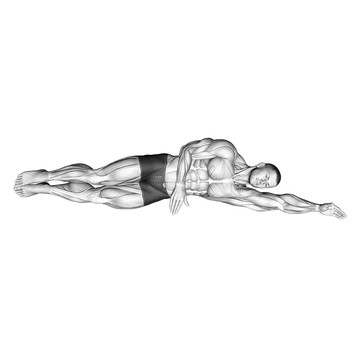
Want a program built for you?
Osteo Strength creates a personalized program based on your equipment, limitations, and bone health goals.
Create Your Program30 secMaximizing Your Results
- Master form before adding weight. Poor form limits results and causes injury.
- Track your lifts. Write down weight, sets, and reps each session to ensure progress.
- Eat enough protein—0.8-1g per pound of body weight to support muscle growth.
- Sleep 7-8 hours. Muscle is built during recovery, not during workouts.
- Increase weight when you can complete all sets with good form. Even 5 lb increases add up.
- Be consistent. Three solid workouts per week beats six mediocre ones.
Frequently Asked Questions
How heavy should I lift?
Heavy enough that the last 1-2 reps of each set are challenging but you maintain good form. Start conservative and add weight progressively.
Should I train to failure?
Not on most sets. Leave 1-2 reps in reserve on working sets. Training to failure every set increases fatigue and injury risk without additional benefit.
How quickly will I see results?
Strength gains come faster than visible muscle—you may notice strength increases in 2-3 weeks. Visible muscle changes typically appear after 6-8 weeks of consistent training and proper nutrition.
Do I need supplements?
Not to make progress. A solid diet with adequate protein is more important. If considering supplements, creatine and protein powder are the only ones with strong research support.
Can I add cardio?
Yes, but prioritize recovery. Light cardio (walking, cycling) on off days is fine. Avoid excessive high-intensity cardio which can interfere with strength gains.
Get a Free Personalized Program
Every body is different. Osteo Strength will build a strength program tailored to your exact needs: