Strength Training for Lean Muscle

"Lean muscle" isn't a different type of muscle—it's the same muscle tissue everyone builds, but with lower body fat that reveals definition. Building lean muscle requires the right combination of resistance training to stimulate growth and nutrition to support development without excessive fat gain. This program is designed for those who want a defined, athletic physique rather than maximum bulk.
What "Lean Muscle" Really Means
All muscle is lean by definition—it's metabolically active tissue with minimal fat content. What people mean by "lean muscle" is visible, defined muscle with low body fat. This requires two things: building muscle through resistance training and maintaining body fat low enough to see that muscle.
The key to building lean muscle is controlled nutrition. A small caloric surplus (100-300 calories) provides energy for muscle growth without excessive fat accumulation. This "lean bulk" approach is slower than aggressive bulking but produces better aesthetics throughout the process.
Training for lean muscle emphasizes moderate rep ranges (8-12) with progressive overload. Higher reps with short rest periods increase calorie expenditure during training, supporting the lean physique goal while still providing sufficient stimulus for muscle growth.
Benefits of Building Lean Muscle
Athletic Aesthetics
Build the defined, toned physique of an athlete rather than excessive bulk.
Sustainable Approach
Small surplus means less fat to lose later, maintaining your physique year-round.
Higher Metabolism
Muscle burns more calories at rest, making it easier to stay lean.
Functional Strength
Build real-world strength without carrying extra mass.
Improved Health
Lower body fat with maintained muscle optimizes metabolic and cardiovascular health.
Confidence
Looking lean and defined year-round beats the bulk/cut cycle for most people.
Program Overview
Who it's for: Those seeking a defined, athletic physique without excessive bulk
Want a program built for you?
Osteo Strength creates a personalized program based on your equipment, limitations, and bone health goals.
Create Your Program30 secWhy These Exercises?
Each exercise in this program was selected for a specific reason. Here's why:
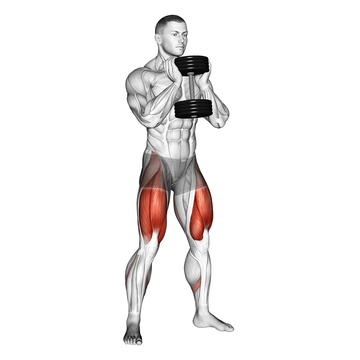
Dumbbell Goblet Squat
Builds leg muscle while keeping core engaged. Easier to maintain form during high rep sets.
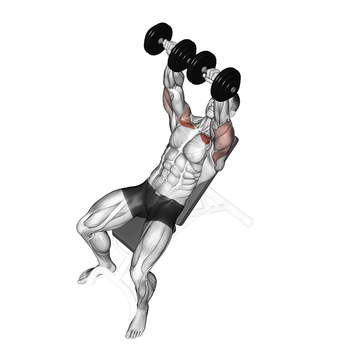
Dumbbell Bench Press
Chest development with full range of motion. Dumbbells allow natural arm path.
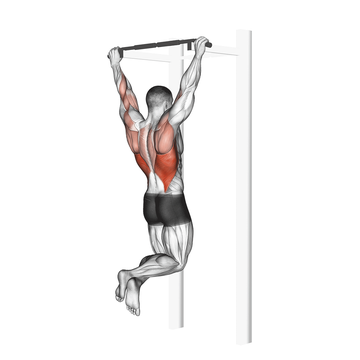
Pull-up
Best back width builder using bodyweight. Contributes to the V-taper athletic look.
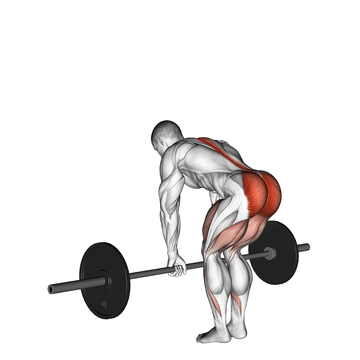
Barbell Romanian Deadlift
Hamstring and glute development for lower body balance and athletic appearance.
Dumbbell Lateral Raise
Creates shoulder width and the capped delt look that defines an athletic physique.
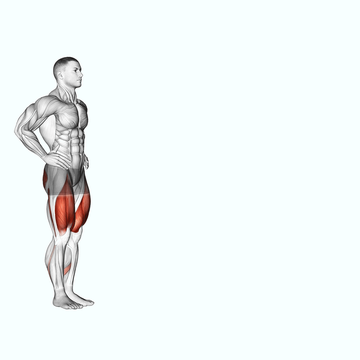
Walking Lunge
Leg development plus elevated heart rate for additional calorie burn.
The Complete 4 days Program
Follow this program consistently for best results. Start with weights that feel manageable and aim to increase gradually each week as you get stronger.
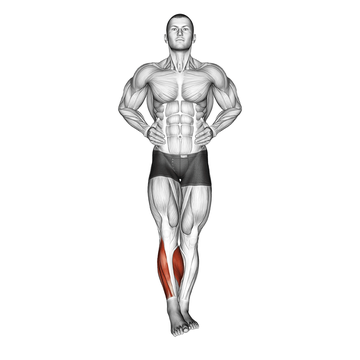
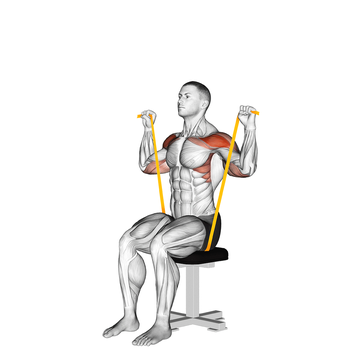
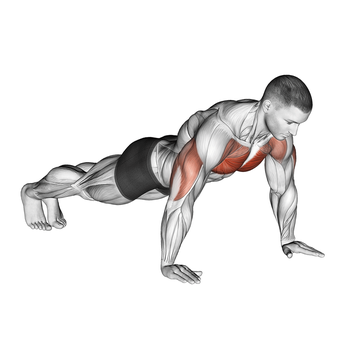
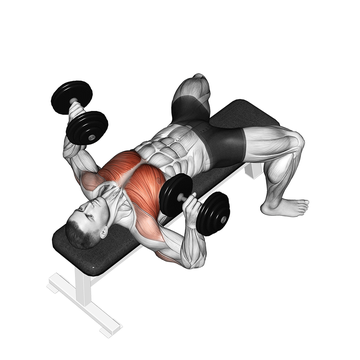
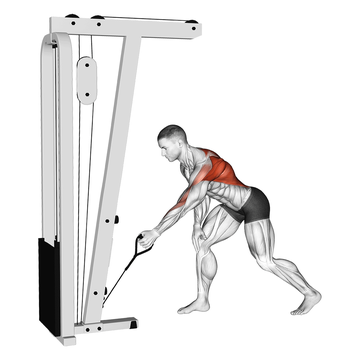
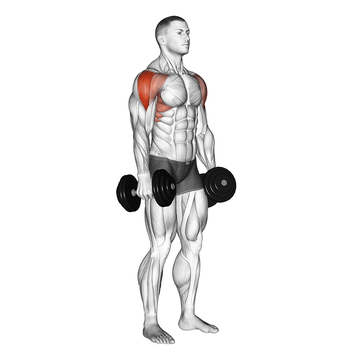
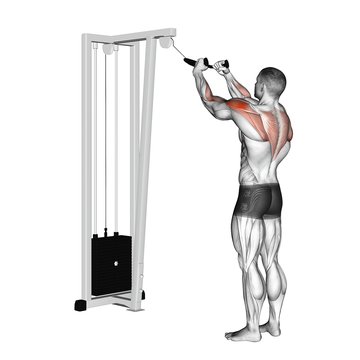
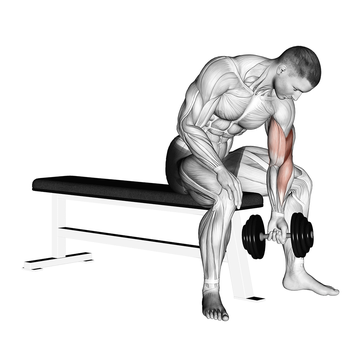
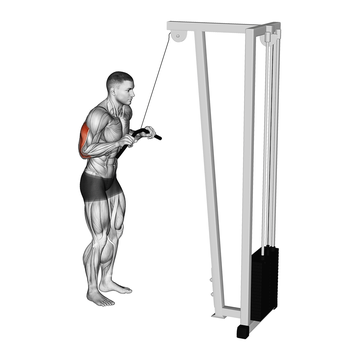
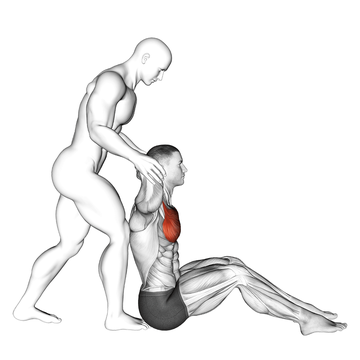
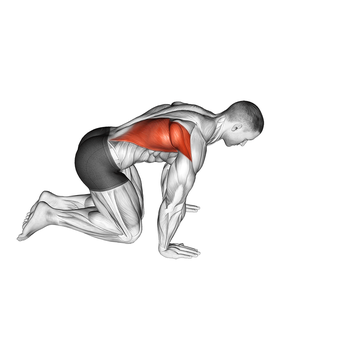
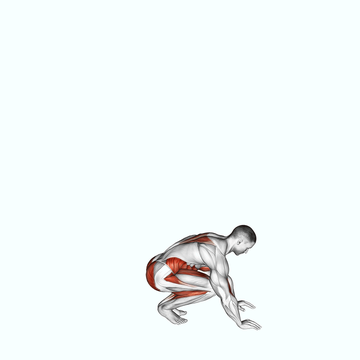
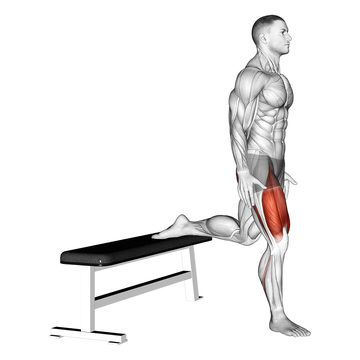
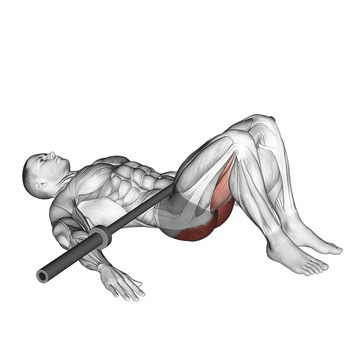
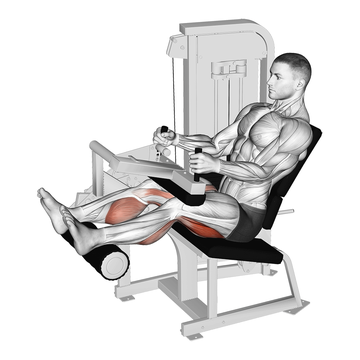
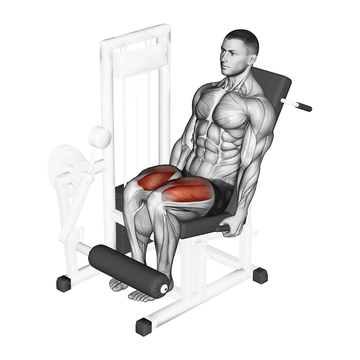
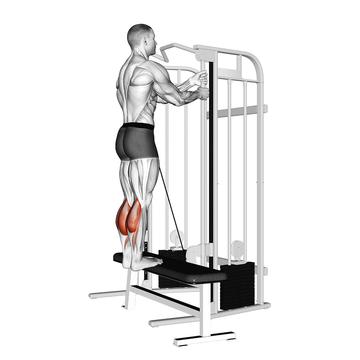
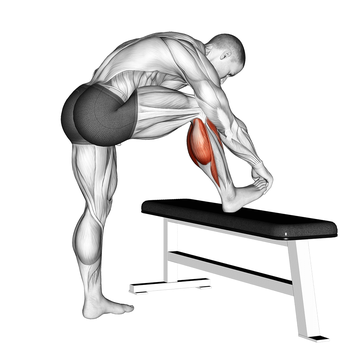
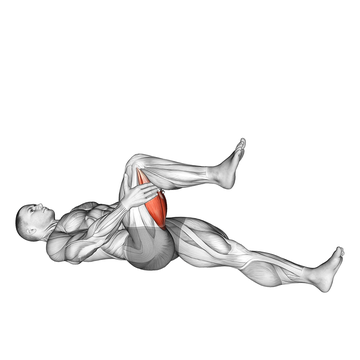
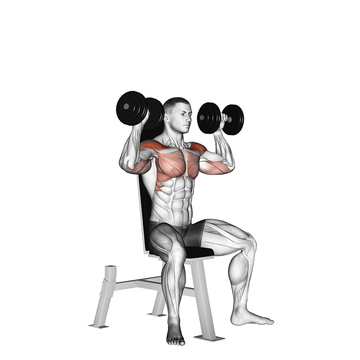
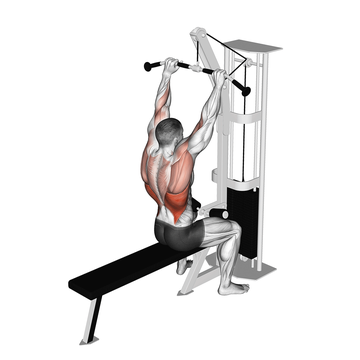
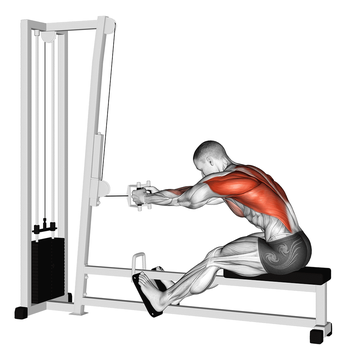
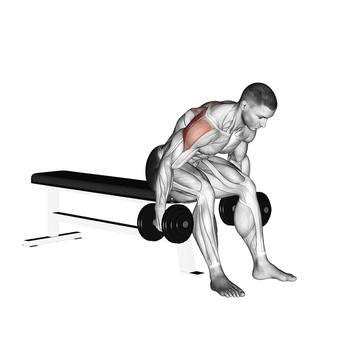
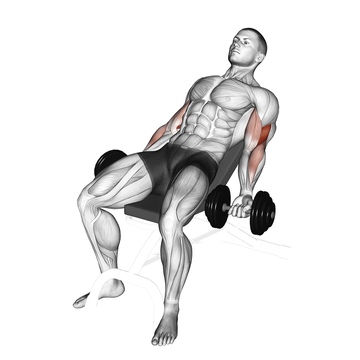
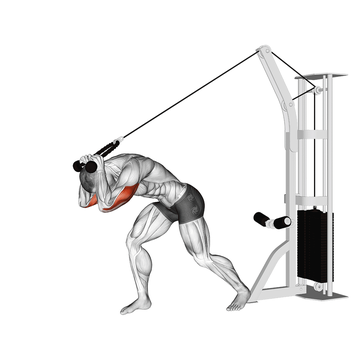
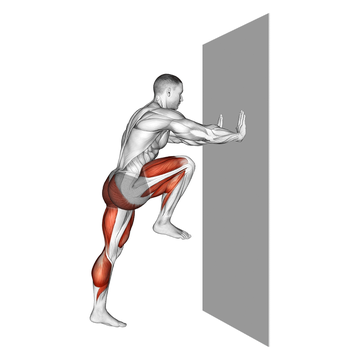
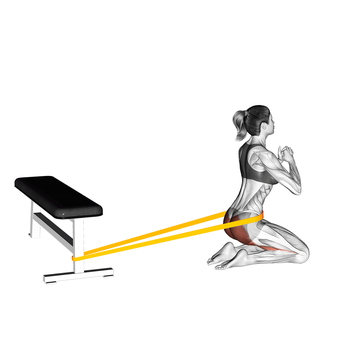
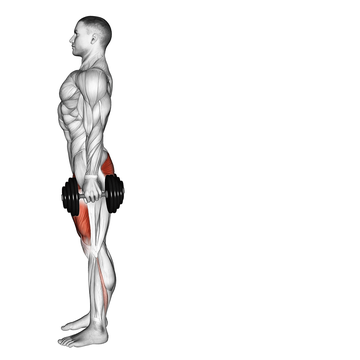
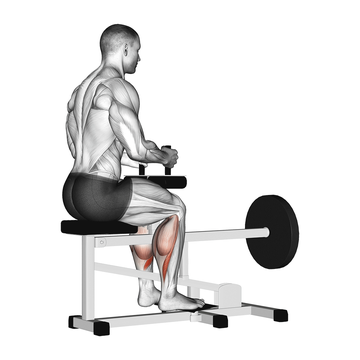
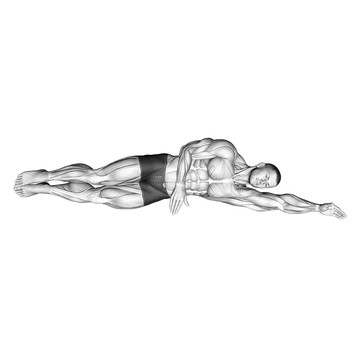
Want a program built for you?
Osteo Strength creates a personalized program based on your equipment, limitations, and bone health goals.
Create Your Program30 secBuilding Lean Muscle
- Eat in a slight caloric surplus (100-300 calories above maintenance). Enough for growth, minimal fat gain.
- Prioritize protein (0.8-1g per pound of bodyweight) for muscle building and satiety.
- Keep rest periods moderate (60-90 seconds) to maintain elevated heart rate.
- Train with intensity—the last 2-3 reps should be challenging.
- Include some higher rep finishers (15-20 reps) for metabolic effect.
- Track progress through strength gains and visual changes, not just scale weight.
Frequently Asked Questions
Can I build muscle without gaining fat?
Some fat gain is typically necessary for optimal muscle growth, but it can be minimized. A small caloric surplus (100-300 calories) and high protein intake allows muscle building with minimal fat accumulation.
Should I do cardio while building lean muscle?
1-2 light cardio sessions per week can help maintain leanness without interfering with muscle growth. Avoid excessive cardio which can impair recovery and muscle building.
How is this different from regular muscle building?
The training is similar, but nutrition is more controlled. Smaller surplus means slower gains but less fat to deal with. You stay lean throughout the process rather than bulking then cutting.
How long to see results?
Strength gains appear in 2-3 weeks. Visible muscle changes take 6-8 weeks with consistent training and nutrition. The lean approach is slower but more sustainable.
What if I'm not gaining muscle?
First ensure you're progressively overloading (adding weight or reps). If you're still not growing, slightly increase calories. Some people need a larger surplus to grow.
Get a Free Personalized Program
Every body is different. Osteo Strength will build a strength program tailored to your exact needs: