Neck Workout

Neck training is often neglected, but it matters for injury prevention, sports performance, and complete physique development. Strong neck muscles reduce concussion risk, improve posture, and create the thick, powerful appearance that commands attention. This program safely strengthens the neck.
Why Train Your Neck
A strong neck reduces injury risk. Research shows neck strength directly correlates with concussion resistance. For contact sports, neck training is essential.
Neck muscles affect head position and posture. Forward head posture often stems from weak neck muscles that can't maintain proper alignment.
Aesthetically, a thick neck creates a powerful appearance. It connects your head to your shoulders in a way that signals strength.
Benefits of Neck Training
Injury Prevention
Strong necks reduce concussion and whiplash risk.
Better Posture
Counteract forward head position from desk work.
Powerful Appearance
A thick neck creates an imposing look.
Sports Performance
Essential for wrestling, football, and combat sports.
Reduced Neck Pain
Stronger muscles support the cervical spine.
Complete Development
Don't neglect this visible muscle group.
Program Overview
Who it's for: Athletes and anyone wanting a stronger neck
Want a program built for you?
Osteo Strength creates a personalized program based on your equipment, limitations, and bone health goals.
Create Your Program30 secWhy These Exercises?
Each exercise in this program was selected for a specific reason. Here's why:
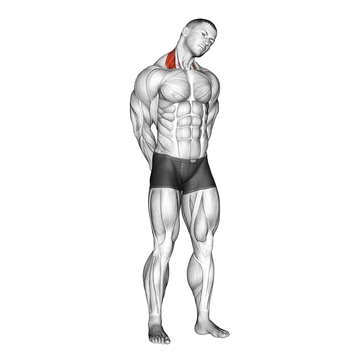
Neck Side Stretch
Strengthens front neck muscles.
Neck Side Stretch
Strengthens rear neck muscles.
Neck Side Stretch
Side neck strength and balance.
Neck Side Stretch
Rotational strength through range of motion.
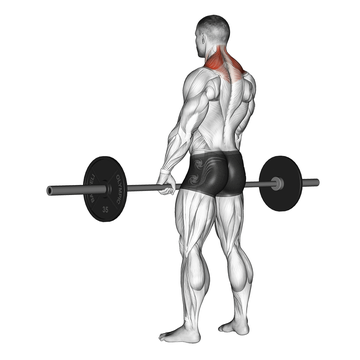
Barbell Shrug
Upper traps support neck function.
Neck Side Stretch
Safe static strength building.
The Complete 2-3 days Program
Follow this program consistently for best results. Start with weights that feel manageable and aim to increase gradually each week as you get stronger.
Want a program built for you?
Osteo Strength creates a personalized program based on your equipment, limitations, and bone health goals.
Create Your Program30 secSafe Neck Training
- Start with isometrics and bodyweight before adding resistance.
- Progress slowly—the neck is a sensitive area.
- Never use jerky movements or heavy weight.
- Stop immediately if you feel pain, tingling, or dizziness.
- Train all directions for balanced development.
- Consistency with light resistance beats occasional heavy work.
Frequently Asked Questions
Is neck training safe?
Yes, when done properly with appropriate progression. Start with isometrics and light resistance. Avoid heavy weights and jerky movements.
How often should I train neck?
2-3 times per week is usually optimal. The neck recovers well but doesn't need daily training.
Will neck training help my posture?
Yes, strengthening neck muscles helps maintain proper head position. Combine with upper back work for best results.
Do I need a neck harness?
No—manual resistance, bands, and isometrics work well. Harnesses allow more loading but aren't essential.
Can neck training prevent concussions?
Research shows stronger necks correlate with fewer concussions. The neck absorbs force that would otherwise transfer to the brain.
Get a Free Personalized Program
Every body is different. Osteo Strength will build a strength program tailored to your exact needs: