Leg Workouts for Men
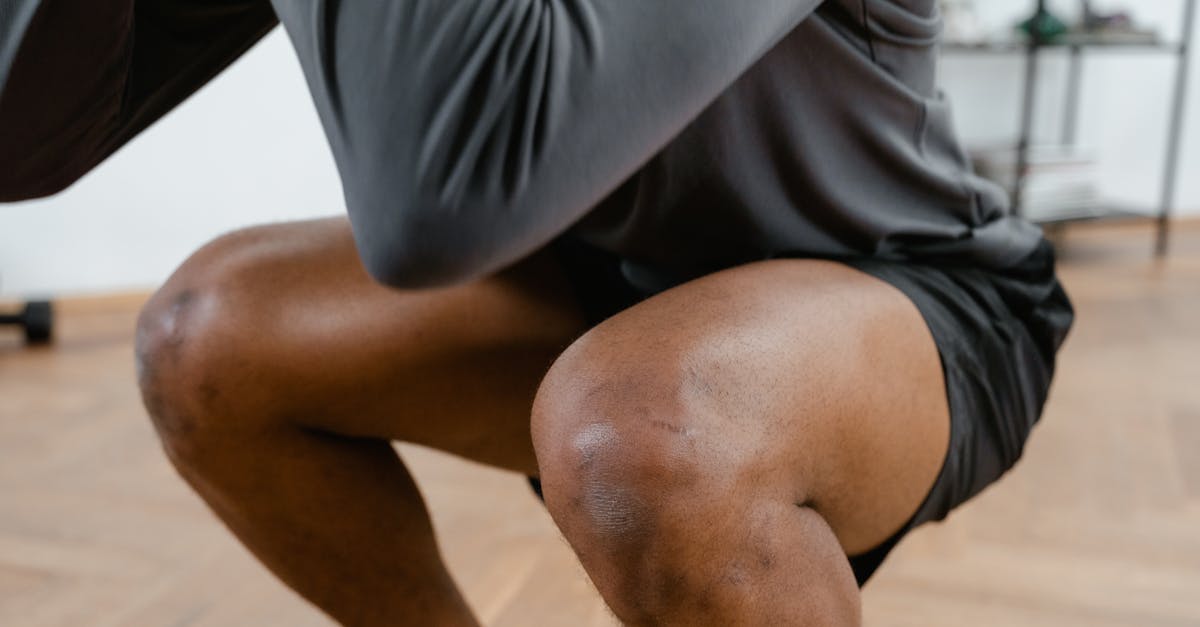
There's no hiding weak legs. They show in shorts, on the beach, and in every athletic endeavor. Strong legs are the foundation of total body strength—your squat and deadlift numbers drive overall development more than any other lifts. This program builds the quads, hamstrings, glutes, and calves that create a powerful lower body to match your upper body development.
Building Complete Leg Development
The legs contain your body's largest muscles. Quads dominate the front, hamstrings and glutes power the back, and calves complete the picture. Complete development requires attention to all of them—not just squats.
Heavy compound movements drive leg growth. The squat is king, but deadlifts, lunges, and leg presses all contribute. You need mechanical tension from heavy loads and metabolic stress from volume.
Many men neglect hamstrings and calves while hammering quads. This creates imbalances that limit performance and look unfinished. This program ensures balanced front-to-back development.
Benefits of Leg Training
Proportional Physique
A developed upper body on chicken legs looks absurd. Match your foundation to your frame.
Total Body Strength
Leg strength drives overall strength. Bigger squat = bigger everything.
Hormonal Benefits
Heavy leg training triggers testosterone and growth hormone release.
Athletic Power
Running, jumping, and sports performance start with leg strength.
Metabolism
Legs contain huge muscles. Building them burns significant calories.
Injury Prevention
Strong legs protect knees, hips, and lower back.
Program Overview
Who it's for: Men seeking complete lower body development
Want a program built for you?
Osteo Strength creates a personalized program based on your equipment, limitations, and bone health goals.
Create Your Program30 secWhy These Exercises?
Each exercise in this program was selected for a specific reason. Here's why:
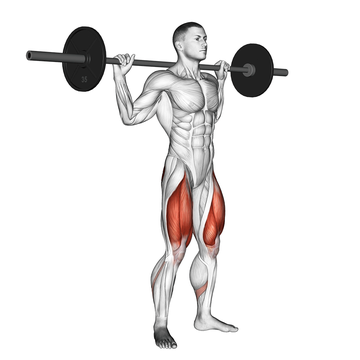
Barbell Full Squat
The king of leg exercises. Total quad and glute development.
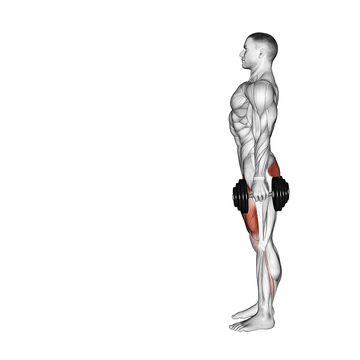
Barbell Romanian Deadlift
Hamstring and glute builder. Balances quad-dominant squats.
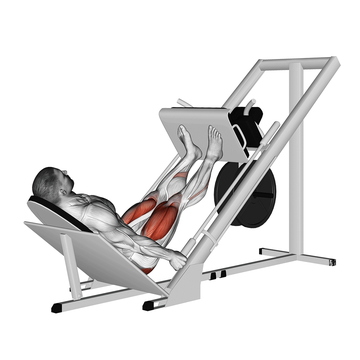
Sled 45° Leg Press
High-volume quad work after squats. Safe heavy loading.
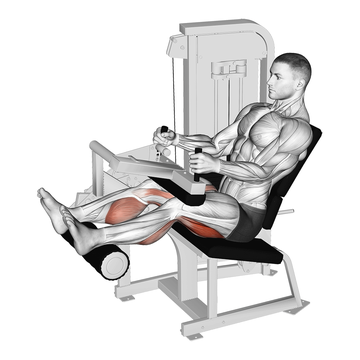
Lever Seated Leg Curl
Direct hamstring isolation for complete posterior development.
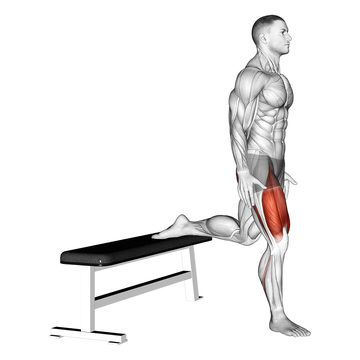
Dumbbell Lunge
Single-leg work for balance and stability.
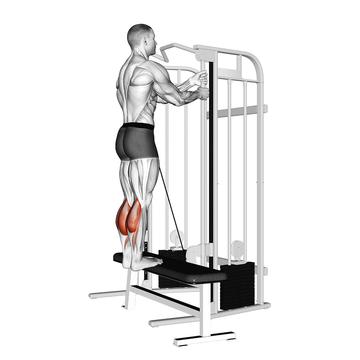
Cable Standing Calf Raise
Direct calf work. Calves need high volume to grow.
The Complete 2 days Program
Follow this program consistently for best results. Start with weights that feel manageable and aim to increase gradually each week as you get stronger.
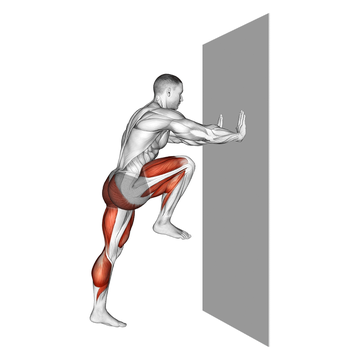
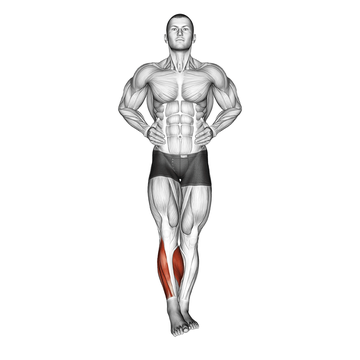
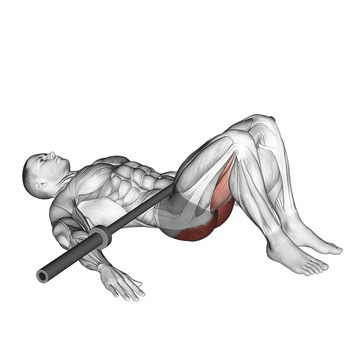
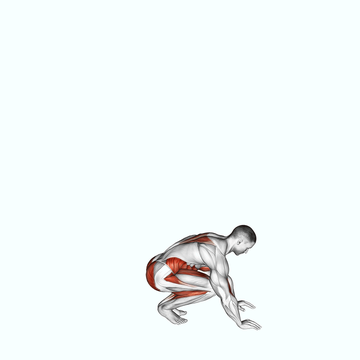
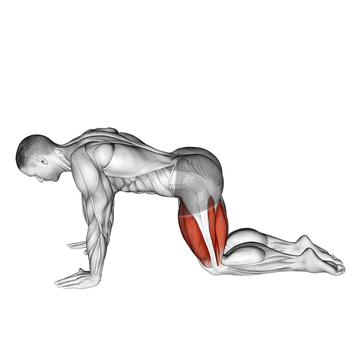
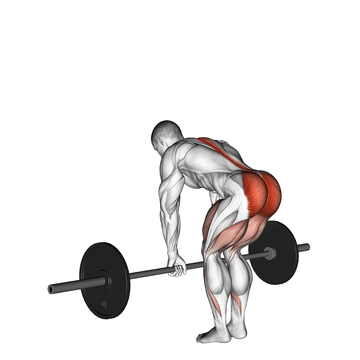
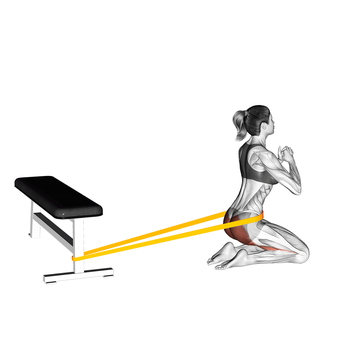
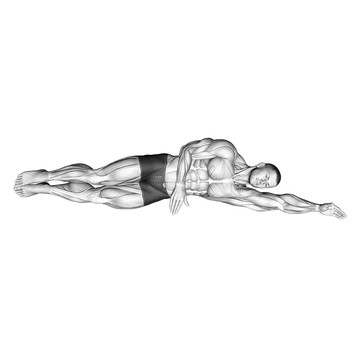
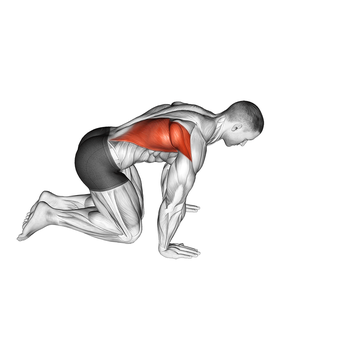
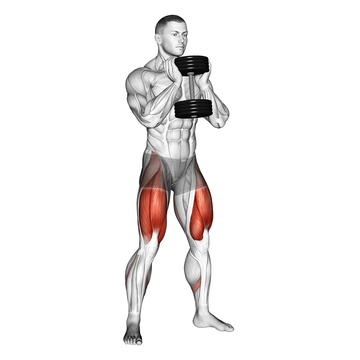
Want a program built for you?
Osteo Strength creates a personalized program based on your equipment, limitations, and bone health goals.
Create Your Program30 secBuilding Powerful Legs
- Squat deep. Hip crease below knees for complete quad and glute development.
- Don't neglect hamstrings. They're often the weak link in lower body development.
- Train calves directly and frequently. They're stubborn muscles that need volume.
- Rest adequately between leg days. Heavy leg training is demanding.
- Progress systematically. Add weight or reps each week.
- Eat enough to support leg growth. Leg training requires significant recovery resources.
Frequently Asked Questions
How often should I train legs?
Twice per week with 72+ hours between sessions. Heavy leg training takes longer to recover from than upper body work.
Why are my quads sore but not my glutes?
You might be quad-dominant in your squat pattern. Focus on sitting back, pushing through heels, and squeezing glutes at the top.
Should I do squats and deadlifts on the same day?
You can, but it's demanding. Many people separate them—squats one leg day, deadlifts the other, or deadlifts on back day.
How do I grow stubborn calves?
Volume and frequency. Calves recover fast and need more work than most muscles. Train them 3-4x per week with high reps.
When will I see leg gains?
Strength improvements come in 2-4 weeks. Visible size typically requires 8-12 weeks of progressive training.
Get a Free Personalized Program
Every body is different. Osteo Strength will build a strength program tailored to your exact needs: