The HiRIT Protocol for Osteoporosis: Heavy Lifting for Stronger Bones
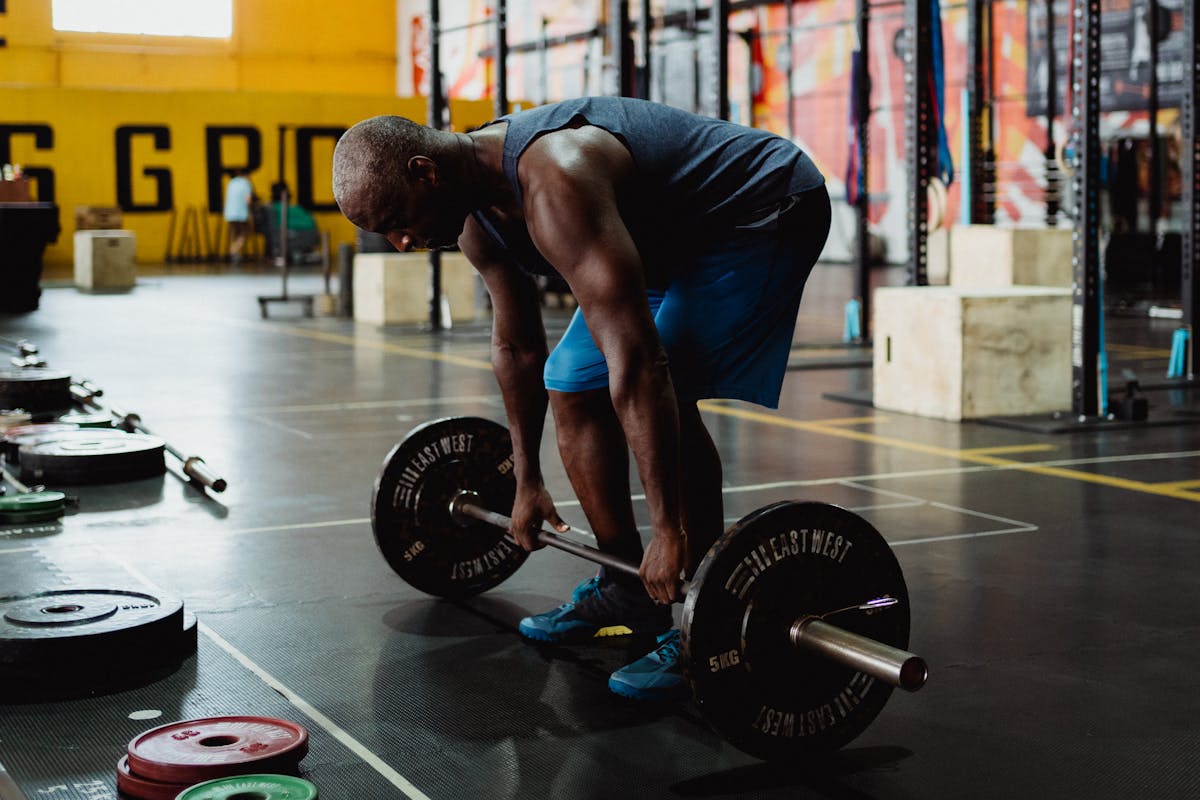
The LIFTMOR trial changed everything we thought we knew about exercise and osteoporosis. Instead of gentle stretching and light weights, researchers prescribed heavy deadlifts, squats, and overhead presses at 80-85% of maximum capacity — and bone density improved significantly in just 8 months. This is the High-Intensity Resistance and Impact Training (HiRIT) protocol, and it is the most evidence-backed exercise approach for building bone density available today.
Why Heavy Lifting Builds Bone
Bone is living tissue that adapts to the loads placed on it — a principle known as Wolff's Law. When you lift heavy weights, the mechanical strain on bone triggers osteoblasts (bone-building cells) to lay down new bone tissue. The critical insight from the LIFTMOR study is that this stimulus must be high-intensity to be effective. Light weights and gentle exercise simply do not generate enough mechanical strain to trigger meaningful bone adaptation.
The HiRIT protocol targets the three sites most vulnerable to osteoporotic fracture: the lumbar spine, the femoral neck (hip), and the wrist. The "Big 5" compound lifts — deadlift, squat, overhead press, and their variations — load these areas under heavy resistance. Impact loading through heel drops and jumping chin-ups adds an additional osteogenic stimulus that pure strength training alone cannot provide.
Perhaps most importantly, the LIFTMOR trial demonstrated that this approach is safe even for postmenopausal women with low bone density. Under proper supervision, not a single adverse event was reported. The "be gentle" approach to osteoporosis exercise is not just suboptimal — it may be letting your bones weaken when they could be getting stronger.
Benefits of the HiRIT Protocol
Clinically Proven Bone Gains
The LIFTMOR trial showed significant improvements in lumbar spine and femoral neck bone density after 8 months of HiRIT training.
Targets Fracture-Prone Sites
Every exercise is chosen to load the spine, hips, or wrists — the three areas most at risk for osteoporotic fracture.
Builds Functional Strength
Heavy compound lifts improve the muscle strength and coordination needed to prevent falls in daily life.
Time Efficient
Just two 30-40 minute sessions per week deliver meaningful bone-building stimulus — no daily gym habit required.
Improves Posture and Balance
Deadlifts and squats strengthen the posterior chain, counteracting the rounded-shoulder posture common in osteoporosis.
Safe Under Guidance
The LIFTMOR protocol recorded zero fractures or injuries, proving that supervised heavy lifting is safe for people with low bone density.
Program Overview
Who it's for: Adults with osteopenia or osteoporosis seeking evidence-based bone-building exercise, with doctor clearance for heavy lifting
Want a program built for you?
Osteo Strength creates a personalized program based on your equipment, limitations, and bone health goals.
Create Your Program30 secWhy These Exercises?
Each exercise in this program was selected for a specific reason. Here's why:
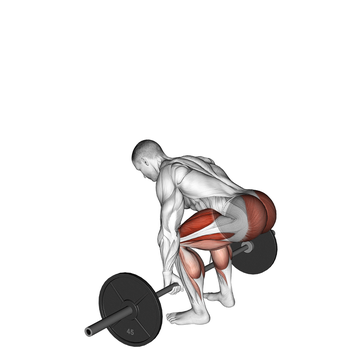
Barbell Deadlift
The cornerstone of the HiRIT protocol — loads the entire posterior chain, spine, and hips under heavy resistance.
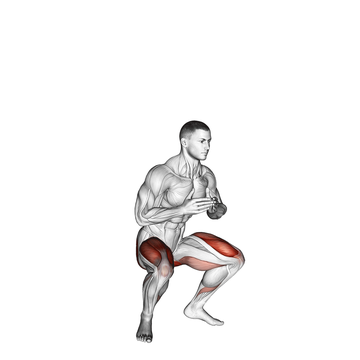
Barbell Full Squat
Heavy squats apply compressive force through the spine and femoral neck, directly stimulating bone growth at fracture-prone sites.
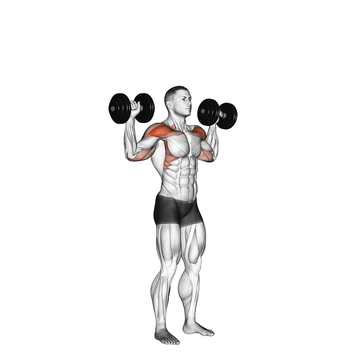
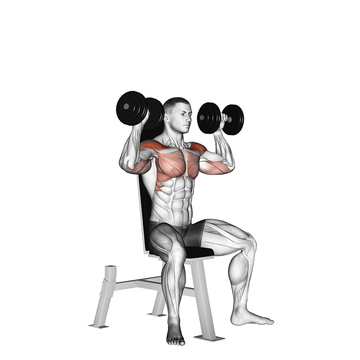
Dumbbell Standing Overhead Press
Vertical pressing loads the spine axially and strengthens the shoulders and wrists.
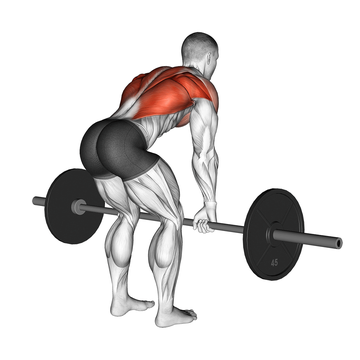
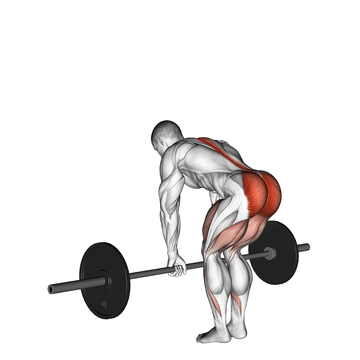
Barbell Bent Over Row
Heavy rowing loads the spine horizontally and builds the upper back strength needed for upright posture.
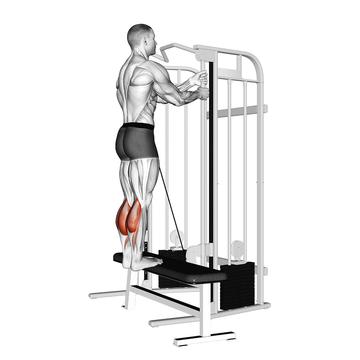
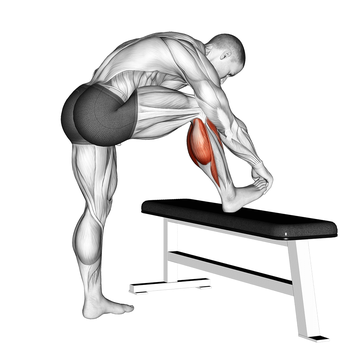
Cable Standing Calf Raise
Heel drops and calf raises create impact loading through the lower limbs, stimulating bone at the hip and tibia.
Dumbbell Lunge
Unilateral leg work that loads the femoral neck while building balance for fall prevention.
The Complete 2 days Program
Follow this program consistently for best results. Start with weights that feel manageable and aim to increase gradually each week as you get stronger.
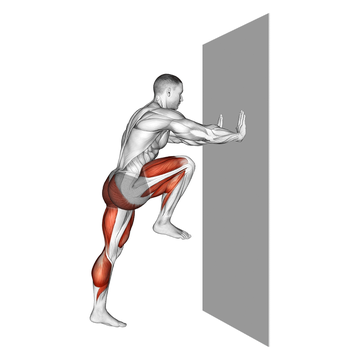
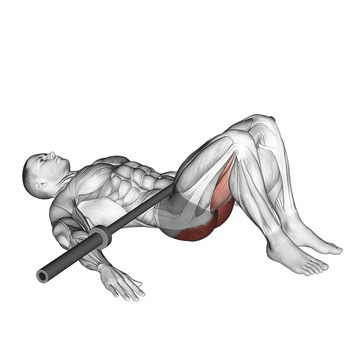
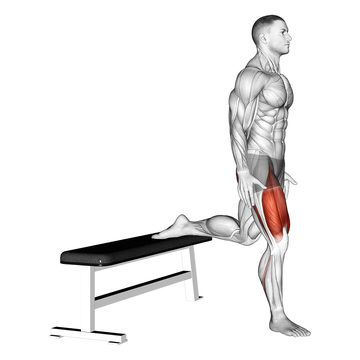
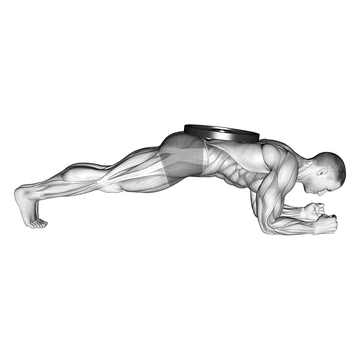
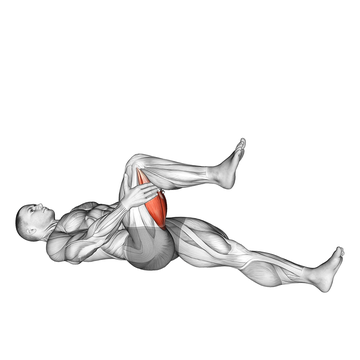
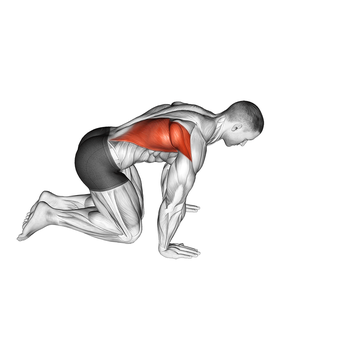
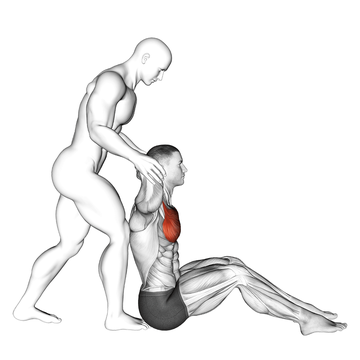
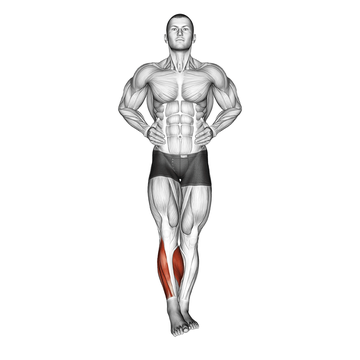
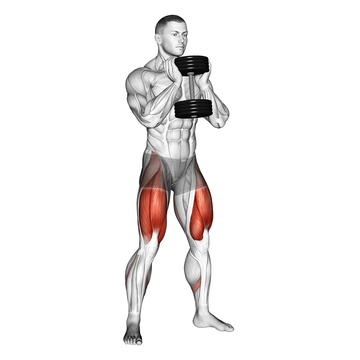
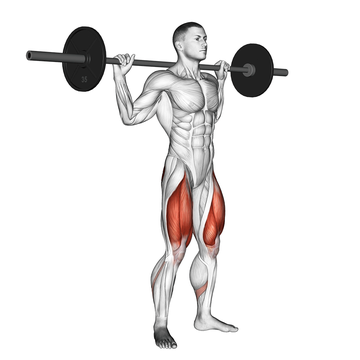
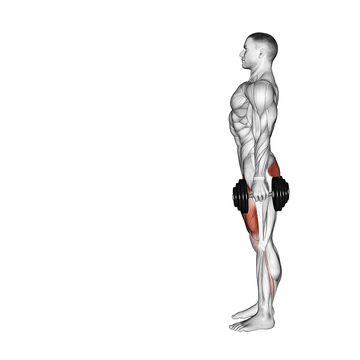
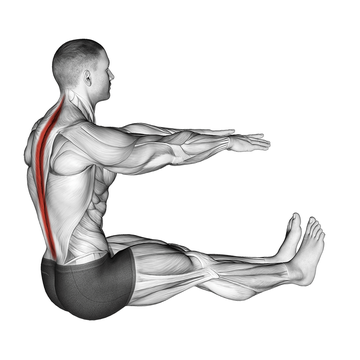
Want a program built for you?
Osteo Strength creates a personalized program based on your equipment, limitations, and bone health goals.
Create Your Program30 secGetting Started with HiRIT
- Get medical clearance from your doctor before starting, especially if you have diagnosed osteoporosis or a history of fractures.
- Work with a qualified strength coach for at least the first 4-6 weeks to learn proper form on deadlifts and squats.
- Start at 60-70% of your estimated 1RM and progress to 80-85% over 8-12 weeks as your form solidifies.
- Never sacrifice form for weight — the bone-building stimulus requires proper loading patterns, not just heavy weight.
- Allow at least 48 hours between sessions for bone and muscle recovery.
- Supplement with adequate calcium (1000-1200mg daily) and vitamin D (1000-2000 IU) to support the bone-building process.
Frequently Asked Questions
Is heavy lifting safe with osteoporosis?
Yes, when done correctly. The LIFTMOR trial — the gold standard study on HiRIT — reported zero fractures or injuries in postmenopausal women with low bone density. The key is proper form, supervised progression, and medical clearance before starting.
What is the difference between HiRIT and regular strength training?
HiRIT specifically refers to training at 80-85% of your one-rep max with compound lifts that load fracture-prone bones. Regular strength training programs often use lighter loads (60-70% 1RM) and may not specifically target the spine, hips, and wrists.
How long before I see results on a DEXA scan?
The LIFTMOR trial showed measurable bone density improvements after 8 months. Bone remodeling is a slow process — expect to train consistently for at least 6-12 months before your next DEXA scan shows changes.
Can I do HiRIT at home or do I need a gym?
You need access to a barbell, squat rack, and enough weight plates to load to 80-85% of your max. Most people will need a gym or well-equipped home gym. Dumbbells alone are insufficient for the heavy loading this protocol requires.
Why are gentle exercises not enough for bone density?
Bone adapts to forces that exceed what it normally experiences. Walking, yoga, and light weights do not create enough mechanical strain to trigger new bone formation. Research consistently shows that only high-intensity loading produces meaningful bone density improvements.
Get a Free Personalized Program
Every body is different. Osteo Strength will build a strength program tailored to your exact needs: