HIIT Workouts for Weight Loss

HIIT (High-Intensity Interval Training) is one of the most efficient fat-burning methods available. While steady-state cardio burns calories during exercise, HIIT triggers powerful metabolic responses that keep your body burning fat for hours afterward. This program combines intense work intervals with strategic recovery to maximize fat loss while preserving the muscle that keeps your metabolism elevated.
Why HIIT Accelerates Fat Loss
The afterburn effect (EPOC) is HIIT's secret weapon. Intense intervals create an oxygen debt that your body repays for hours after your workout, burning calories long after you've stopped exercising. Studies show HIIT can elevate metabolism for up to 24-48 hours post-workout.
HIIT is also time-efficient. Twenty minutes of well-designed HIIT can burn more calories and create more metabolic impact than an hour of moderate cardio. For people short on time, this efficiency is transformative.
Unlike traditional cardio, HIIT helps preserve muscle mass during fat loss. The intensity signals your body to maintain muscle while burning fat for fuel—exactly what you want when losing weight. Less muscle loss means higher metabolism.
Benefits of HIIT for Weight Loss
Extended Fat Burning
The afterburn effect keeps your metabolism elevated for hours after training.
Time Efficient
20-30 minutes of HIIT produces results that would take twice as long with steady cardio.
Muscle Preservation
High intensity signals your body to keep muscle while burning fat.
Improved Insulin Sensitivity
HIIT improves how your body handles blood sugar, reducing fat storage.
Cardiovascular Fitness
HIIT improves VO2 max faster than traditional cardio.
No Equipment Needed
Effective HIIT can be done anywhere with bodyweight exercises.
Program Overview
Who it's for: Anyone looking to maximize fat burning in minimal time
Want a program built for you?
Osteo Strength creates a personalized program based on your equipment, limitations, and bone health goals.
Create Your Program30 secWhy These Exercises?
Each exercise in this program was selected for a specific reason. Here's why:
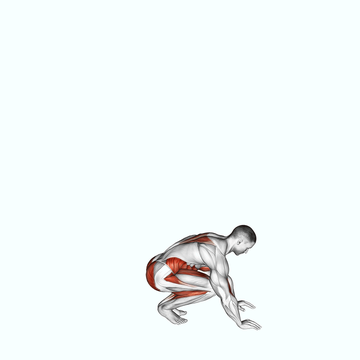
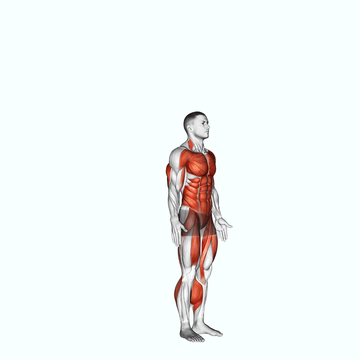
Burpee
The ultimate HIIT exercise—full body, high calorie burn, requires no equipment.
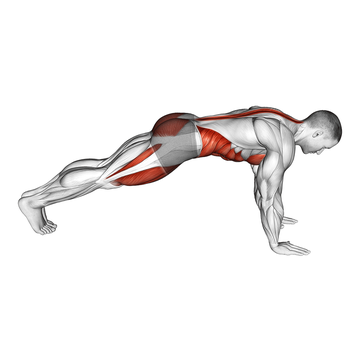
Mountain Climber
Combines cardio intensity with core engagement. Easy to sustain during work intervals.
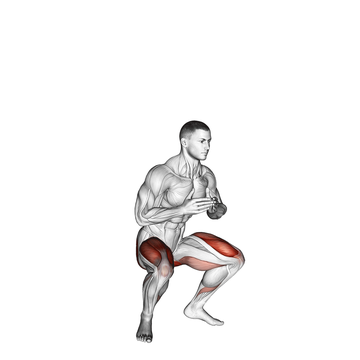
Jump Squat
Lower body power with high calorie expenditure. Builds legs while burning fat.
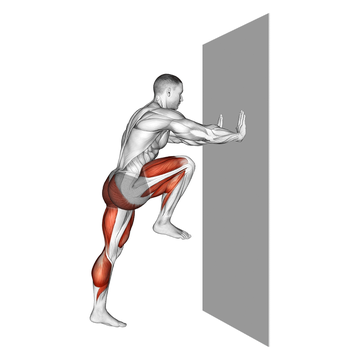
High Knee Against Wall
Pure cardio movement that elevates heart rate quickly with low injury risk.
Kettlebell Swing
Combines strength and cardio for maximum metabolic effect.
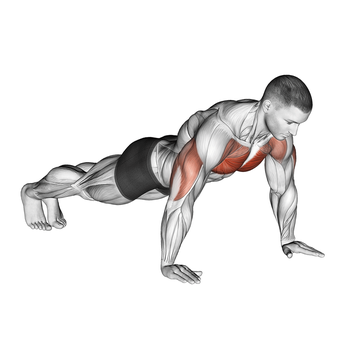
Push-up
Upper body strength within HIIT format. Maintains muscle during fat loss.
The Complete 3 days (never more than 4) Program
Follow this program consistently for best results. Start with weights that feel manageable and aim to increase gradually each week as you get stronger.
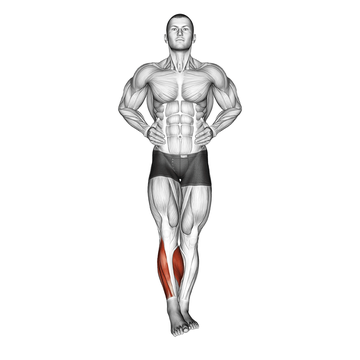
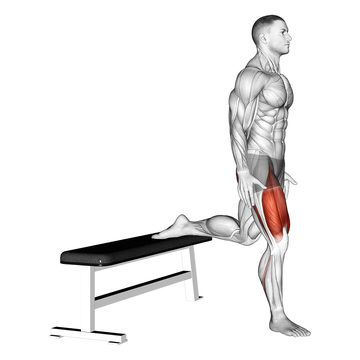
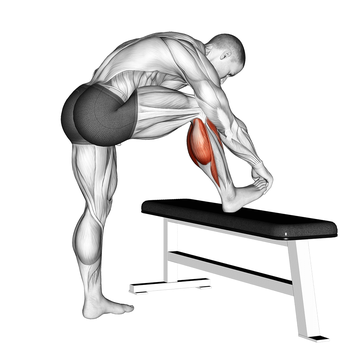
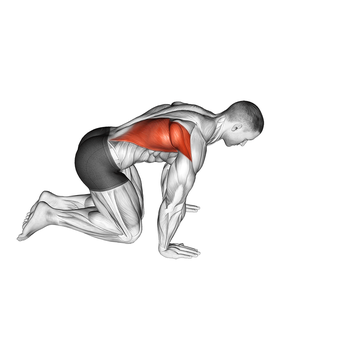
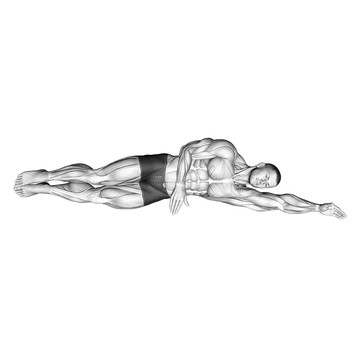
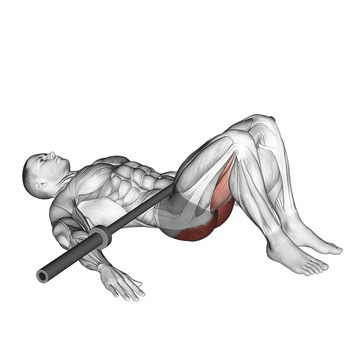
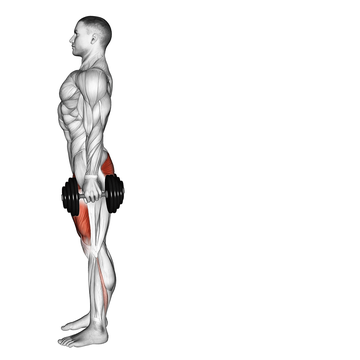
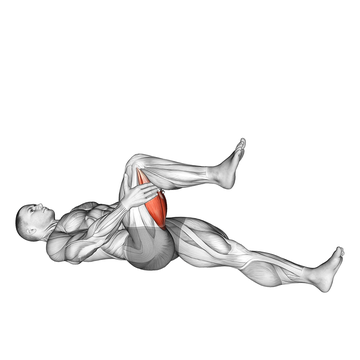
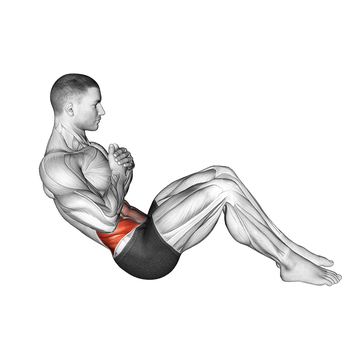
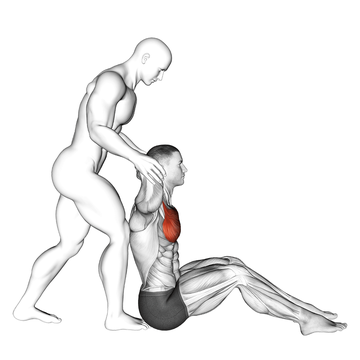
Want a program built for you?
Osteo Strength creates a personalized program based on your equipment, limitations, and bone health goals.
Create Your Program30 secMaximizing HIIT Fat Loss
- Start with longer rest periods. You can always shorten them as fitness improves.
- During work intervals, push to 80-90% effort—you should be breathing hard.
- Never do HIIT on consecutive days. Allow 48 hours minimum between sessions.
- Combine HIIT with moderate caloric deficit (300-500 calories) for best results.
- Maintain strength training alongside HIIT to preserve muscle mass.
- If you feel dizzy or nauseous, you've pushed too hard. Scale back intensity.
Frequently Asked Questions
How often should I do HIIT?
3 days per week maximum. HIIT is demanding and requires recovery. More isn't better—overtraining leads to burnout and injury. On other days, do light activity or strength training.
Is HIIT better than regular cardio for fat loss?
For time efficiency, yes. HIIT burns more calories per minute and creates longer afterburn. But both work—HIIT is just faster. The best cardio is the one you'll actually do.
Should I do HIIT or strength training?
Both. Strength training builds muscle that elevates metabolism; HIIT burns calories and creates metabolic adaptations. The combination is more effective than either alone.
How hard should I push during work intervals?
About 80-90% of maximum effort. You should be breathing hard and unable to hold a conversation, but able to maintain form and complete the interval.
When will I see weight loss results?
With proper nutrition, measurable changes often appear within 2-3 weeks. Significant visible changes typically take 4-8 weeks of consistent training and caloric deficit.
Get a Free Personalized Program
Every body is different. Osteo Strength will build a strength program tailored to your exact needs: