Forearm Workout
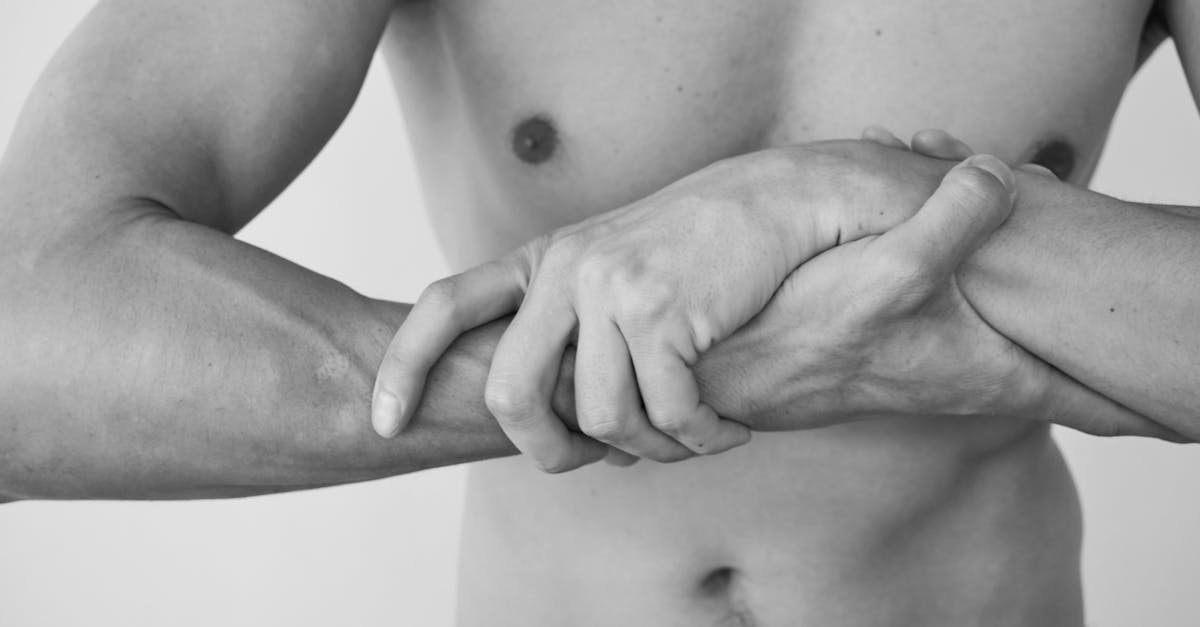
Your forearms and grip are involved in almost every upper body exercise, yet they're often neglected. Weak forearms limit your pulling exercises, affect your deadlift, and reduce overall performance. This program directly targets forearm strength for better grip and more complete arm development.
Why Train Forearms
Grip strength is often the limiting factor in pulling exercises. Your back might have more to give on rows and deadlifts, but weak forearms give out first. Direct forearm training fixes this.
Forearms are visible muscles that contribute to arm aesthetics. Complete arm development includes biceps, triceps, and forearms.
Strong forearms protect against elbow pain and injury. Many cases of "tennis elbow" and similar issues stem from weak forearm muscles.
Benefits of Forearm Training
Improved Grip
Hold heavier weights on all pulling exercises.
Better Performance
Grip stops limiting your back and bicep work.
Complete Arms
Balanced arm development looks better.
Injury Prevention
Strong forearms protect elbow joints.
Functional Strength
Better grip for daily activities.
Sports Performance
Essential for climbing, baseball, tennis, and more.
Program Overview
Who it's for: Anyone wanting to improve grip strength and forearm size
Want a program built for you?
Osteo Strength creates a personalized program based on your equipment, limitations, and bone health goals.
Create Your Program30 secWhy These Exercises?
Each exercise in this program was selected for a specific reason. Here's why:
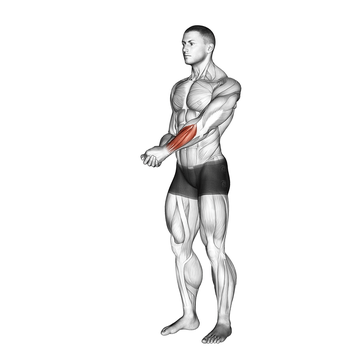
Barbell Wrist Curl
Direct forearm flexor training.
Barbell Reverse Wrist Curl
Forearm extensor development.
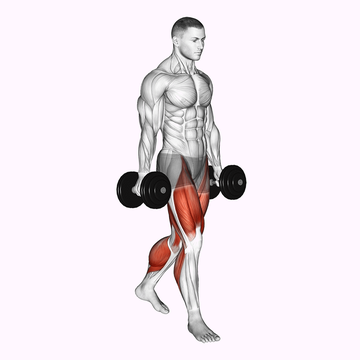
Farmers Walk
Functional grip strength and forearm endurance.
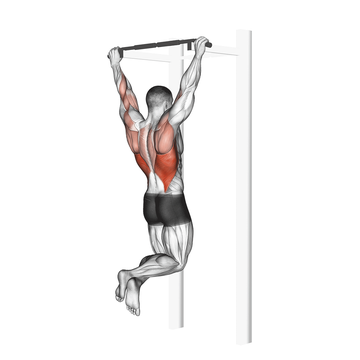
Pull-up
Grip endurance and forearm stamina.
Dumbbell Hammer Curl
Brachioradialis—the prominent forearm muscle.
Barbell Wrist Curl
Pinch grip strength.
The Complete 2-3 days Program
Follow this program consistently for best results. Start with weights that feel manageable and aim to increase gradually each week as you get stronger.
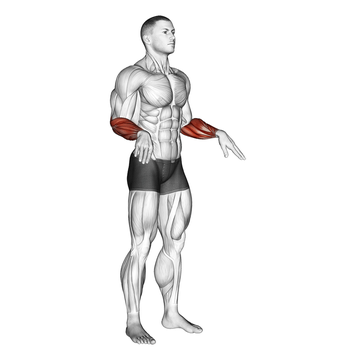
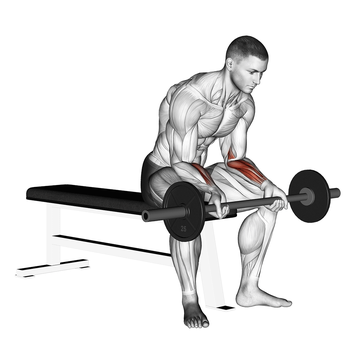
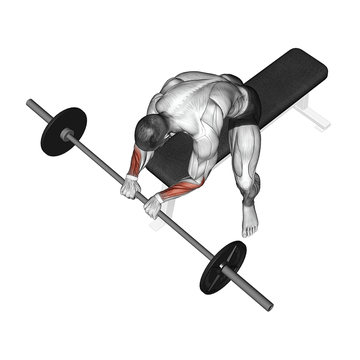

Want a program built for you?
Osteo Strength creates a personalized program based on your equipment, limitations, and bone health goals.
Create Your Program30 secForearm Training Tips
- Train forearms at the end of your workout—fatigued grip affects other exercises.
- Higher reps work well for forearms—aim for 12-20 reps.
- Full range of motion matters—stretch and contract completely.
- Frequency helps—forearms recover quickly and can be trained often.
- Avoid straps on pulling exercises to build grip naturally.
- Be patient—forearms are stubborn but respond to consistent work.
Frequently Asked Questions
Should I use straps?
Avoid straps when possible to build grip naturally. Use them only when grip is limiting heavy deadlifts and you want to continue training back.
How often should I train forearms?
Forearms recover quickly. 2-3 dedicated sessions per week works well, plus indirect work from other exercises.
Will forearm training help my deadlift?
Yes. Stronger grip means you can hold heavier weights. Many people add 10-20% to their grip-limited lifts.
My forearms burn during curls. Is that normal?
Yes—the pump and burn in forearms is intense. Work through it with controlled reps.
Can I train forearms every day?
You could, but 3-4 days per week is usually optimal. Allow some recovery between sessions.
Get a Free Personalized Program
Every body is different. Osteo Strength will build a strength program tailored to your exact needs: