Dumbbell Workout at Home
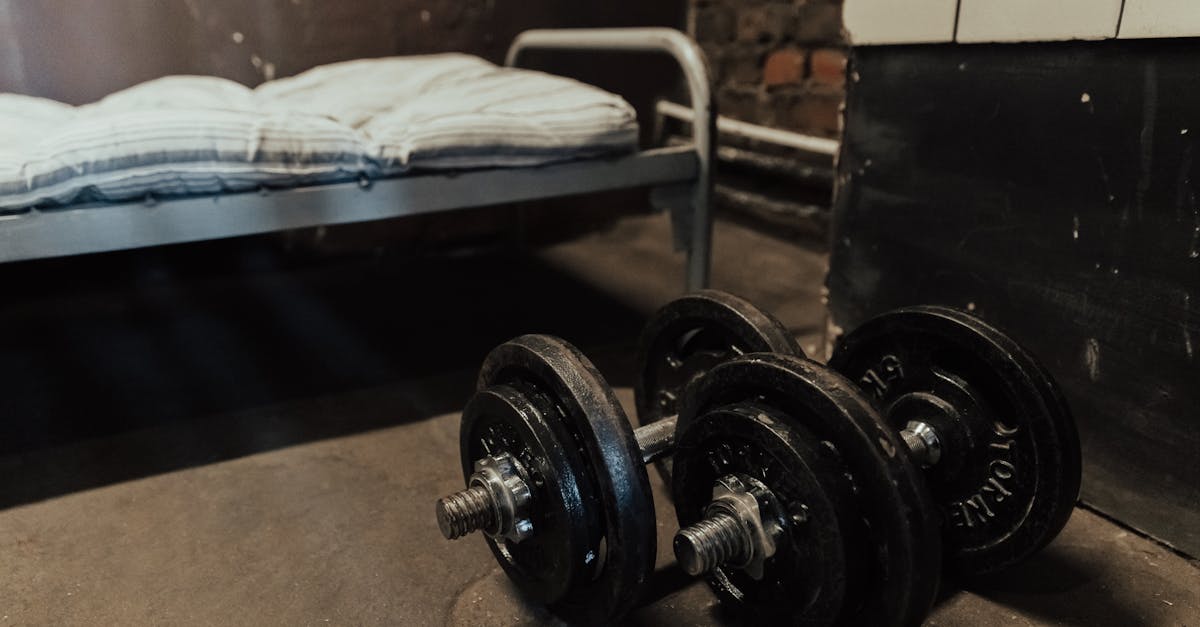
A pair of dumbbells is one of the most versatile pieces of home gym equipment you can own. With just dumbbells and floor space, you can train every muscle group effectively—building strength, muscle, and improving your fitness without ever leaving home. This program maximizes what's possible with dumbbells in a home setting, no bench required (though one helps).
Maximizing Home Dumbbell Training
Dumbbells allow natural movement patterns that machines can't replicate. Your arms move independently, building balanced strength and coordination. The stabilization demands also work smaller muscles that support your joints.
Adjustable dumbbells are ideal for home training—they provide the range of weights you need without taking up space. Fixed dumbbells work too, but you may outgrow light ones quickly and need heavier options.
Without a bench, you can still train effectively. Floor presses replace bench press, goblet squats replace back squats, and standing movements handle most shoulder and arm work. A bench expands options but isn't required.
Benefits of Home Dumbbell Training
Complete Training
Every muscle group can be trained effectively with dumbbells.
Space Efficient
A set of adjustable dumbbells fits anywhere.
Time Saving
No commute, no waiting—start training immediately.
Balanced Development
Unilateral training corrects imbalances naturally.
Joint Friendly
Free movement path is easier on shoulders and wrists.
Scalable
Works for beginners through advanced lifters.
Program Overview
Who it's for: Anyone training at home with dumbbells
Want a program built for you?
Osteo Strength creates a personalized program based on your equipment, limitations, and bone health goals.
Create Your Program30 secWhy These Exercises?
Each exercise in this program was selected for a specific reason. Here's why:
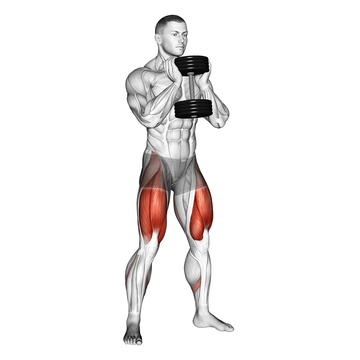
Dumbbell Goblet Squat
The best dumbbell lower body exercise. Challenges legs, core, and upper back.
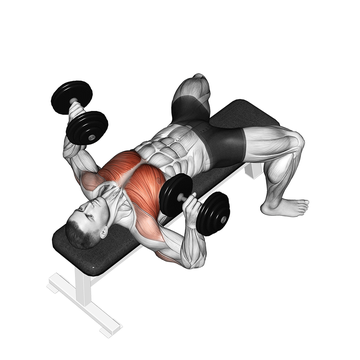
Dumbbell Bench Press
Chest builder. Do on floor if no bench (floor press).
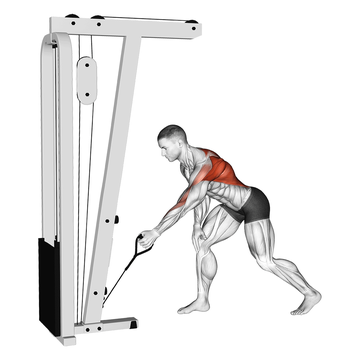
Cable One Arm Bent Over Row
Back strength builder. Use a chair or couch for support.
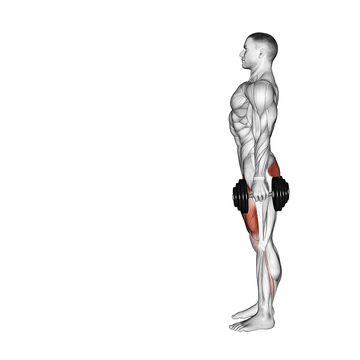
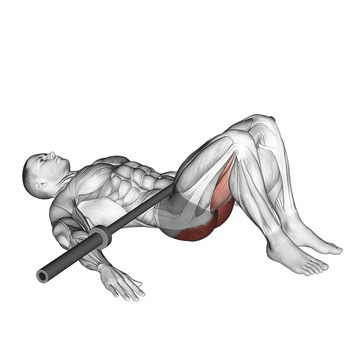
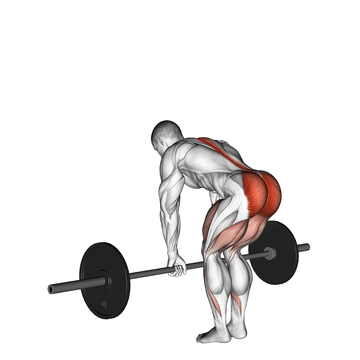
Barbell Romanian Deadlift
Posterior chain development—hamstrings, glutes, lower back.
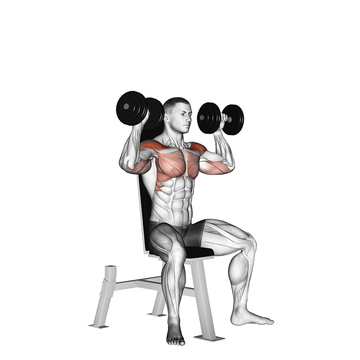
Dumbbell Seated Shoulder Press
Shoulder strength. Sit on floor or chair for back support.
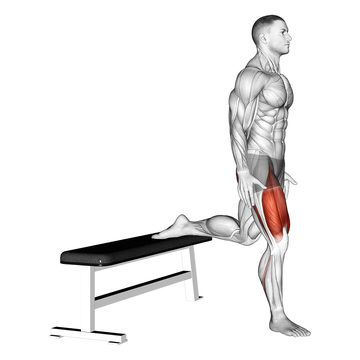
Dumbbell Lunge
Single-leg strength and balance. Multiple variations possible.
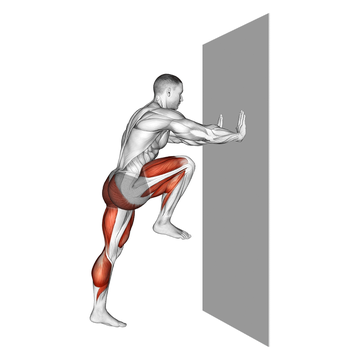
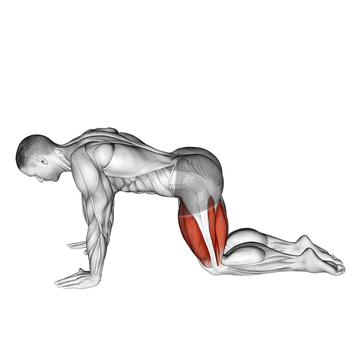
The Complete 3 days Program
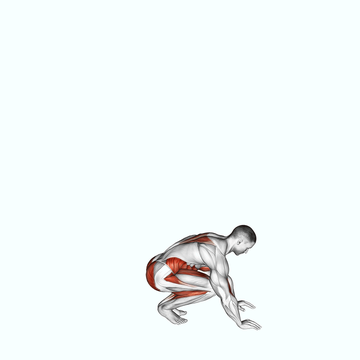
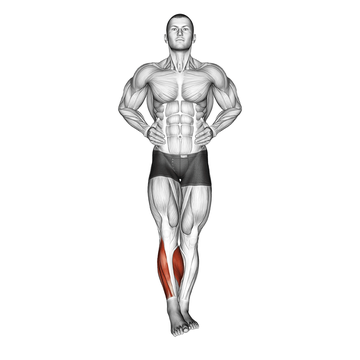
Follow this program consistently for best results. Start with weights that feel manageable and aim to increase gradually each week as you get stronger.
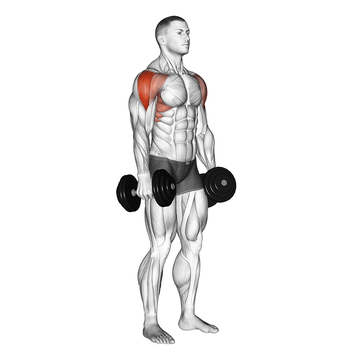
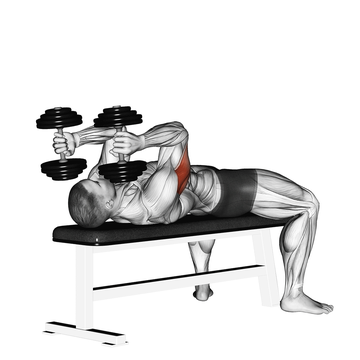
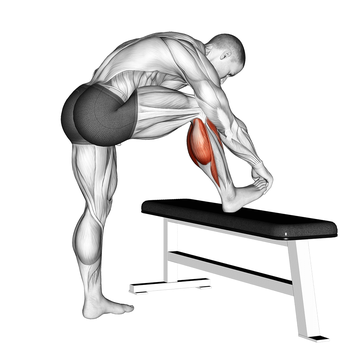
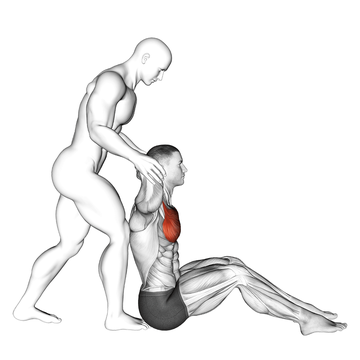
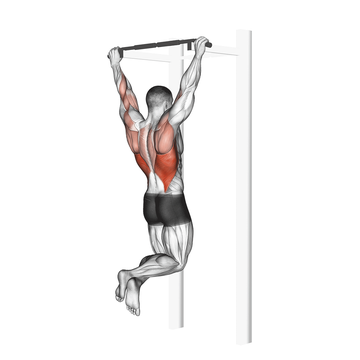
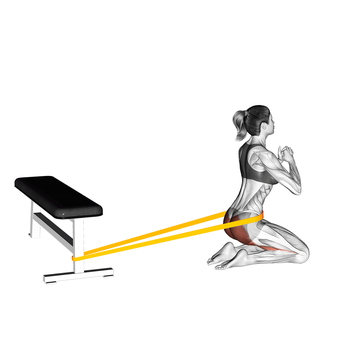
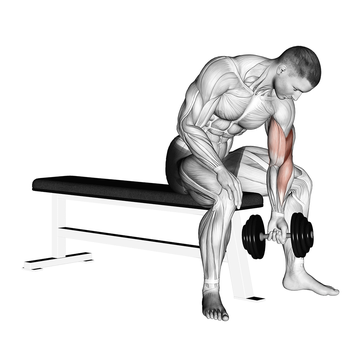
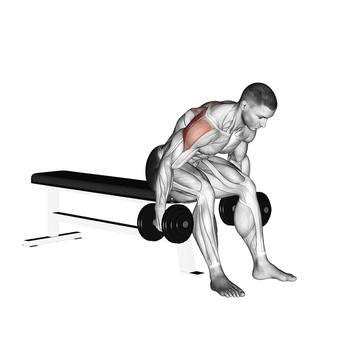
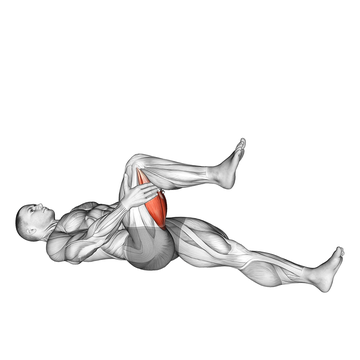
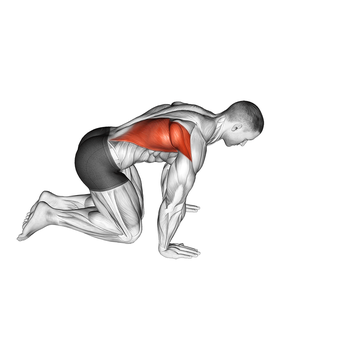
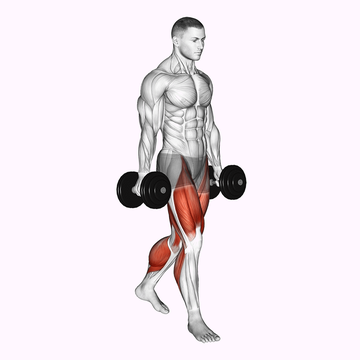
Want a program built for you?
Osteo Strength creates a personalized program based on your equipment, limitations, and bone health goals.
Create Your Program30 secSetting Up Home Dumbbell Training
- Start with weights you can control. You can always progress—you can't undo injuries.
- Create a dedicated training space, even if small. Consistency is easier with routine.
- Invest in adjustable dumbbells if possible—they replace an entire rack.
- A bench is helpful but not required. Floor presses and standing work cover most needs.
- Track your workouts. Progress requires knowing what you did last time.
- Warm up properly. Home training doesn't mean skipping preparation.
Frequently Asked Questions
What weight dumbbells do I need?
For most people, adjustable dumbbells up to 50 lbs each cover the bases. Beginners can start with less; stronger people may need more eventually.
Can I build muscle with dumbbells only?
Absolutely. Dumbbells can build significant muscle. Many bodybuilders use dumbbell work as their primary training.
Do I need a bench?
Helpful but not required. Floor presses, standing work, and using a sturdy chair cover most needs.
How do I train legs with light dumbbells?
Single-leg exercises (lunges, split squats, single-leg RDLs) are challenging even with light weight. Slow tempo and pauses also increase difficulty.
Is this as good as gym training?
For most goals, yes. A full gym offers more variety, but dumbbells provide everything needed for strength and muscle building.
Get a Free Personalized Program
Every body is different. Osteo Strength will build a strength program tailored to your exact needs: