Core Workouts for Beginners
A strong core is the foundation of all movement, but most beginners approach core training wrong—doing hundreds of crunches that strain the neck while missing the muscles that actually matter. True core strength means training your entire midsection: front, sides, and back. This program teaches you the fundamentals of effective core training with exercises that build real strength and stability.
Understanding Core Training
Your core isn't just your abs—it's the entire cylinder of muscles that stabilize your spine. This includes the rectus abdominis (six-pack muscles), obliques (sides), transverse abdominis (deep stabilizer), and erector spinae (lower back). Effective core training works all of them.
The core's primary job isn't creating movement—it's preventing it. Your core stabilizes your spine against forces that would bend, twist, or compress it. This is why planks and anti-rotation exercises are more functional than crunches.
Quality beats quantity in core training. Ten controlled reps that create real tension are worth more than fifty sloppy ones. Focus on feeling your core working, not counting reps.
Benefits of Core Training
Spinal Protection
A strong core protects your lower back during all activities.
Better Posture
Core strength helps you maintain an upright posture naturally.
Improved Balance
Core stability is the foundation of balance in all movements.
Stronger Lifts
Every major lift requires core stability. A weak core limits progress.
Daily Function
Bending, lifting, twisting—all require core engagement.
Athletic Performance
Power transfer between lower and upper body runs through the core.
Program Overview
Who it's for: Beginners looking to build fundamental core strength
Want a program built for you?
Osteo Strength creates a personalized program based on your equipment, limitations, and bone health goals.
Create Your Program30 secWhy These Exercises?
Each exercise in this program was selected for a specific reason. Here's why:
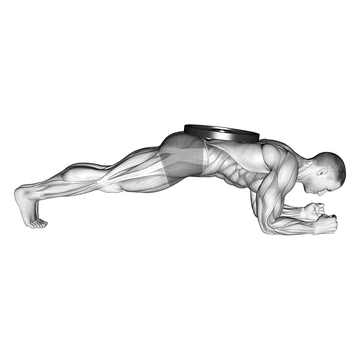
Weighted Front Plank
The foundation of core stability. Teaches total core engagement under tension.
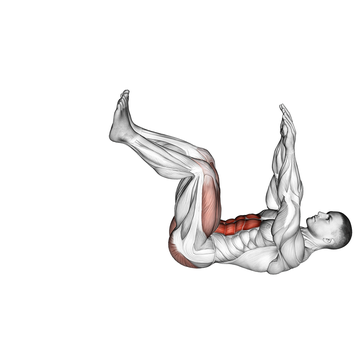
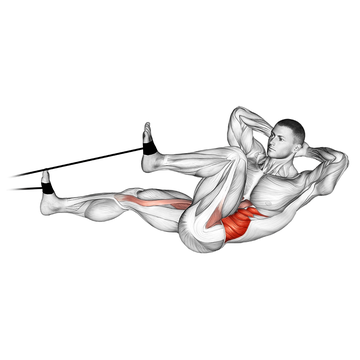
Dead Bug
Trains core stability while moving limbs—essential for real-world function.
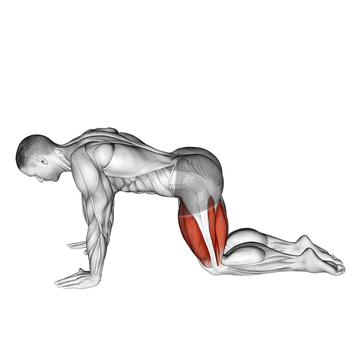
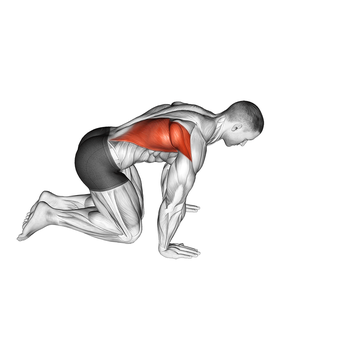
All Fours Squad Stretch
Teaches anti-rotation and trains the often-neglected lower back muscles.
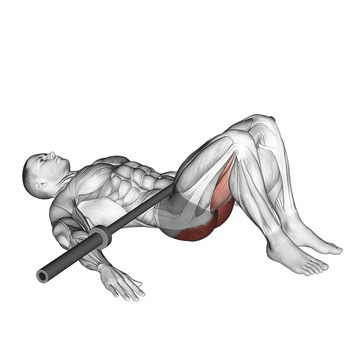
Barbell Glute Bridge
Activates glutes and core together. Essential for posterior chain integration.
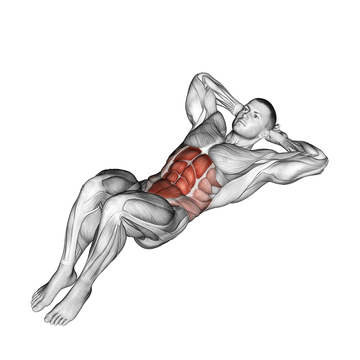
Crunch Floor
Direct ab work when done with control. Not the only exercise, but part of balanced training.
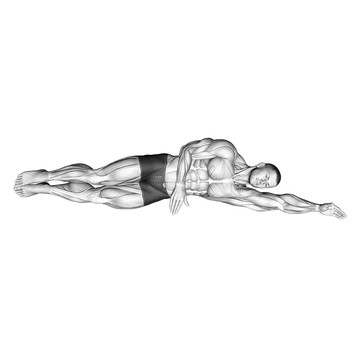
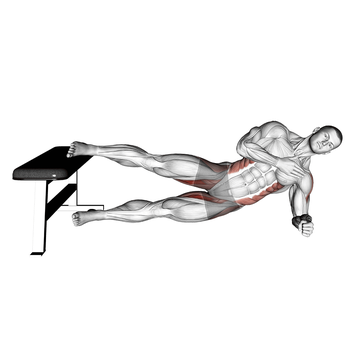
Side Plank Hip Adduction
Oblique and lateral stability. Critical for balanced core development.
The Complete 3 days (can be added to other workouts) Program
Follow this program consistently for best results. Start with weights that feel manageable and aim to increase gradually each week as you get stronger.
Want a program built for you?
Osteo Strength creates a personalized program based on your equipment, limitations, and bone health goals.
Create Your Program30 secStarting Core Training Right
- Master breathing first. Exhale during effort, never hold your breath.
- Quality over quantity. Ten perfect reps beat fifty sloppy ones.
- Start with shorter hold times and build up. A 20-second plank with perfect form beats a shaky 60-second one.
- If your lower back hurts during an exercise, you've lost core engagement. Reset and try again.
- Don't neglect anti-rotation and lower back exercises. They're less glamorous but essential.
- Core training is cumulative—consistency matters more than intensity.
Frequently Asked Questions
How often should I train core?
For beginners, 3 times per week is enough. Core muscles recover relatively quickly, but they still need rest. You can add core work to the end of other workouts.
Will core training give me a six-pack?
Core training builds the muscle, but visible abs require low enough body fat to see them. You need both training and nutrition for visible results.
Why does my lower back hurt during ab exercises?
Your core isn't engaging properly, so your back takes over. Focus on pressing your lower back into the floor during exercises and stop when form breaks.
Are crunches bad for you?
Not when done properly with control. But they shouldn't be your only exercise—they only work part of the core. Include planks, anti-rotation, and back exercises.
How long until I can hold a plank longer?
Progress is individual, but most people add 5-10 seconds per week with consistent practice. Focus on quality—a 30-second perfect plank beats a minute of struggling.
Get a Free Personalized Program
Every body is different. Osteo Strength will build a strength program tailored to your exact needs: